Written By |
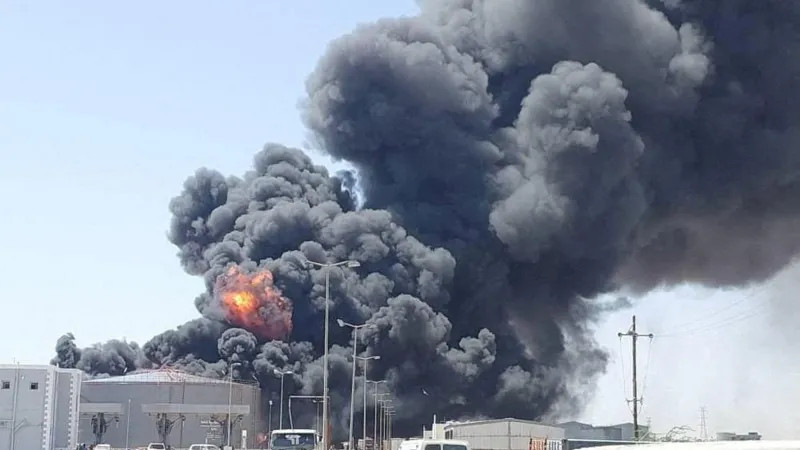
Port Sudan, which was once considered a relatively safe city, has been hit by a series of drone attacks targeting key infrastructure. (Reuters)
Port Sudan – Sudan’s civil war has entered a volatile new phase as the Rapid Support Forces (RSF) launched a series of unprecedented drone strikes on Port Sudan, the de facto wartime capital and humanitarian hub. The attacks mark a shift in battlefield tactics and have raised alarm over the growing use of advanced unmanned aerial technology in the region.
The strikes came just weeks after the Sudanese Armed Forces (SAF) celebrated the recapture of Khartoum. In what analysts describe as a “shock and awe” campaign, the RSF responded with long-range drone bombardments targeting strategic infrastructure hundreds of kilometres from its western strongholds.
“This is a level of power projection within this region that we haven’t seen yet,” said Alan Boswell, Horn of Africa expert at the International Crisis Group. “It raises the stakes quite a bit.”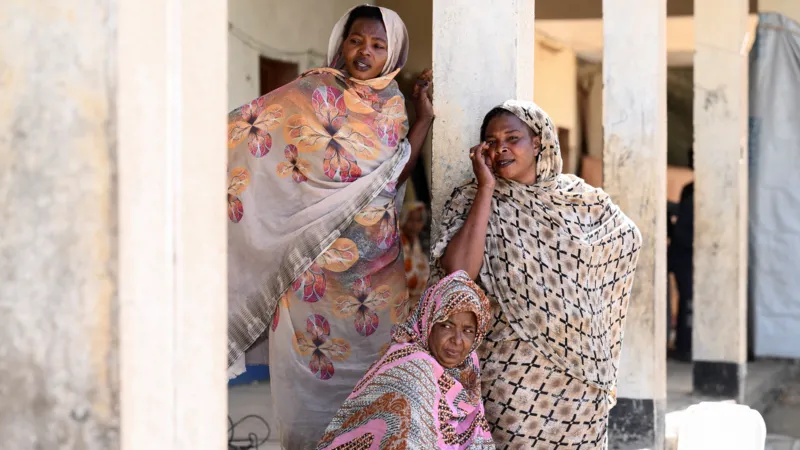
Some people had fled more dangerous parts of the country to seek safety in Port Sudan, like these women who were pictured sheltering at Abdallah Nagi camp. (Reuters)
A New Frontline: Port Sudan
Once considered a safe haven, Port Sudan hosts diplomats, aid workers, and Sudan’s transitional authorities. RSF’s drone campaign has shattered that illusion of safety.
The group struck key targets over the past week, including the city’s only functioning international airport, multiple power stations, fuel depots, and a military air base. The attacks caused widespread blackouts and water shortages, threatening humanitarian operations and disrupting army logistics.
Sudanese analyst Kholood Khair said the RSF is shifting the narrative away from the SAF's recapture of Khartoum. “They are sending a message: ‘You may take cities, but you won’t govern them. We can make them ungovernable.’”
The Rise of Drone Warfare
The RSF’s increasing reliance on drones follows territorial setbacks in Khartoum and central Sudan. Initially deploying loitering "kamikaze" drones, the group now appears to be fielding more advanced UAVs, possibly with foreign assistance.
One such strike on the Red Sea Military Zone reportedly involved a swarm of 11 suicide drones used as a decoy, while a larger drone successfully hit a strategic target. Satellite images analyzed by researchers and defence experts suggest RSF may now be using Chinese-made CH-95 drones, capable of long-range precision strikes.
Jeremy Binnie, an analyst at Jane’s Defence Intelligence, said the newer kamikaze drones appear designed to better evade air defences. “This is part of a broader trend in technological proliferation,” he noted. “What was once high-end military capability is now being used in a sub-Saharan civil war.”
Foreign powers and proxy claims
The SAF has accused the United Arab Emirates (UAE) of supplying the RSF with drones, a claim the UAE strongly denies. Still, a US-funded report authored by Justin Lynch of the Conflict Insights Group found “near certainty” that UAE-based actors have helped funnel weapons to the RSF via sanctioned airlines.
Lynch also confirmed evidence suggesting Iranian and Turkish involvement in arming the SAF, although both countries have either denied the claims or not responded.
“This is a war of technology,” Lynch said. “The RSF isn’t building drones—it’s being supplied with them.”
Regional fallout and humanitarian concerns
The UN has warned that the attacks could severely hamper aid delivery and trigger civilian casualties on a large scale. The Sudanese Foreign Ministry called the strikes a threat to regional security and Red Sea navigation, urging the international community to take “effective action” against those backing the RSF.
Meanwhile, fighting continues in Khartoum, Omdurman, and other parts of the country, where critical civilian infrastructure has increasingly come under attack. On Wednesday, RSF drones struck three power stations in Omdurman, plunging parts of the capital into darkness.
“This offensive has stunned not only SAF, but also Egypt, Saudi Arabia, and others aligned with the army,” Boswell said. “It’s reshaping the war—and narrowing the airpower gap between a state and a non-state actor.”
A war without end?
As Sudan’s conflict enters its third year, hopes for a resolution remain distant. Lynch warned the war could drag on for years unless diplomatic efforts address foreign interference.
“Without a serious agreement between the UAE and the Sudanese army, this war will continue to evolve—and persist,” he said.
Source: BBC



