Written By | International News Desk
Starmer's authority had been eroding for months
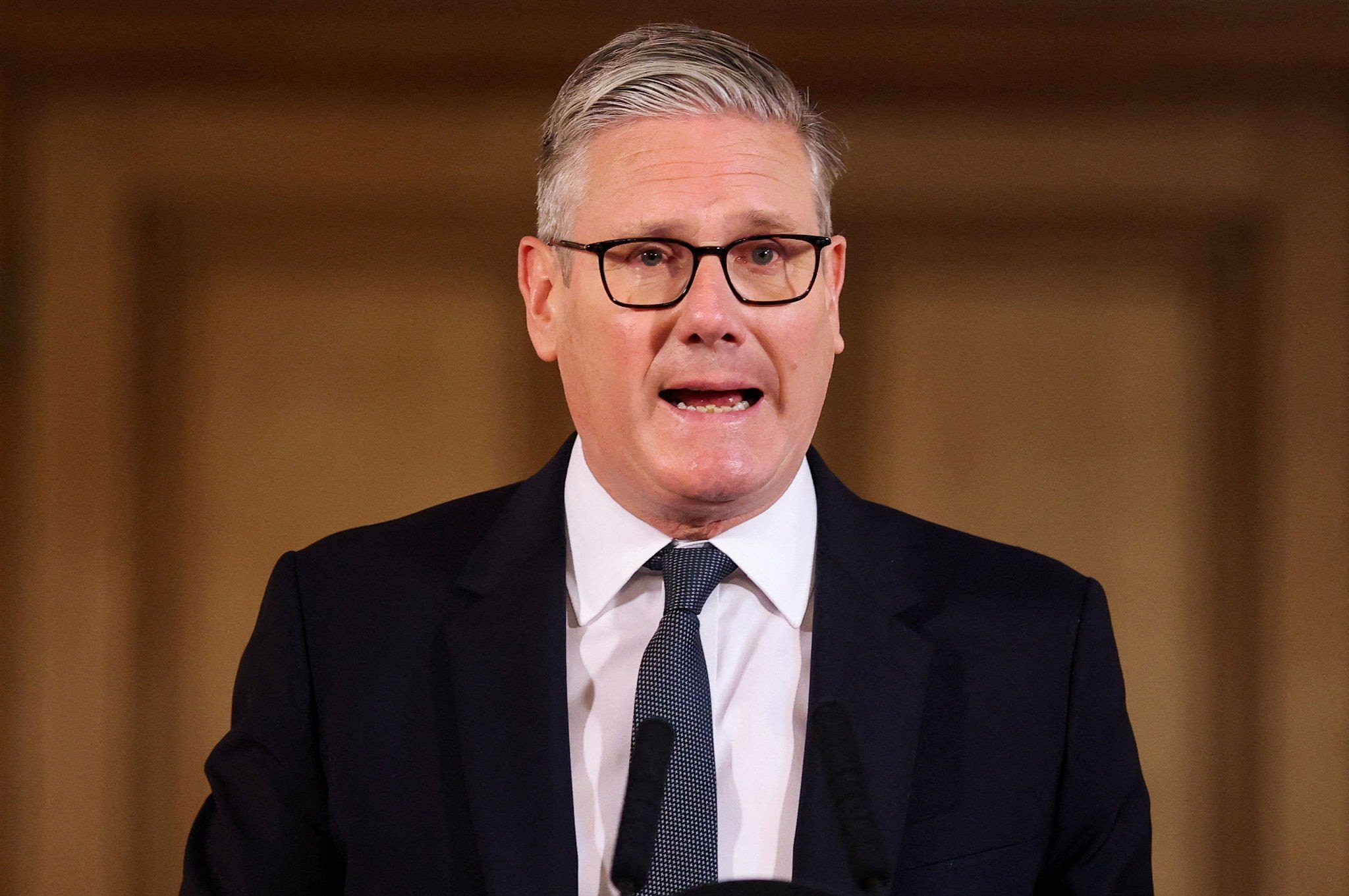
Sir Keir Starmer announced on June 22, 2026, that he would resign as Prime Minister and Labour Party leader, ending a premiership that began with a landslide victory less than two years earlier. His departure sets the stage for Britain to install its seventh prime minister in ten years—a churn rate commentators cite as evidence of deep instability since the 2016 Brexit referendum.
Starmer's authority had been eroding for months. Labour suffered poor local election results in May 2026, crystallizing discontent over the government's policy direction. Health Secretary Wes Streeting resigned on May 14, followed by Defence Secretary John Healey and Armed Forces Minister Al Carns over defence spending disputes—signaling Starmer had lost confidence within his own cabinet.
Into the vacuum stepped Andy Burnham, the popular Mayor of Greater Manchester since 2017 and a long-time Starmer rival. In January 2026, Burnham attempted to stand in the Gorton and Denton by-election but was blocked by the party's NEC in an 8-1 vote. That setback didn't end his ambitions, and as Starmer's position weakened, Burnham's Manchester power base became an obvious asset.
The endgame unfolded quickly. Labour MP Josh Simons resigned his Makerfield seat to clear a path for Burnham to re-enter Parliament. Burnham won the resulting by-election decisively in mid-June, returning to Westminster for the first time in over a decade. Within days, backbenchers openly called for a leadership challenge. Four days after his by-election victory, Starmer resigned.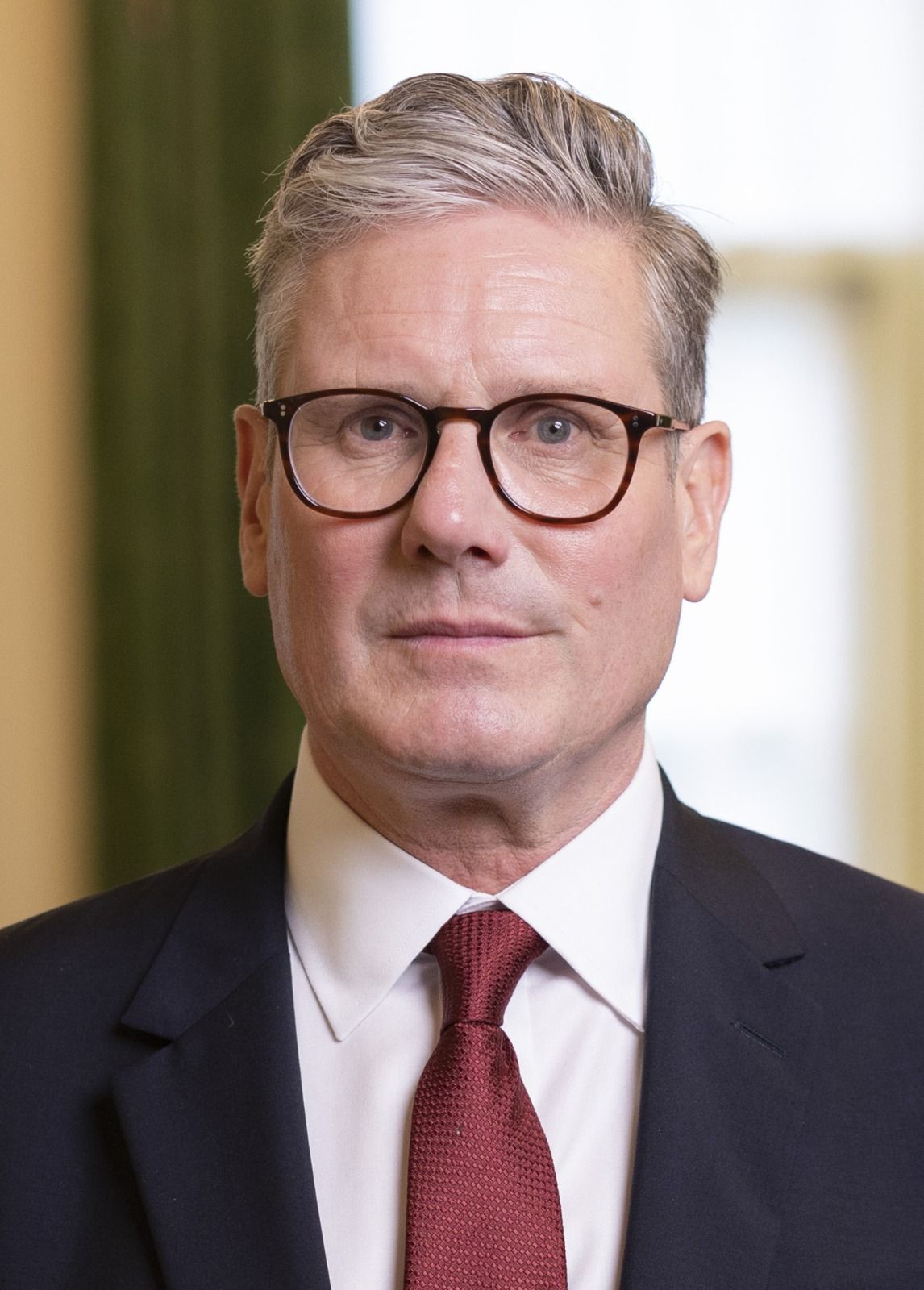
Burnham declared his candidacy immediately and is now the overwhelming favourite, with no other candidates formally entered and substantial parliamentary endorsements already secured. He is expected to be confirmed as Labour leader and installed as Prime Minister by approximately July 17, 2026. His ascent requires Greater Manchester to select a new mayor, reopening the costly by-election the NEC had hoped to avoid.
Reaction within Labour has been relief mixed with apprehension. Many MPs view Burnham as the most electable option against a resurgent Reform UK on the right and the Liberal Democrats and Greens on public services. Critics outside the party have seized on the leadership churn as proof of governing dysfunction.
Burnham has laid out a policy platform to the left of Starmer's: no income tax, VAT, or employee National Insurance rises; "stronger public control" over energy, housing, water, and transport; a 20% business rates cut for pubs; a National Care Service integrating social care into the NHS; and a universal graduate tax to replace upfront tuition fees. He frames his philosophy around the "Makerfield test"—judging policies by tangible benefits for neglected post-industrial communities.
Attention now turns to the leadership contest mechanics, who will succeed Burnham as Mayor of Greater Manchester, and whether he can stabilize a party that has lost a sitting prime minister mid-term and reverse the polling slide that triggered Starmer's downfall. Britain's seventh prime minister in a decade now faces the electorate's deepest question: whether he represents genuine change or just the latest rotation of a political class voters increasingly view as interchangeable.



