Written By |
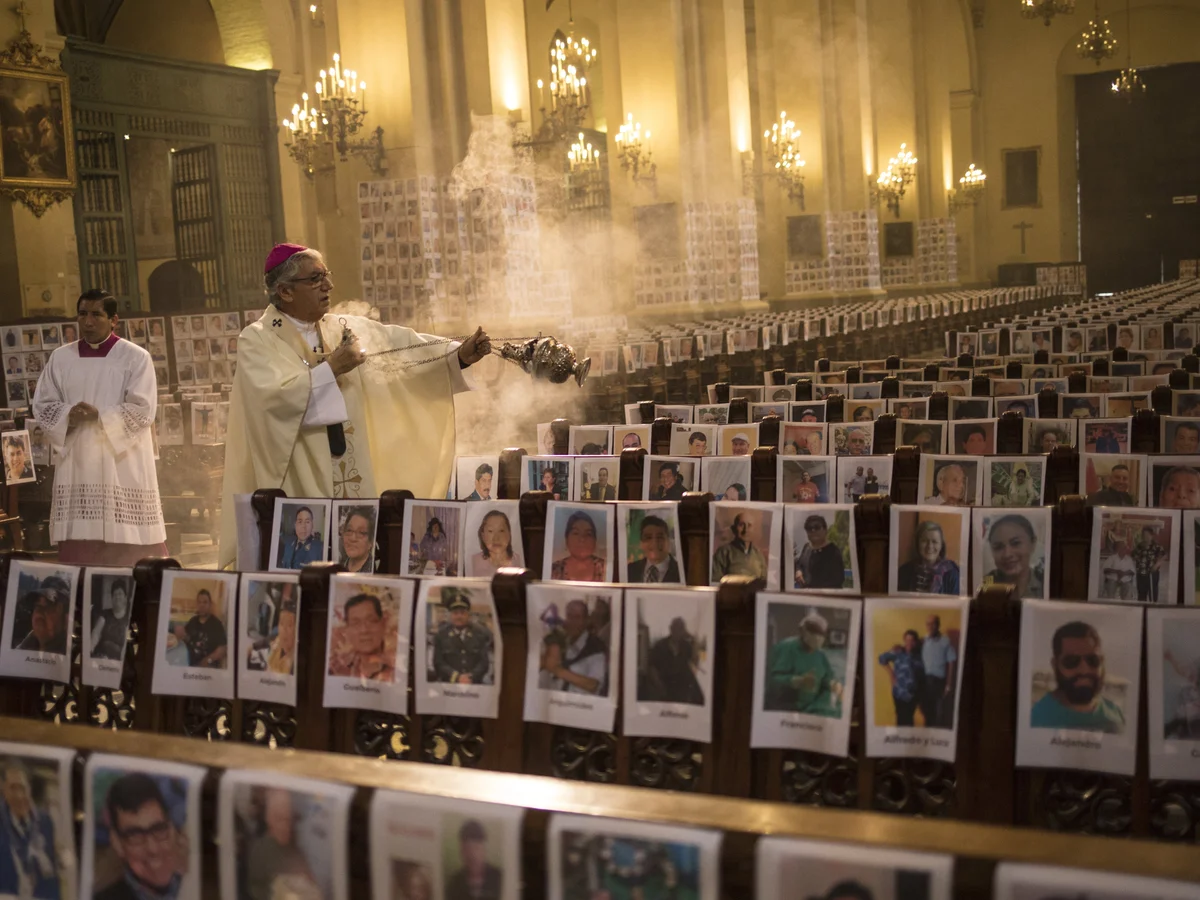
COVID-19 did not merely break economies; it broke habits, disrupted inherited beliefs, and dismantled the social theatre of worship
By Evan Sande Ndahura
When the world locked its doors and the streets fell silent under the weight of the COVID-19 pandemic, something else quietly collapsed—the unquestioned authority of organized religion. For centuries, churches, mosques, temples and synagogues were physical sanctuaries of hope. But when curfews tightened and believers worshipped from living rooms rather than pews, a new spiritual consciousness began to emerge.
COVID-19 did not merely break economies; it broke habits, disrupted inherited beliefs, and dismantled the social theatre of worship. For the first time, human beings were forced to confront a truth often buried under ritual—that faith is an inward journey, not a building made of concrete, stained glass or minarets.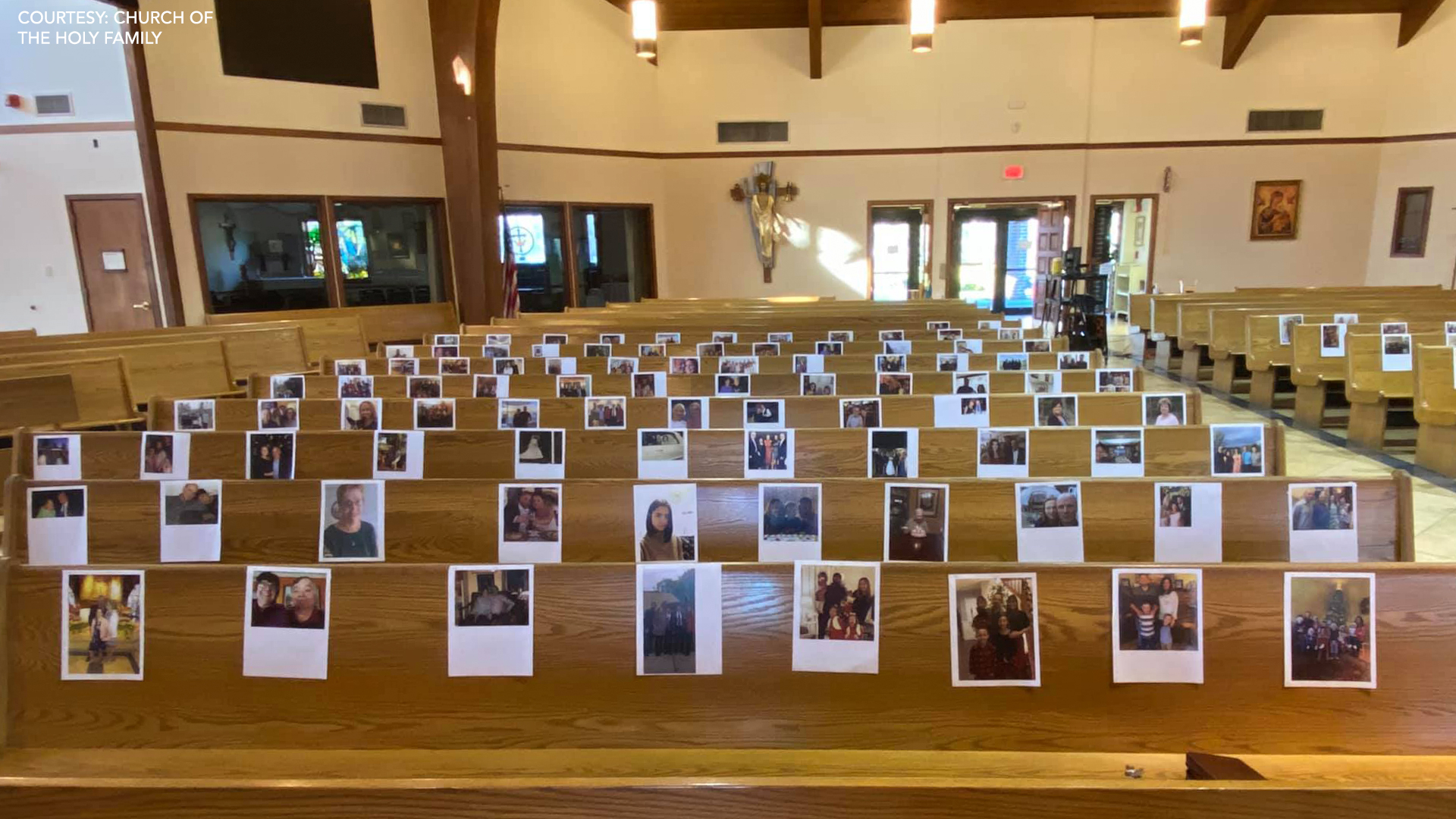
THE PANDEMIC THAT UNMASKED RELIGION’S TRUE VALUE
Before COVID-19, religion was deeply woven into society’s weekly rhythm. Churches filled every Sunday, mosques overflowed every Friday, and believers depended heavily on clergymen—pastors, bishops, reverends, sheikhs and prophets—as mediators between themselves and God.
But the lockdowns scattered congregations, leaving behind deserted sanctuaries and ringing an uncomfortable question in many hearts:
“If God is everywhere, why do I need a building to find Him?”
From this silence emerged an awakening. People discovered the difference between belief, religion, and God. They learned that spiritual authority does not come from the charismatic voice behind a pulpit, but from the quiet conviction within the soul.
Many elites, especially, stopped the routine of giving money, gifts, offertories, tithes and zakat with blind loyalty. Some never returned to physical worship. Others go occasionally, but the old fire and dependence had died.
COVID-19 interrupted religiosity and revived personal faith.
THE DECLINE IN RELIGIOUS TURNUP — A POST-COVID REALITY
Though the world has healed, the attendance trends have not. Across continents:
Churches are emptier than pre-2020 levels
Mosques report reduced regular attendance
Religious donations dropped significantly
Faith-based institutions struggle to recover influence
Online worship replaced the physical bond—but not the spiritual depth
People now question religious institutions more boldly. They examine motives, leadership lifestyles, financial accountability and exploitation under the umbrella of “God’s work.”
Many now see organized religion through a clearer lens—no longer as an unquestionable authority, but as an institution subject to scrutiny.
WHEN FAITH RETURNED HOME
One of the greatest global lessons of the pandemic was this:
God does not quarantine. Families gathered around dining tables to pray. Individuals read scriptures personally rather than relying on interpretations. Spirituality became intimate, stripped of drama, noise and spectacle.
Biblical Guidance
“God is spirit, and those who worship Him must worship in spirit and truth.” — John 4:24
This verse affirms that worship is not tied to physical structures or religious personalities.
“Where two or three are gathered in my name, I am there among them.” — Matthew 18:20
God honors small, sincere gatherings—even at home.
“Do not put your trust in princes, in human beings, who cannot save.” — Psalm 146:3
A reminder not to worship spiritual leaders but the God they claim to represent.
Qur’anic Guidance
“And when My servants ask you concerning Me—indeed I am near.” — Qur’an 2:186
God’s closeness is direct; it requires no middleman.
“It is You we worship and You we ask for help.” — Surah Al-Fatiha 1:5
True worship belongs to God alone, not to institutions.
“And rely upon Allah; and sufficient is Allah as Disposer of affairs.” — Qur’an 33:3
Reliance must be placed on God, not religious profit-seekers.
Through these scriptures, humanity has rediscovered an ancient truth: Faith is personal. Religion is structural. God is eternal.
THE PANDEMIC'S OTHER LASTING EFFECTS
Though religion’s decline is central, COVID-19 left behind broader aftershocks still shaping the world:
Psychological Reshaping
Anxiety, grief and uncertainty made many people reevaluate their lives, identities and beliefs. The emotional trauma continues to influence spiritual attitudes.
Distrust of Institutions
Not only religious institutions—but governments, hospitals, and global organizations lost a measure of trust. This skepticism spilled over into faith institutions whose promises did not match people’s lived suffering.
Rise of Digital Faith
Zoom sermons, Facebook live prayers, WhatsApp Quran study groups—these became the new “places of worship.” But digital faith lacks the intimacy and accountability of traditional community worship.
Redefinition of Community
People discovered that friendship, family and relationships—not religious gatherings—were the strongest pillars of survival.
Economic Hardship
Financial strain made many realize that the heavy giving culture of some institutions was unsustainable and often exploitative.
RELIGION AS A BUSINESS: A CRITICAL EXAMINATION
COVID-19 exposed a painful wound: Some religious institutions operate like corporations—profit-driven, personality-centered, and commercially motivated. The pandemic forced believers to ask:
Why do some leaders live like royalty while congregants struggle?
Why is the pulpit sometimes a platform for wealth, not worship?
Why do institutions demand offerings even when people are starving?
Why doesn’t God require money, but His representatives do?
Scripture warns against such spiritual commercialization:
Biblical Warning
“Beware of false prophets…inwardly they are ravenous wolves.” — Matthew 7:15
Qur’anic Warning
“Woe to those who give less [than due]… who when they measure for themselves take full.” — Qur’an 83:1–2
A rebuke to exploitative, unjust leaders.
COVID-19 unmasked these tendencies and forced people to reclaim their faith from exploitative hands.
A CALL TO RENEWED, PRIVATE, AUTHENTIC FAITH
This article does not reject religion—it challenges believers to understand it.
Man must learn to balance:
Religion as a community practice, and
Faith as a personal covenant with God
The pandemic taught the world to worship with sincerity, humility, and truth. And scripture supports a return to authentic personal spirituality:
Biblical Encouragement
“Draw near to God, and He will draw near to you.” — James 4:8
Qur’anic Encouragement
“So remember Me; I will remember you.” — Qur’an 2:152
The message is universal: God responds to individuals, not to buildings.
ABOUT THE WRITER
Evan Sande Ndahura is a Ugandan writer, columnist and social critic whose works interrogate African politics, leadership, governance, and the deeper moral questions of society. His articles explore the retarded growth and development of African nations under corrupt and dictatorial regimes, the misuse of public resources, and the moral decay eating into state institutions.
He also writes extensively on spirituality, culture, and the evolving consciousness of African societies in a rapidly changing world. Ndahura’s voice is bold, provocative and reflective—challenging readers to rethink what they have been conditioned to accept.
Torch Media Africa



