Written By | Health News Agencies
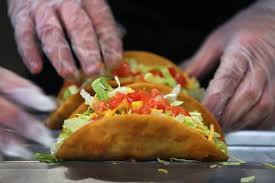
Nearly 2,000 people across nine states have been struck down by explosive, weeks-long diarrhea traced to a single lettuce supplier — and the lawsuits against Taco Bell are just getting started
NEW YORK
It started as a stomach bug nobody could shake. Then it started showing up in emergency rooms from Michigan to Ohio, Indiana to Kentucky — patients doubled over, running to the bathroom a dozen times a day, some so dehydrated they needed IV fluids just to stay upright. By the time investigators traced the trail back to its source, nearly 2,000 Americans had been sickened, dozens hospitalized, and one of the country's biggest fast-food chains was yanking a salad ingredient off its line in a scramble to stop the bleeding — or rather, the diarrhea.
The culprit: Cyclospora cayetanensis, a microscopic parasite invisible to the naked eye, riding along on shredded iceberg lettuce grown thousands of miles away in central Mexico. The outbreak, now one of the largest of its kind reported in the United States in years, has been traced to a single supplier — Taylor Farms de Mexico — whose lettuce made its way onto plates at Taco Bell locations across at least five states before anyone realized what was happening.
THE BUG NO ONE SAW COMING
Cyclosporiasis isn't new — cases tend to spike every summer, largely tied to imported fresh produce grown during the U.S. off-season. But 2026's numbers have blown past anything public health officials have seen in recent memory. According to the CDC's most recent investigation update, 1,947 illnesses have been reported across nine states, with symptom onset dates stretching from May 13 to July 20. Ninety-eight people have been hospitalized. No deaths have been reported — yet.
Those numbers likely understate the true scale. In a Health Alert Network notice issued July 14, the CDC said it had already confirmed 1,645 domestically acquired cases and was sitting on reports of more than 5,100 additional illnesses still being reviewed to determine whether they're linked to the outbreak. For context, that's a staggering leap from the 249 cases the agency had logged by the same point in 2025 — nearly an eightfold jump year over year.
Michigan has emerged as one of the hardest-hit states in the country, with hospitals there reporting wards fuller than usual with patients suffering the parasite's signature symptom: watery, sometimes explosive diarrhea that can strike a dozen or more times a day. Health officials in several states say the true toll of this outbreak may not be fully known for weeks, since cyclosporiasis isn't part of routine stool testing and many mild cases likely go undiagnosed entirely.
FOLLOWING THE TRAIL OF LETTUCE
Investigators from the FDA and CDC spent weeks running down the source, combining genetic sequencing with old-fashioned shoe-leather epidemiology — interviewing sick patients about every meal they'd eaten in the two weeks before symptoms began. The pattern that emerged pointed again and again to shredded iceberg lettuce.
On July 16, the FDA named Taylor Farms de Mexico as the supplier whose lettuce converged across the Taco Bell locations tied to illnesses in Indiana, Kentucky, Michigan, Ohio, and West Virginia. The next day, Taylor Farms de Mexico announced it was voluntarily pulling all iceberg lettuce grown in central Mexico from U.S. shelves and food-service supply chains — a recall that rippled far beyond Taco Bell. Recalled shredded and chopped lettuce products had been distributed to food-service customers in more than two dozen states, and iceberg lettuce from the implicated region also turned up on shelves at Walmart stores in 15 states.
The FDA has since increased border screening on lettuce imports from the region and continues to collect and test samples as the investigation continues. As of the latest update, officials have not declared the outbreak over, and case counts are still expected to climb as recent illnesses work their way through the reporting pipeline.
TACO BELL AND TAYLOR FARMS RESPOND
Taco Bell moved quickly once the supplier was named, saying in a statement that "we take your health and safety seriously" and confirming it had "removed all affected Taylor Farms lettuce from Taco Bell stores." The chain characterized the move as voluntary and said it was cooperating fully with federal investigators.
Taylor Farms, for its part, struck a more contrite tone. "We have removed all iceberg lettuce from the region indefinitely," the company said, adding that it remains "deeply concerned for those who became ill, their families, and the many Americans whose trust in the safety of their fresh produce has been shaken." The company said it was actively investigating how its central Mexico-grown lettuce became contaminated in the first place — a question that, as of this writing, remains unanswered publicly.
WHAT CYCLOSPORA DOES TO YOUR BODY
Cyclospora cayetanensis is a single-celled parasite that hitches a ride on fresh produce irrigated or washed with contaminated water, and it doesn't take much exposure to make someone sick — just a handful of the microscopic oocysts. Once swallowed, the parasite sets up shop in the small intestine, and symptoms typically creep in about a week later, though the CDC says the incubation period can range anywhere from two days to more than two weeks.
The hallmark symptom is watery diarrhea, often sudden and explosive, that can strike repeatedly throughout the day. It's frequently joined by abdominal cramping, bloating, loss of appetite, nausea, and flu-like fatigue. What makes cyclosporiasis particularly miserable, doctors say, is its relapsing pattern: symptoms can appear to ease up, only to come roaring back days later. Left untreated, the illness can drag on for a few days to a month or longer, and fatigue can linger even after the gastrointestinal symptoms finally clear.
There is a treatment. A course of seven to ten days of the antibiotic combination trimethoprim-sulfamethoxazole, sold under brand names like Bactrim, is the CDC's recommended therapy for adults and children over two months old who aren't allergic to it. Most people start feeling meaningfully better within one to two weeks of starting treatment. But diagnosis often lags, doctors note, because cyclosporiasis isn't the first thing most physicians think of when a patient walks in with garden-variety stomach troubles — which is part of why case counts in outbreaks like this one tend to be undercounted for weeks or months.
THE LAWSUITS ARE PILING UP
With the source identified and a paper trail connecting specific restaurant locations to specific batches of lettuce, personal injury lawyers wasted no time. Federal lawsuits have already been filed against Taco Bell and Taylor Farms, including one from a U.S. Army veteran who says he was hospitalized after eating at a Taco Bell location linked to the outbreak. Additional suits have piled up in Michigan, where plaintiffs' attorneys say the hospitalization toll has been especially severe.
Legal experts say the cases will likely hinge on the traceback evidence the FDA has already compiled — genetic fingerprinting that can match the parasite strain found in patients' stool samples to samples pulled from recalled lettuce. That kind of forensic link, food-safety attorneys note, tends to make these cases easier to win than outbreaks where the source is never conclusively identified, which could mean a costly summer ahead for both companies.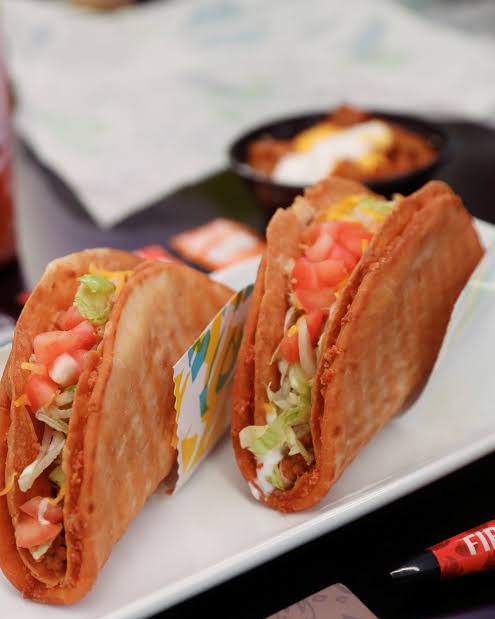
EXPERT PERSPECTIVE
Food-safety researchers say this outbreak underscores a persistent vulnerability in the U.S. produce supply chain: fresh, ready-to-eat vegetables like shredded lettuce travel through long, complex international supply chains before they land on a plate, and a single contaminated field or wash-water source can seed illness across dozens of states almost instantly. Unlike a batch of undercooked meat, lettuce isn't cooked before it's eaten — there's no final kill step to neutralize a parasite that made it onto the leaf before it ever reached a kitchen.
Public health officials have also flagged a troubling wrinkle: this is not the only cyclospora cluster under investigation in the U.S. this year. A separate group of illnesses, not linked to the recalled Taylor Farms lettuce, is also being investigated by health authorities — a reminder that produce-borne cyclosporiasis has become a near-annual summer hazard tied to the industry's heavy reliance on imported fresh vegetables during the colder months of the U.S. growing calendar.
WHAT THIS MEANS FOR YOU
If you've eaten at a Taco Bell in Indiana, Kentucky, Michigan, Ohio, or West Virginia in recent weeks — or bought iceberg lettuce from Walmart in one of the 15 affected states — and have since developed watery diarrhea that won't quit, cramping, or unexplained fatigue, doctors recommend seeing a healthcare provider and specifically asking about cyclospora testing, since it isn't part of routine stool panels. The CDC advises against simply riding it out, given how long the illness can drag on if left untreated.
More broadly, the outbreak is a reminder that recalls don't always keep pace with restaurant supply chains, and that produce sold well before a recall notice hits the news can already be sitting in refrigerators or on menus by the time it does. Consumers who want extra caution can ask restaurants and grocers where their lettuce is sourced — a step food-safety advocates say has become increasingly worthwhile as recalls of leafy greens have grown more frequent in recent years.
THE BOTTOM LINE
For now, the outbreak is still active, the death toll still stands at zero, and investigators are still trying to pin down exactly how a parasite ended up in a field of lettuce that fed a nation's taco habit. But between the mounting case count, the multiplying lawsuits, and a food-safety system that keeps getting outrun by its own sprawling supply chains, this is one drive-thru order that a lot of Americans are going to remember for reasons that have nothing to do with the menu.