BUSINESS AND ECONOMY
Uganda’s economy has been dominated this autumn by one story: a sharp fall in the value of the shilling and the policy response to it. The currency has lost more than 11 percent against the US dollar this year, inflation has climbed to a three-year high, the central bank has delivered its largest interest rate increase in 15 years, and the government has cut planned spending and urged citizens to tighten their belts. The measures come after a period in which the economy had been growing strongly, and they raise the question of how long the pressure will last.
How the shilling fell
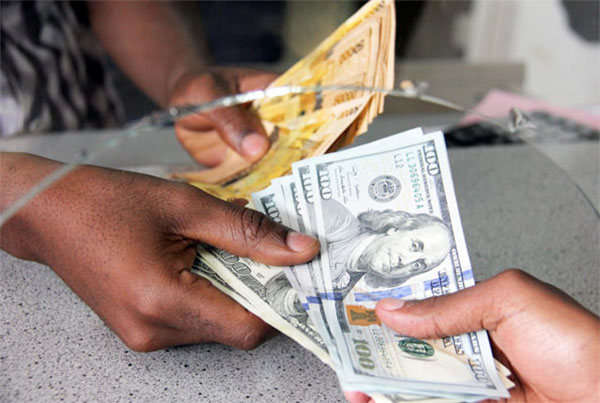
Through much of the year the shilling traded in a relatively stable band. On 23 January, the Bank of Uganda put it at Shs3,511.91 to the dollar (buying rate). By 15 September the Monitor reported that the currency had suffered its sharpest weekly slide in nearly two years and broken through Shs3,900, as global oil prices rose to $109. Forex analyst Stephen Kaboyo of Alpha Capital Partners said the shilling was “moving in lockstep with crude prices.” Fears of a Middle East war added to demand for dollars from fuel importers.
By early October commercial banks were quoting about Shs4,090 to Shs4,100 per dollar. Reuters, cited by Nile Post, reported that the shilling was down more than 11 percent since the start of 2026, with pressure coming largely from importers, energy firms and telecoms seeking foreign currency. The shilling reached about Shs4,250 to Shs4,260 on 22 October, from about Shs4,045 to Shs4,055 a week earlier, according to Pulse Uganda.
The government’s explanation
President Yoweri Museveni addressed the issue at the 64th Independence Day celebrations on 9 October at State House Entebbe. He blamed conflicts in the Gulf for the shilling’s depreciation and for higher fuel prices. He said the government would not use foreign exchange reserves to prop up the shilling, rejecting a Bank of Uganda proposal to sell some reserve dollars. He urged Ugandans to buy locally made goods and reduce their reliance on imports, and said a fuel supply deal with the trader Vitol had kept prices lower for about four months on the hope that the wars would end. That hope, he said, had not materialised. He also cited the Ebola outbreak as a drag on economic activity, including travel and tourism, and urged people not to panic.
Fuel prices have risen sharply. The Finance Ministry’s August report put average petrol at Shs6,529 per litre and diesel at Shs6,647, and some areas have since reached Shs7,000 to Shs8,000. A Shs200-per-litre excise increase also took effect in the 2026/27 financial year. Energy Minister Monica Musenero told Parliament on 7 October that fuel prices were driven by shilling depreciation, international supply pressures and the excise increase, and Parliament asked for a breakdown of the prices at which the Uganda National Oil Company supplies fuel to oil marketing companies.
The central bank steps in
On 14 October the Bank of Uganda held a special meeting and raised its policy rate, the Central Bank Rate, by 225 basis points to 12 percent from 9.75 percent. It was the largest move since 2011. The shilling rallied the next day and was the best performer among 23 African currencies tracked by Bloomberg, gaining 0.8 percent to trade near 4,043 per dollar. Traders suspected the central bank had also sold dollars. Kaboyo said it could have supplied up to $30 million, and Richard Nsubuga, head of trading at Absa Group’s Uganda unit, said the bank had stepped in. Governor Michael Atingi-Ego said the exchange rate is still set by the market, but that the bank may use its policy tools to ease volatility.
The rally did not last. Pulse Uganda reports that the initial recovery proved short-lived and the central bank sold foreign currency again on 22 October. By the time of a Briefs Finance report on 30 October, the shilling had recovered about 2.5 percent to 4,245 per dollar. Bloomberg Africa economist Yvonne Mhango said the shilling had “weakened more than was necessary to shrink the external funding gap” and would likely recover part of its decline.
Inflation and spending cuts
Data from the Uganda Bureau of Statistics showed headline inflation rising to 5.8 percent in October from 4.6 percent in September, the highest in three years. Core inflation rose to 4.4 percent from 3.7 percent, just under the central bank’s 5 percent target. Rising energy and food costs did most of the pushing, along with higher import costs. The International Monetary Fund had warned in July that currency movements, energy prices and transport costs could push inflation above 5 percent in 2026/27. It also noted that real growth reached 6.5 percent in the first half of FY2025/26, up from 6.3 percent a year earlier.
The Treasury has responded with fiscal tightening. The government cut planned second-quarter spending by nearly Shs3 trillion. Treasury Secretary Ramathan Ggoobi said ministries, departments and agencies must operate within tighter limits, with less money released for travel, fuel and running costs, and officials attending workshops online instead of travelling. He called the rate increase “the first warning to the whole economy” and urged households to avoid unnecessary trips and replace imported foods with local staples such as potatoes from Kabale, cassava and matoke. He said Ugandans would have to accept some loss of comfort.
Why it matters
A weaker shilling raises the cost of imported fuel, which feeds through to transport and food prices. Higher interest rates make borrowing more expensive for businesses and households, and tighter government spending can slow activity in sectors that depend on public contracts. The measures are intended to protect price stability, but they arrive while the economy is also dealing with tourism and travel disruption from the Ebola outbreak and the impact of Middle East conflict on equipment deliveries. A Monitor article in August reported that the conflict had delayed Uganda’s first oil project.
There is also a policy debate. Museveni’s refusal to use reserves, and his call for import substitution, contrast with the central bank’s decision to intervene in the currency market. Mhango’s view that the currency overshot suggests that some of the pressure may be speculative rather than fundamental, a concern the central bank has also raised, according to a bne IntelliNews headline.
What to watch next
The next inflation reading and the Bank of Uganda’s next policy meeting will show whether the 225-basis-point increase is cooling price pressures. The path of global oil prices and the Middle East conflict will remain the largest external factor. Domestically, observers will watch whether the shilling stabilises without further intervention, whether the government has to widen its spending cuts, and how Parliament’s inquiry into fuel pricing proceeds. For households and businesses, the immediate effects are likely to be higher costs for fuel, transport and credit.
Published By | Business News Editor




