Written By |
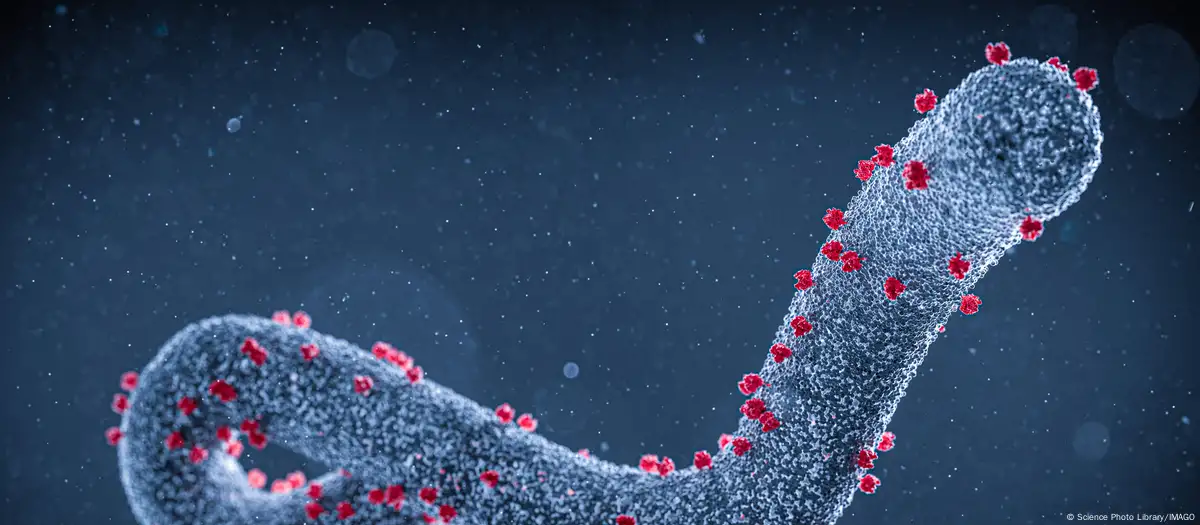
The Marburg virus was first identified in 1967 in the German city of Marburg, after laboratory technicians became infected while studying monkeys imported from Uganda
Rwanda is launching vaccine and therapeutic trials in an effort to combat an outbreak of Marburg virus disease, a deadly and highly infectious viral hemorrhagic fever. As two suspected cases in Germany turned out to be negative, Rwanda continues its fight to contain the spread.
On Thursday, Rwanda's Assistant Health Minister, Yvan Butera, announced that health authorities are isolating and closely monitoring the contacts of infected individuals to prevent further transmission. Additionally, the country is preparing to start clinical trials of vaccines and therapies to treat those already sick with the virus, which is from the same family as Ebola.
"We are about to start vaccine and therapeutic clinical trials to protect high-risk groups," Butera shared on X (formerly Twitter), though he did not specify which vaccines or treatments will be tested.
Details of the outbreak
According to the Rwandan Ministry of Health, 410 people who have been in contact with infected individuals are being monitored, while five others have tested negative for the virus. They are awaiting additional test results. The first confirmed case of Marburg in Rwanda was detected in late September. Symptoms of Marburg disease include severe headaches, vomiting, muscle pain, and stomach aches. The virus has a high fatality rate of up to 88%, and it is typically transmitted to humans by fruit bats. It can then spread from person to person through contact with bodily fluids. So far, Rwanda has reported 36 cases of the illness.
False alarm in Germany
In Germany, fears of a Marburg virus infection arose when two individuals were admitted to a hospital in Hamburg. However, diagnostic tests for both came back negative, authorities confirmed on Thursday.
One of the individuals, a medical student who had been in contact with infected patients abroad, will remain in isolation at the University Medical Centre Hamburg-Eppendorf (UKE) for the duration of the incubation period, which can last up to 21 days. His companion will also be monitored at the UKE over the weekend.
Background on Marburg disease
The Marburg virus was first identified in 1967 in the German city of Marburg, after laboratory technicians became infected while studying monkeys imported from Uganda. Recent cases of Marburg have been reported in Tanzania and Equatorial Guinea in 2023, and Uganda in 2017.
Rwanda’s proactive steps in trialing vaccines and therapies offer hope of controlling the current outbreak and protecting vulnerable populations.
Source: DW



