POLITICS
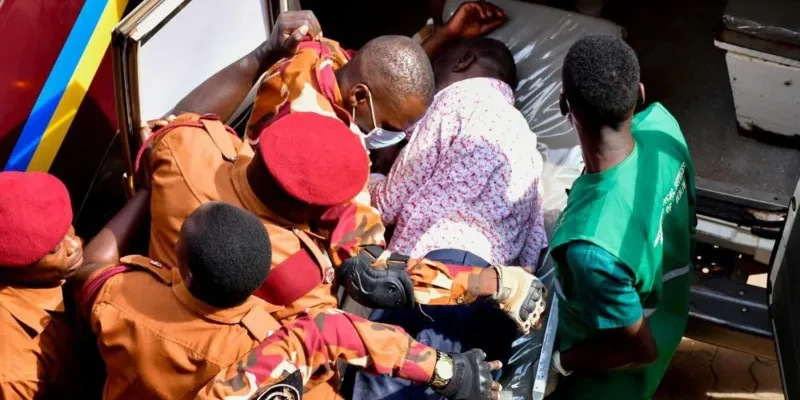
Uganda's most prominent opposition figure, four-time presidential candidate Dr. Kizza Besigye, collapsed inside the dock at the High Court in Kampala on Wednesday, July 29, and was rushed unconscious to the intensive care unit at Mulago National Referral Hospital, where he remained overnight and into Thursday. The episode, which occurred in the middle of his ongoing treason trial, has thrust the 70-year-old veteran opposition leader's deteriorating health and prolonged detention back to the center of Uganda's political conversation, drawing coverage from Reuters, the Washington Post, US News and regional outlets alike.
According to accounts from multiple Ugandan and international news organizations, Besigye rose in the dock before High Court judge Emmanuel Baguma and repeatedly shouted the word "stop," protesting a ruling that would require him to be represented by court-appointed lawyers rather than counsel of his own choosing. He then fell backward and lost consciousness. Court officials and family members arranged his emergency transfer to Mulago, Uganda's largest public referral hospital, where he was admitted to the ICU.
His wife, Winnie Byanyima, who also serves as Executive Director of the United Nations' UNAIDS program, described his condition in stark terms. She said he is "unconscious, unable to speak, and unresponsive even to a pain stimulus," a description that has alarmed supporters and human rights observers and raised urgent questions about the medical care he has received in custody. As of Thursday morning, Ugandan authorities had not issued a detailed public statement on his prognosis or on what tests or treatment he was receiving.
A Long Road to the Dock
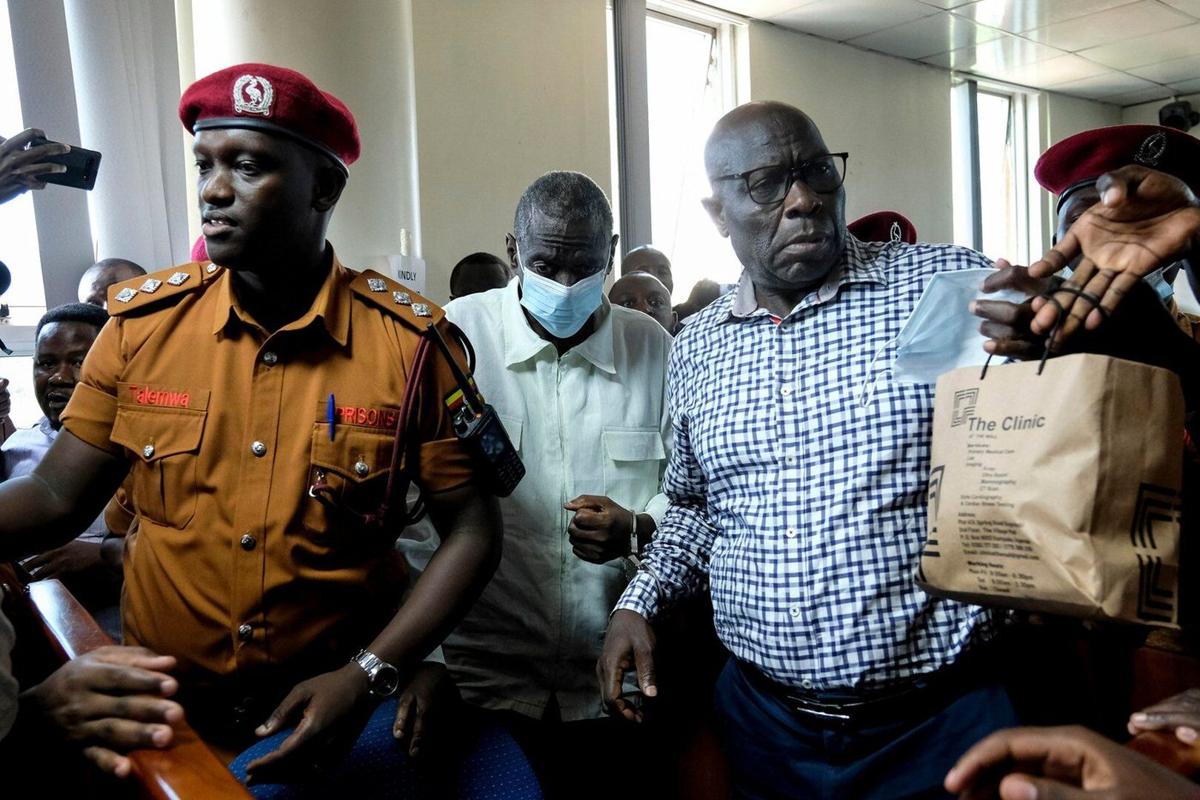
Besigye's collapse is the latest chapter in a saga that has stretched for more than a year and a half. He has been held in custody since November 2024, when he and an aide, Hajji Obeid Lutale, were arrested in Kenya and subsequently returned to Uganda to face charges of treason. Prosecutors allege that Besigye, Lutale and a third co-accused, Captain Denis Oola, held a series of clandestine meetings in Geneva, Athens, Nairobi and Kampala in which they solicited funding, sought to acquire weapons and organized paramilitary operations aimed at overthrowing the government of President Yoweri Museveni.
Besigye has denied the charges and has been denied bail on repeated occasions during the case. Earlier this month, on July 13, the High Court's Criminal Division dismissed an application from Besigye and Lutale seeking to halt the treason proceedings altogether. Justice Baguma described the application as "incompetent" and an abuse of court process designed to delay the trial, a ruling that cleared the way for the case to proceed to full hearing. The legal battle around the case has also ensnared Besigye's lead attorney, Erias Lukwago, the Lord Mayor of Kampala, who was separately arrested and charged with failing to report acts of treason — a development that supporters of the opposition have characterized as an attempt to strip Besigye of experienced legal representation.
It was, in fact, a dispute over legal representation that appears to have precipitated Wednesday's collapse: Besigye was objecting to being assigned court-appointed lawyers in what his allies see as a continuation of efforts to control who can represent him. His decades of political history make him a singular figure in Ugandan public life. A former personal physician to Museveni during the 1980s bush war and one-time ally within the ruling National Resistance Movement, Besigye broke from Museveni in the early 2000s and has since run against him for the presidency four times, in 2001, 2006, 2011 and 2016, each time disputing the declared results as fraudulent. He has been arrested, tear-gassed, beaten and placed under house arrest on numerous occasions over the past two decades, cementing his status as the country's best-known dissident voice.
The Wider Political Backdrop
Besigye's detention and trial are unfolding against an already tense political backdrop. Museveni, in power since 1986, won Uganda's January 2026 general election and is set to begin a seventh term, an outcome opposition figures and some international observers say was marred by irregularities. Protests that followed the vote turned deadly, with at least seven demonstrators killed in clashes with security forces in the initial unrest, according to rights monitors and news accounts of the period. Uganda's Parliament has continued to operate largely as normal since then — this week approving new East African Legislative Assembly nominees and debating a drought and hunger crisis affecting the country's north — even as questions about civil liberties and the treatment of opposition figures persist in the background.
Press freedom has also come under strain in recent months. In late June, soldiers shut down the Kampala offices of the Daily Monitor newspaper and three affiliated broadcast stations, an action reportedly ordered by Muhoozi Kainerugaba, the army chief and Museveni's son, who is widely regarded as a potential successor and has periodically clashed publicly with journalists and government critics. Taken together with Besigye's detention, the episode has reinforced concerns among diplomats and civil society groups about shrinking space for dissent in Uganda even as the government touts economic gains from new oil production and rising investment.
Why It Matters
Besigye's health crisis carries significance well beyond his individual case. As Uganda's most durable opposition figure, he has functioned for a generation as a barometer for how the Museveni government treats dissent, and his sudden hospitalization while in state custody is likely to intensify scrutiny from Western governments, rights organizations and multilateral bodies that have periodically pressed Kampala on due process and prison conditions. Byanyima's international profile as a senior UN official all but guarantees the story will draw diplomatic attention that a similar episode involving a lesser-known detainee might not.
The incident also lands at a delicate moment for Uganda's global image. The government has spent much of 2026 marketing the country as an emerging investment destination on the strength of new oil production, a record national budget and ambitious growth targets, all themes explored elsewhere in this week's briefing. A prolonged health crisis or death of a detained opposition leader mid-trial would complicate that narrative considerably, inviting exactly the kind of international coverage that emerged within hours of Wednesday's collapse.
What to Watch Next
In the immediate term, attention will focus on Besigye's medical condition and whether Mulago's doctors, and potentially independent or international physicians if his family is able to secure access, release further details on his diagnosis and treatment. His legal team and family are likely to renew bail applications on medical grounds, arguing that his condition makes continued pre-trial detention untenable; whether the High Court grants any such request will be an early test of how the judiciary responds to the episode.
Beyond the immediate medical question, the case raises longer-running issues to track: whether the treason trial itself continues on schedule given Besigye's condition, whether Lukwago's prosecution proceeds in parallel and further narrows Besigye's legal options, and whether opposition supporters and civil society organize any public response, given the volatile atmosphere already established by January's post-election protests. Diplomatic statements from Western embassies in Kampala, the African Union or United Nations bodies — an especially live possibility given Byanyima's UNAIDS role — would mark a significant escalation in international pressure on the government over the case. For now, Ugandans and outside observers alike are waiting for word on the condition of a man who has spent a quarter-century testing the limits of dissent under Museveni's rule.
Published By | News Editor