Written By | Entertainment Desk
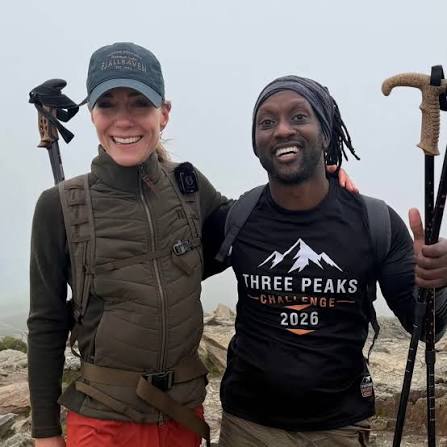
The Princess of Wales summited Britain's three highest peaks in under 24 hours this weekend — not to set a record, but to make a point about what recovery actually looks like.
LONDON
Most people who climb Ben Nevis, Scafell Pike, and Snowdon back-to-back in a single day are training for an endurance record. Kate Middleton was making an argument.
Kensington Palace confirmed Sunday that the Princess of Wales, 44, completed the National Three Peaks Challenge — climbing the highest mountains in Scotland, England, and Wales, a combined 23 miles and more than 3,000 metres of elevation gain, in under 24 hours, largely alone. By Monday, the images and her accompanying message were dominating royal coverage and much of the broader entertainment press: not a celebrity stunt, but a public reckoning with what it means to come back from cancer.
A Climb With a Message Attached
The mountains themselves were the easy part to describe. Ben Nevis, Scafell Pike, and Yr Wyddfa (Snowdon) form the traditional Three Peaks Challenge route, a grueling test even for experienced hikers, typically attempted with a support team and tight logistics to make the 24-hour window. Middleton did it solo, across all three nations, in the kind of physical undertaking rarely associated with royal public engagements.
What made it newsworthy wasn't the athletic feat alone. It was the explanation she gave for it. “Through this challenge, I want to raise awareness for the deeper impact of serious illness and the importance of holistic healthcare,” she wrote in a message released alongside the news, framing the climb as a deliberate, physically demanding way of talking about something she has previously discussed only in measured, careful statements.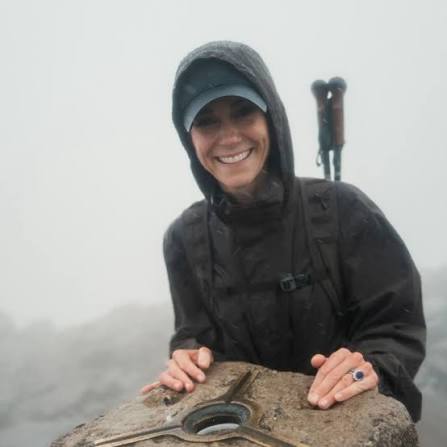
The Years Behind the Message
Middleton disclosed her cancer diagnosis in March 2024, beginning a period of chemotherapy that she completed by September of that year. In January 2025, she announced in a personal statement that she was in remission, writing that it was “a relief” and that she remained “focused on recovery,” while cautioning that “it takes time to adjust to a new normal.” She has credited The Royal Marsden, the London hospital that treated her, throughout her recovery, and has made several visits there since, including one shortly before her remission announcement, where she told a patient candidly: “It's really tough.”
The Three Peaks Challenge extends that relationship. It was designed explicitly to raise both awareness and support for The Royal Marsden, turning a physical ordeal into a fundraising and consciousness-raising vehicle for the institution that treated her — a pattern increasingly common among public figures who have gone through serious illness and want their visibility to do something useful with it.
Family at the Finish Line
The climb ended, fittingly, with the people closest to her. At the bottom of the final peak, Middleton was greeted by Prince William and their three children — Prince George, Princess Charlotte, and Prince Louis — along with her parents, Carole and Michael Middleton, and her brother, James Middleton. Photographs of the reunion, visibly emotional on all sides, have circulated widely since the palace's confirmation.
It is a notably unguarded image for a royal family that typically controls its messaging tightly, and that may be precisely the point: the moment reads less like a staged photo opportunity than like an actual family relieved to see someone they love cross a finish line, literal and otherwise.
Why It's Resonating
Public figures discussing cancer recovery has become less rare in recent years, but the specifics of how they do it still matter. Middleton has avoided turning her illness into a running narrative arc, choosing instead a small number of carefully timed, fully-owned statements — the diagnosis, the chemotherapy update, the remission announcement, and now this. Each has landed with outsized attention partly because they are rare, and partly because she has resisted the urge to over-explain or perform vulnerability for its own sake.
The phrase that stands out from this weekend's statement is “spiritual impact” — language that pushes past the purely physical framing of cancer recovery (treatment completed, scans clear) toward something more about identity and meaning after a serious illness. It's a framing that resonates well beyond royal-watchers, with patient advocacy groups and cancer charities, who have long pushed for recovery narratives that acknowledge the psychological weight of the experience, not just the clinical milestones.
What This Means for Readers
For anyone who has gone through cancer treatment, or loves someone who has, Middleton's message lands as validation of something often left unsaid: that recovery isn't a single finish line, and that the period after treatment ends can carry its own difficulty. Her choice to physically test herself, in public, as a way of marking that reality offers a more textured picture of survivorship than tidy “cancer-free” headlines usually allow.
It's also, more simply, a reminder of why these stories keep capturing public attention: not because they involve a princess, but because they involve someone publicly describing something private and difficult in a way many people recognize in their own lives.
A note for readers: this story touches on cancer and serious illness. If it's affecting you personally, organizations such as the Royal Marsden Cancer Charity and national cancer support lines can offer guidance and support.
Kensington Palace has not said whether the Three Peaks Challenge will become a recurring fixture, but the framing of the announcement — explicitly tied to The Royal Marsden and explicitly about “holistic healthcare” rather than personal achievement — suggests Middleton intends to keep using her platform this way going forward, on her own timeline and in her own words, rather than retreating from the subject now that the immediate medical chapter has closed.