Written By |
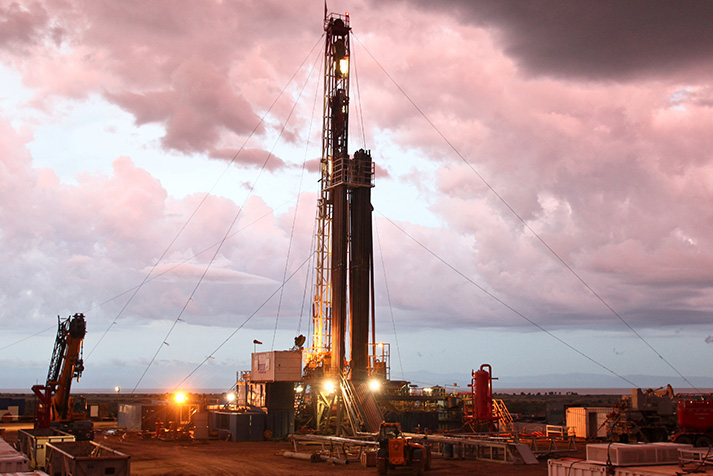
Oil rig site in Albertine region
By Our Reporter
As Uganda advances its oil and gas development efforts, the nation stands at a pivotal moment to monetize its petroleum assets, aiming not only to meet its own energy needs but also to create thousands of job opportunities. The Albertine region, known for its breathtaking landscapes and rich biodiversity, has become a focal point for intensified oil exploration.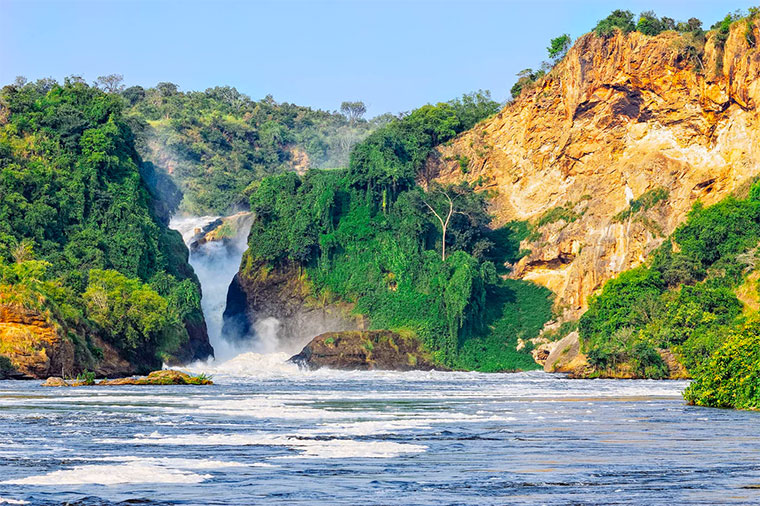
Murchison Falls
According to Andrew Mbigiti, Media and Publicity Supervisor at CNOOC Uganda, significant progress has been made in the Kingfisher field in Kikuube District, with nine of the planned 31 wells already drilled. The development of the central processing facility is also moving forward, marking steady progress toward full oil field development.
Beyond the core oil and gas activities, CNOOC has been actively engaged in corporate social responsibility initiatives that benefit the local community in Buhuka Parish. “We have supported the community through annual medical camps to improve healthcare and provided international scholarships to vulnerable children to ensure access to quality education,” Mbigiti shared. Additionally, over 1,200 Ugandans have gained crucial skills in welding and heavy equipment operation, which are essential for success in the sector.
The Petroleum Authority of Uganda (PAU) reports that approximately 10,111 Ugandans were directly employed in the oil sector by 2022, with expectations to increase this number to 13,000 at its peak. These developments have positively impacted local communities. Goretty Abigaba, a resident of Kitegwa B in Kabaale, noted that community members have received training in security, improved agricultural practices, job creation, health, and sanitation. "Many of us who were previously unemployed now have jobs, enabling us to earn a living," she said.
The Ugandan government aims to accelerate economic growth, targeting an expansion of the economy from $49.5 billion in FY 2023/2024 to $500 billion over the next 15 years, with the oil and gas sector serving as a cornerstone of this growth. As outlined in Uganda’s National Oil and Gas Policy of 2008, the government is committed to utilizing oil and gas resources to eradicate poverty and create lasting societal value.
During the exploration phase, Uganda retained $980 million out of the total $3.5 billion spent, which benefited local Ugandans providing essential goods and services. Furthermore, over 145 contracts worth $6.8 billion have been concluded in the upstream and midstream development phases, with contracts valued at $1.73 billion set to be executed by Ugandan companies at Tier 1 and Tier 2 levels.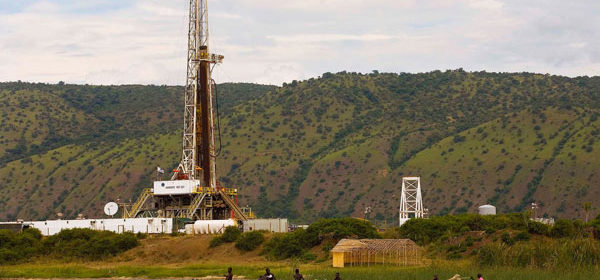
On the topic of land acquisition, Mbigiti mentioned that affected communities are being compensated through consultations with government officials and traditional leaders. "By adhering to Uganda's legal framework, including the Constitution, Land Act, and other regulations, as well as meeting International Finance Corporation (IFC) standards, CNOOC has ensured a fair and transparent process," he stated.
To promote environmental sustainability, CNOOC has introduced advanced technologies, such as the 8,000-meter silent rig, which reduces noise pollution by 30-50% compared to conventional rigs, keeping noise levels within Uganda’s regulatory limits.
In a separate initiative, Jean Remmy Amanya, a young Ugandan from Hoima, benefited from the CNOOC International Scholarship program, studying at the China University of Petroleum. Amanya emphasized that his experience in China deepened his appreciation for cultural diversity and the role of language in building connections. "The knowledge and experiences I gained will undoubtedly shape my career in petroleum engineering. I am eager to apply what I’ve learned in China to contribute to the energy sector in Uganda and beyond," he shared.
The June 2024 Uganda Economic Update (UEU) from the World Bank highlighted that Uganda's economy is resilient and growing, driven by diversified exports and investment in oil export infrastructure in preparation for oil production in 2025. The report noted that real GDP growth accelerated from 5.3% in FY 2022/23 to an estimated 6% in FY 2023/24, with projections to reach 6.2% in FY 2024/25 and exceed 7% in the medium term, largely due to investments in the oil and gas sector.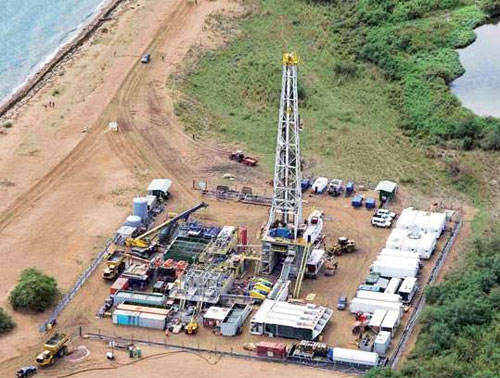
Rachel Sebudde, a World Bank Senior Economist, stated that oil exports will transform Uganda’s trade profile, while government efforts to promote tourism and agro-industrialization will further diversify exports.
Residents in the region are optimistic about the future. Emmanuel Obelingi, from Nyahaira Village in Hoima District, noted that job opportunities from oil activities have significantly reduced youth unemployment and lowered crime rates. "These jobs have enabled the youth to work, earn money, and sustain themselves," he said. Similarly, John Byakagaba, Chairman of Kitegwa B Village in Kabaale, expressed optimism about the future benefits of the oil and gas sector, stating that it will continue to improve their lives.
Torch Media Africa



