Written By | Health News Agencies
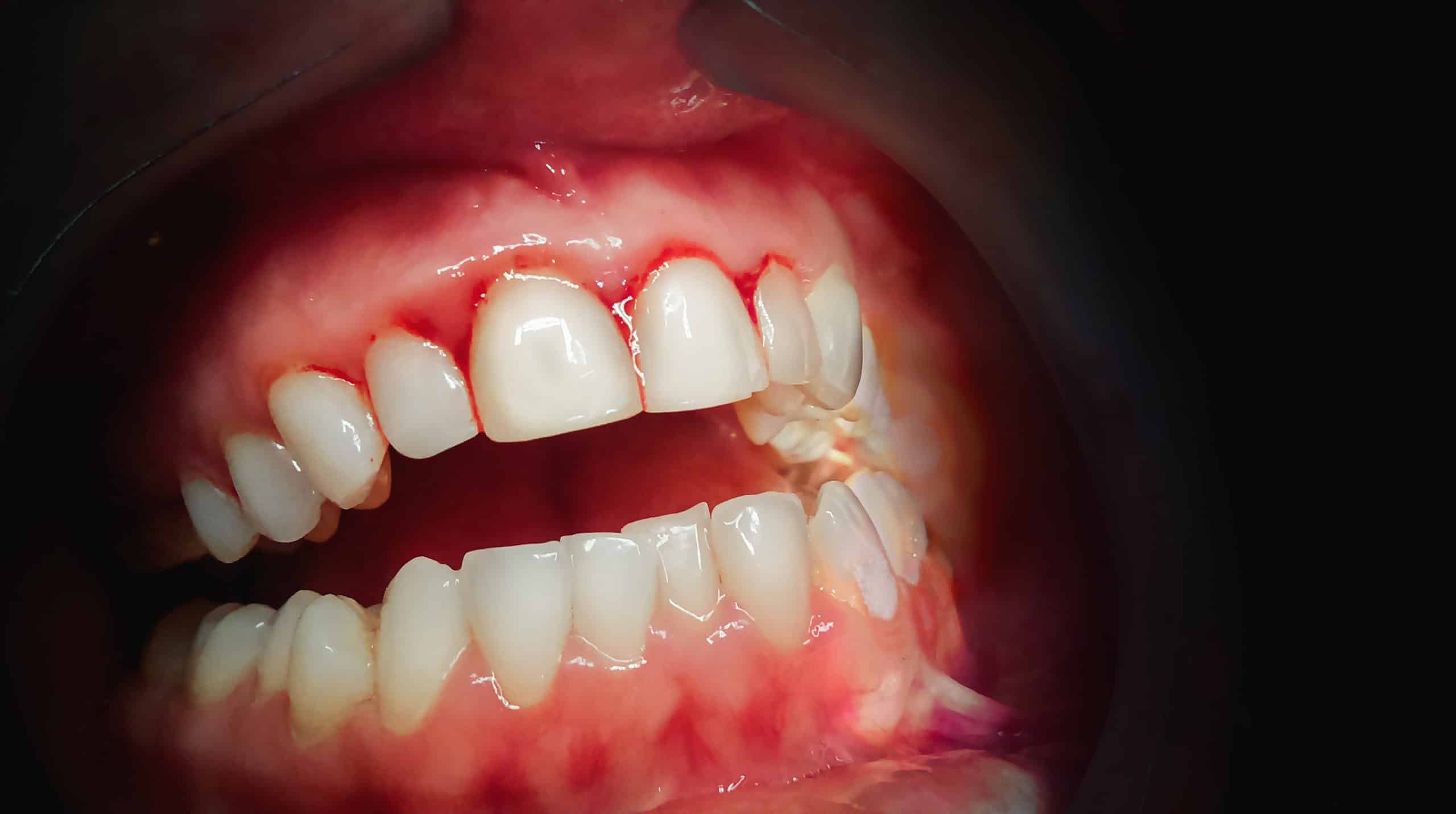
Scientists in Boston Find a Notorious Mouth Bacterium Hiding Inside Calcified Heart Valves — And It Could Rewrite How We Think About Heart Diseas
BOSTON
For years, dentists have been telling patients that gum disease and heart disease are somehow linked. Now, researchers presenting new findings at the American Heart Association's Basic Cardiovascular Sciences Scientific Sessions 2026 in Boston this week say they may have found the actual smoking gun — a specific, notorious bacterium living inside the very heart valves it may be helping to destroy.
The bacterium is called Porphyromonas gingivalis, or P. gingivalis for short — one of the most aggressive players in periodontal (gum) disease, long known for chewing through gum tissue and bone in the mouth. In new preliminary research unveiled this week, scientists say they've found this same bacterium embedded inside calcified aortic valves removed from real heart surgery patients — and that its presence appears to track closely with a serious, potentially deadly condition called calcific aortic valve stenosis (CAVS).
If the link holds up under further study, it would mean that a disease millions of people associate only with bad breath and bleeding gums could be quietly contributing to one of the most common and dangerous valve diseases in the aging population — and that treating your gums could, one day, be treated as a legitimate piece of heart disease prevention.
What the Scientists Actually Found
Calcific aortic valve stenosis happens when the aortic valve — the one-way gate that controls blood flow out of the heart's main pumping chamber and into the rest of the body — slowly thickens, stiffens, and calcifies over years or decades. As calcium deposits build up on the valve's leaflets, the opening narrows, forcing the heart to work harder and harder to push blood through a shrinking gap. It is one of the most common forms of heart valve disease in older adults, and it is progressive: in its early stages it causes no symptoms at all, but as it worsens it can trigger fatigue, chest pain, shortness of breath, fainting spells, heart failure, and in severe untreated cases, sudden death.
To investigate what might be driving that calcification process, the research team analyzed heart valve tissue removed during valve replacement surgery, comparing samples from patients with CAVS against samples from patients being treated for other kinds of valve disease. They measured the levels of various bacteria present in each tissue sample — and P. gingivalis stood out.
“We were surprised by how much P. gingivalis was present in the calcified aortic valves,” said the study's lead researcher, identified in the release only by the surname Li, in comments provided to the American Heart Association's newsroom. “Although it was not one of the most abundant bacteria overall, it showed one of the largest differences between valves with CAVS and valves without CAVS. This unexpected finding led us to investigate its potential role in the development of CAVS.”
In other words: P. gingivalis wasn't necessarily the most common bacterium found in the diseased valves overall — but it was dramatically more common in the calcified, diseased valves than in the non-calcified ones. That gap is what caught the researchers' attention, and what's driving the new hypothesis that this specific bacterium isn't just an innocent bystander riding along in the bloodstream, but an active participant in the disease process.
How Could a Mouth Bacterium End Up in Your Heart Valve?
It sounds almost too strange to believe — a bacterium that lives in the gum line somehow making its way to a heart valve deep inside the chest. But it's a mechanism cardiologists and microbiologists have been building evidence for over more than a decade.
Gum disease creates chronic, low-grade wounds along the gumline, effectively giving oral bacteria a repeated backstage pass into the bloodstream every time you chew, brush aggressively, or have dental work done. From there, bacteria can travel throughout the circulatory system and, in some cases, take up residence in distant tissues — including heart valves, and even the plaques that build up inside coronary arteries. P. gingivalis in particular has previously been identified as one of the most frequently detected bacterial species in the walls of coronary and femoral arteries in prior research, and separate studies have tied active P. gingivalis infection to a heightened risk of acute heart attacks.
Once lodged in valve tissue, the leading theory is that the bacterium triggers a chronic, low-level inflammatory response — the immune system's attempt to fight off the unwelcome invader. But that same inflammatory response, sustained over years, is believed to be one of the key drivers that encourages calcium to accumulate on the valve leaflets in the first place. In effect, the body's own defense mechanism against the bacterium may end up hardening the very tissue it's trying to protect, in a slow-motion process that plays out over years without the patient ever feeling a thing until the valve is already significantly narrowed.
Still Early — But Worth Taking Seriously
It's important to note what this research is, and isn't, at this stage. The findings were presented as a research abstract at a major scientific meeting — the kind of early-stage data cardiologists use to generate new hypotheses and justify further study — rather than as a full, peer-reviewed paper published in a medical journal. The American Heart Association was explicit about that distinction in its own release on the findings: “Abstracts presented at the American Heart Association's scientific meetings are not peer-reviewed, and the findings are considered preliminary until published as full manuscripts in a peer-reviewed scientific journal.”
That caveat matters. Association is not causation, and the fact that a bacterium is present in diseased tissue doesn't automatically prove it caused the disease — it's equally possible that already-damaged, inflamed valve tissue simply becomes an easier place for bacteria to take hold, meaning the calcification could be attracting the bacteria rather than the other way around. Untangling that chicken-and-egg question is exactly the kind of follow-up research the field will need before anyone can say P. gingivalis definitively causes heart valve disease.
Still, the finding fits into a much larger and increasingly hard-to-ignore body of evidence connecting oral health to cardiovascular health more broadly. The American Heart Association's own professional research summaries on periodontal disease and atherosclerotic cardiovascular disease have already acknowledged the association between the two conditions, even as researchers continue debating exactly how direct and how causal that relationship really is. This new valve-specific finding adds a fresh, more targeted piece to that larger puzzle — narrowing the question from “is gum disease bad for your heart in general” to “is this one specific, well-studied bacterium a direct contributor to one specific, common form of heart valve disease.”
Why This Matters So Much Right Now
Calcific aortic valve stenosis isn't a niche condition. It's one of the most common valve diseases affecting older adults in developed countries, and as populations age, its prevalence is only expected to climb. Right now, there is no medication that can reverse or even reliably slow the calcification process once it starts — the only definitive treatment, once the valve becomes severely narrowed, is mechanical: surgical valve replacement or a catheter-based procedure called transcatheter aortic valve replacement (TAVR). Both are effective, but both are invasive procedures with real risks, recovery time, and cost, and neither one is a great option for prevention.
That's exactly why a finding like this one has cardiologists paying attention, even in its preliminary form. If chronic gum infection really is helping drive valve calcification, it opens the door to something medicine currently doesn't have for this disease: a potentially modifiable risk factor that could be addressed years before a patient ever needs open-heart surgery. Treating periodontal disease — through routine dental cleanings, better oral hygiene, and prompt treatment of gum infections — is cheap, low-risk, and widely accessible compared to a valve replacement. If future, peer-reviewed research confirms the link and shows that treating gum disease actually reduces valve calcification risk, it could reshape how doctors think about prevention for one of the most common heart conditions in older adults.
What This Means for You
Nobody needs to panic over a preliminary conference abstract — but nobody should ignore their gums, either. Gum disease is already linked, with varying degrees of evidence, to a long list of health conditions beyond the mouth, including cardiovascular disease more broadly, diabetes complications, and even certain pregnancy complications. This new research adds one more specific, tangible reason to take chronic gum inflammation seriously rather than writing it off as a cosmetic annoyance.
If you notice red, swollen, or bleeding gums, persistent bad breath, or loose teeth, that's your body telling you there's an active infection — and worth a trip to the dentist, not just for your smile, but potentially for your heart. Routine dental checkups, consistent brushing and flossing, and prompt treatment of periodontal disease remain some of the cheapest, most accessible preventive health habits available to virtually anyone, regardless of the eventual verdict on P. gingivalis and heart valves specifically.
For people who already have risk factors for heart valve disease — older age, high blood pressure, high cholesterol, a family history of valve problems, or known heart murmurs — this research is one more reason to bring up oral health with your cardiologist or primary care doctor, not just your dentist. The two fields have historically operated in separate silos, but findings like this one are part of a growing push toward treating the mouth and the heart as connected systems rather than unrelated body parts.
The Bottom Line
Scientists in Boston have found a well-known gum-disease bacterium hiding inside diseased, calcified heart valves — and while the research is still preliminary and unpublished in a peer-reviewed journal, it adds real weight to the theory that chronic oral infections don't just stay in the mouth. As one of the study's own researchers put it, the unexpectedly large gap in bacterial presence between diseased and healthy valves was enough to launch an entirely new line of investigation into how — and whether — treating your gums could someday help protect your heart.



