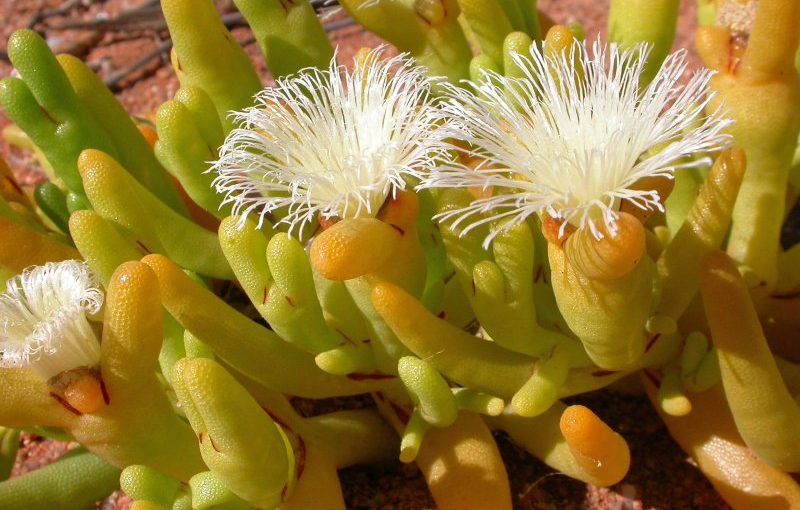
Namaqualand, South Africa – The remote Succulent Karoo desert, spanning South Africa and Namibia, has become a hotbed for the illegal trade of rare and protected succulent plants. Organized crime syndicates are capitalizing on the global demand for these unique species, creating a crisis with devastating social and ecological consequences.
“They’ve not just stolen our land or our plants; they’ve stolen our heritage,” laments a local livestock farmer, expressing frustration over the growing poaching crisis.
A biodiversity hotspot under threat
Succulents, known for their ability to retain water and thrive in arid climates, come in a wide range of shapes, sizes, and colors. Many of these species are endemic to the Succulent Karoo desert, making the region one of the world’s richest biodiversity hotspots.
Despite the potential to cultivate succulents in nurseries, the demand for wild-harvested plants persists. Buyers from the United States, Europe, and East Asia seek these rare plants, which are often smuggled and sold online. Some species are highly localized and vulnerable to extinction. “In South Africa, seven species have already been wiped out completely, and more are at risk,” warns Pieter van Wyk, a nursery curator at the /Ai /Ais-Richtersveld Transfrontier Park.
Organized crime exploiting local communities
The illegal trade intensified during the COVID-19 lockdown, with international traders recruiting local residents to poach succulents. Organized crime syndicates now manage operations, smuggling plants disguised as beef or hidden in vehicles with fake license plates.
“These syndicates market wild plants as exotic treasures, creating viral demand on social media and e-commerce platforms,” explains Van Wyk.
The impact on local communities has been severe. Malinda Gardiner of Conservation South Africa highlights the financial allure for impoverished residents. “This is a low-income area. People will exploit any opportunity for income,” she says.
A local farmer describes how poachers use screwdrivers to uproot succulents, transporting them in backpacks and sacks. The influx of money leads to binge drinking, drug use, and neglect of children. “It creates mistrust and division within our communities,” the farmer adds.
Efforts to combat poaching and raise awareness
South Africa’s government unveiled an anti-poaching strategy in 2022, including community education programs to emphasize the importance of protecting biodiversity. However, Van Wyk stresses that more action is needed to promote the legal cultivation of succulents, which could reduce demand for poached plants.
Globally, awareness campaigns are beginning to have an impact. In China, the Clean Internet for Conophytum initiative, launched in 2023, has reduced online advertisements for wild-harvested succulents by 80%. Linda Wong of the China Biodiversity Conservation and Green Development Foundation urges consumers to verify the origin of plants before purchasing. “The key is awareness. Once people understand the impact of their choices, they want to act responsibly,” Wong says.
The future
Van Wyk remains optimistic about the role of education and conservation in protecting South Africa’s unique flora. His nursery, which cares for over 200,000 confiscated plants, serves as a beacon of hope.
“It’s stressful to see these species disappearing,” he admits. “But studying and caring for these plants brings immense joy, reminding us of the beauty and resilience of nature.”
Conservationists worldwide are urging consumers to refrain from buying wild-harvested plants and instead support sustainable cultivation practices. As Van Wyk puts it, “South Africa has a precious resource. We need to find ways to protect it while ensuring that its benefits are shared responsibly.”
The fight to save South Africa’s succulents is not just about preserving plants; it’s about protecting heritage, biodiversity, and the livelihoods of local communities.
Torch Media Africa
Published By | Dickens Tiharihondijo