Written By |
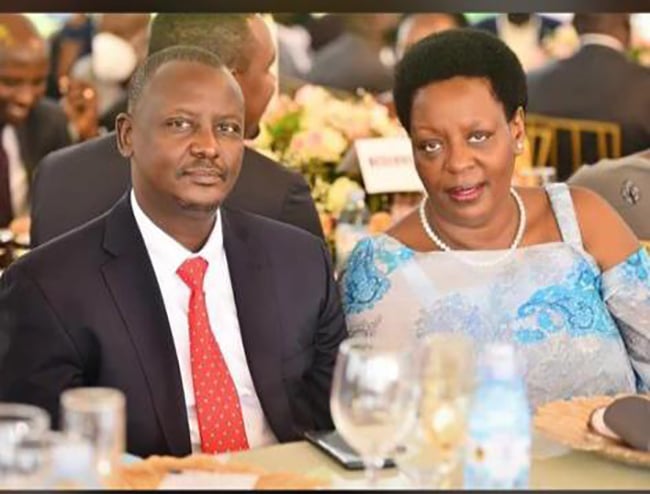
Katanga and his wife Molly
By Our Writer
The murder trial of businessman Henry Katanga took a significant turn on Thursday, as defence lawyers pressed the prosecution to fully disclose all evidential materials. The trial, which is closely watched due to the high-profile nature of the case, was adjourned to September 10 to allow the defence to prepare for the cross-examination of key witness Andrew Kizimula Mubiru, the Director of Forensics in the Uganda Police Force.
Mubiru had testified from Tuesday to Thursday last week, presenting DNA evidence and other forensic findings from the crime scene. He revealed that forensic experts recovered a bullet and a pistol magazine containing ten live rounds from the deceased's bed, crucial pieces of evidence in the ongoing trial.
The case, overseen by Justice Isaac Muwata, features a prominent legal team on both sides. The defence includes lawyers Peter Kabatsi, MacDosman Kabega, Jet Tumwebaze, Bruce Musinguzi, and Elison Karuhanga. The prosecution team is led by Assistant Director of Public Prosecutions Samali Wakooli, along with Chief State Attorneys Jonathan Muwaganya and Anna Kiiza. Notably, lawyer Mwesigwa Rukutana is monitoring the proceedings on behalf of Katanga’s family.
Katanga, a well-known businessman, died from a gunshot wound to the head on November 2, 2023, at his residence on Mbuya Chwa II Road in Kampala. His death has led to a trial involving multiple defendants, including Katanga’s wife Molly, her daughters Patricia Kakwanza and Martha Nkwanzi, a domestic worker named George Amanyire, and a nursing officer, Charles Otai. They face charges ranging from destroying evidence to being accessories after the fact to murder.
In court, prosecutor Wakooli sought to tender key documents as evidence, including the postmortem report and Police form 17A. However, defence lawyer Musinguzi objected, arguing that the proper process had not been followed for these documents to be admitted into evidence. The judge ruled that the chain of custody for the evidence needed to be established before it could be admitted.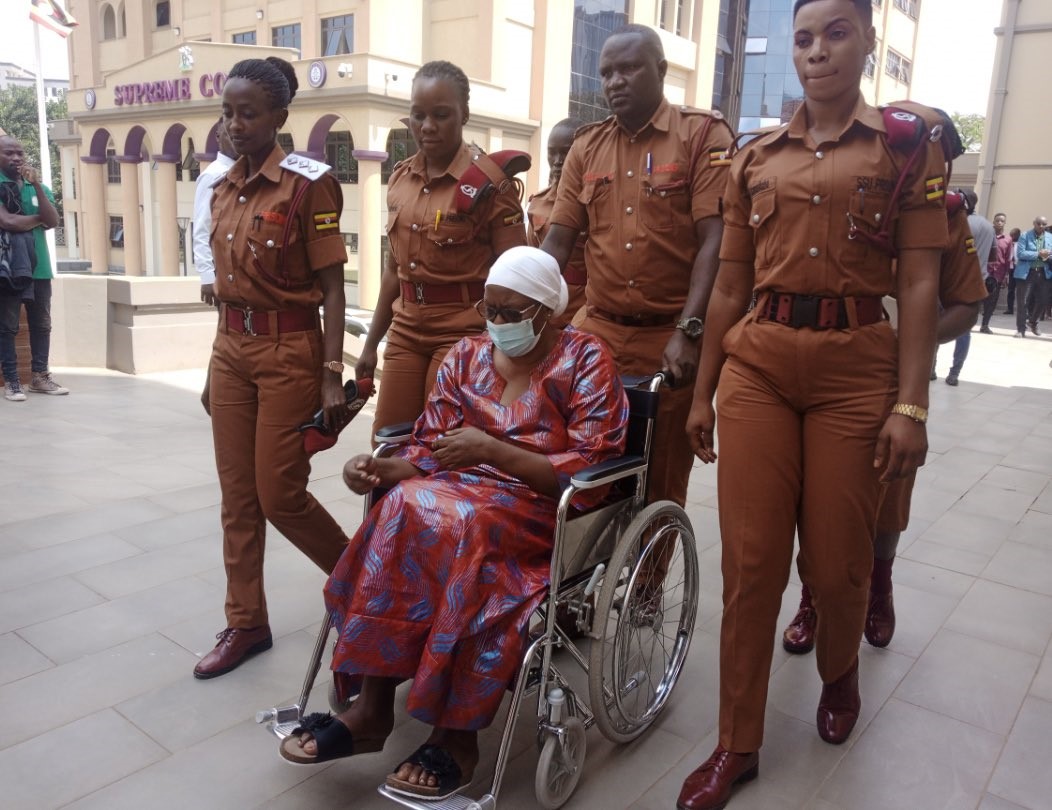
The defence team, led by Karuhanga, emphasized the importance of completing the chain of evidence. They argued that without testimony from the individuals who prepared certain documents, such as Police form 17A, the chain of custody was incomplete. Consequently, the judge agreed that these documents would only be marked for identification, not admitted as evidence.
During the proceedings, the prosecution methodically identified and presented numerous exhibits related to the case, including swabs, blood samples, and items recovered during the investigation. Each exhibit was carefully marked and tendered in court for identification.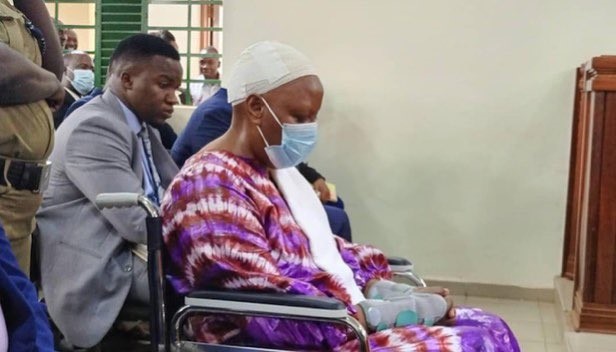
Molly Katanga
As the session concluded, defence lawyer Kabatsi reiterated the defence’s request for all evidential materials initially sought in a written request on May 29, 2024. He argued that without these materials, the defence would be unable to adequately prepare for cross-examination, potentially compromising the fairness of the trial.
In response, prosecutor Wakooli assured the court that the prosecution would disclose the evidential materials in its possession but clarified that they were only required to present evidence they intended to use in court.
Justice Muwata directed the prosecution to provide the requested evidential materials to the defence, adjourning the case until September 10, when the cross-examination of witness Mubiru will continue.
Torch Media Africa



