Written By |
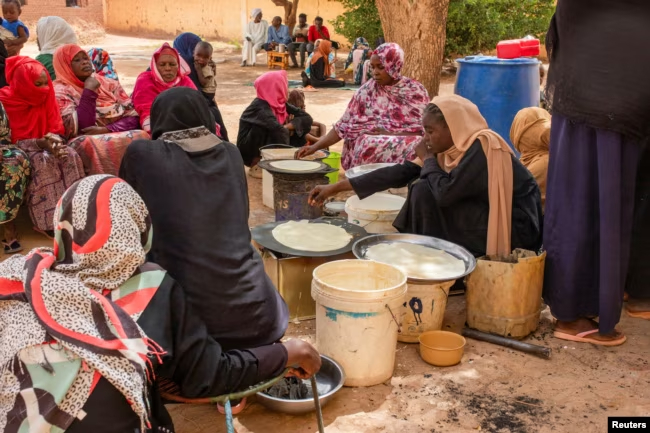
In a message ahead of World Food Day on October 16, Guterres reported that 733 million people are facing food shortages due to factors such as conflict, marginalization, climate change, poverty, and economic downturns
GENEVA — Despite global food production exceeding the needs of nearly 8 billion people, United Nations Secretary-General Antonio Guterres has highlighted that "hunger and malnutrition are a reality" for billions worldwide.
In a message ahead of World Food Day on October 16, Guterres reported that 733 million people are facing food shortages due to factors such as conflict, marginalization, climate change, poverty, and economic downturns.
The Food and Agriculture Organization (FAO), established 79 years ago on October 16, was tasked with improving access to safe, nutritious, and culturally acceptable food. However, Dominique Burgeon, director of the FAO Liaison Office in Geneva, noted during a press briefing that significant imbalances persist globally.
“One in 11 people worldwide go to bed hungry every day, and over 2.8 billion people cannot afford a healthy diet," Burgeon said. "We also face issues of stunting and wasting. As we speak, about 148 million children under the age of 5 are too short for their age, and 45 million are too thin for their height.”
The United Nations Children's Fund (UNICEF) stressed the grave condition of children suffering from wasting, which results from inadequate nutrition and repeated illness. These children are dangerously underweight, leaving their immune systems vulnerable and increasing the risk of growth failure, developmental issues, and death.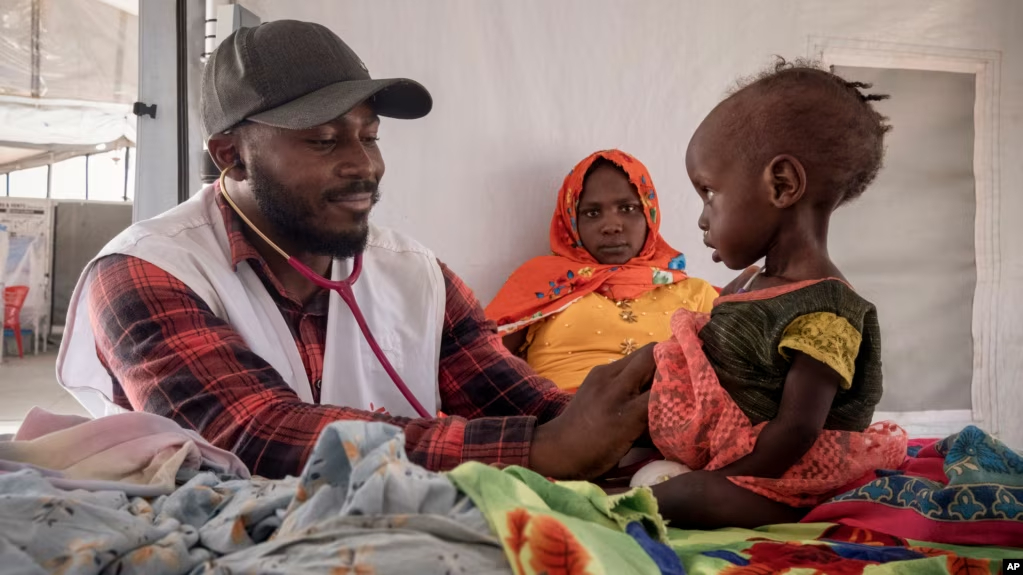
Severe wasting among children under 5 remains alarmingly high in many countries, driven by conflict, economic shocks, and climate crises
UNICEF launched a $165 million appeal to provide life-saving therapeutic food for nearly 2 million severely malnourished children in 12 of the hardest-hit countries, including Cameroon, Chad, the Democratic Republic of Congo, Kenya, Madagascar, Mali, Niger, Nigeria, South Sudan, Sudan, Pakistan, and Uganda.
“Severe wasting among children under 5 remains alarmingly high in many countries, driven by conflict, economic shocks, and climate crises,” UNICEF warned.
The International Committee of the Red Cross (ICRC) also expressed concern over the escalating hunger and malnutrition crisis across Africa. Yann Bonzon, head of the ICRC delegation for Nigeria, said that the ongoing conflict in the Lake Chad region, combined with climate change, continues to endanger vulnerable populations, especially young children.
“In northeast Nigeria, health facilities supported by the ICRC are treating severely malnourished children every day,” Bonzon said. “Desperate mothers tell us how their once-healthy children have grown weak and sick, and how providing food has become a daily struggle.”
Bonzon noted that over the past year, the number of malnourished children treated at ICRC-supported facilities in northeast Nigeria has increased by 24%. Humanitarian organizations estimate that nearly 6.1 million people in the Lake Chad region will face food shortages in the coming months, the highest figure in four years.
Farmers in the region report that rampant insecurity due to conflict has prevented them from planting crops, while climate shocks have destroyed harvests, contributing to the deepening food crisis across Cameroon, Chad, Niger, and Nigeria.
Southern Africa faces a similar scenario, with the United Nations warning that an El Niño-induced drought could lead to a full-scale humanitarian catastrophe without international support. The World Food Program (WFP) reported that the historic drought has devastated more than 27 million people across the region, with 21 million children suffering from malnutrition.
“For many communities, this is the worst food crisis yet,” said Tomson Phiri, WFP spokesperson for Southern Africa. “October marks the start of the lean season in Southern Africa, and conditions are expected to worsen until the next harvest in March and April. Crops have failed, livestock has died, and children are lucky to get one meal a day.”
The WFP said five countries – Lesotho, Malawi, Namibia, Zambia, and Zimbabwe – have declared the hunger crisis a "state of disaster" and are appealing for international assistance. Angola and Mozambique are also severely affected.
Despite the urgent need, the WFP noted that global appeals for aid have gone largely unanswered. "We have received only one-fifth of the $369 million needed to provide life-saving assistance to millions in southern Africa," the agency said.
Source: VOA



