Written By | Staff Writer
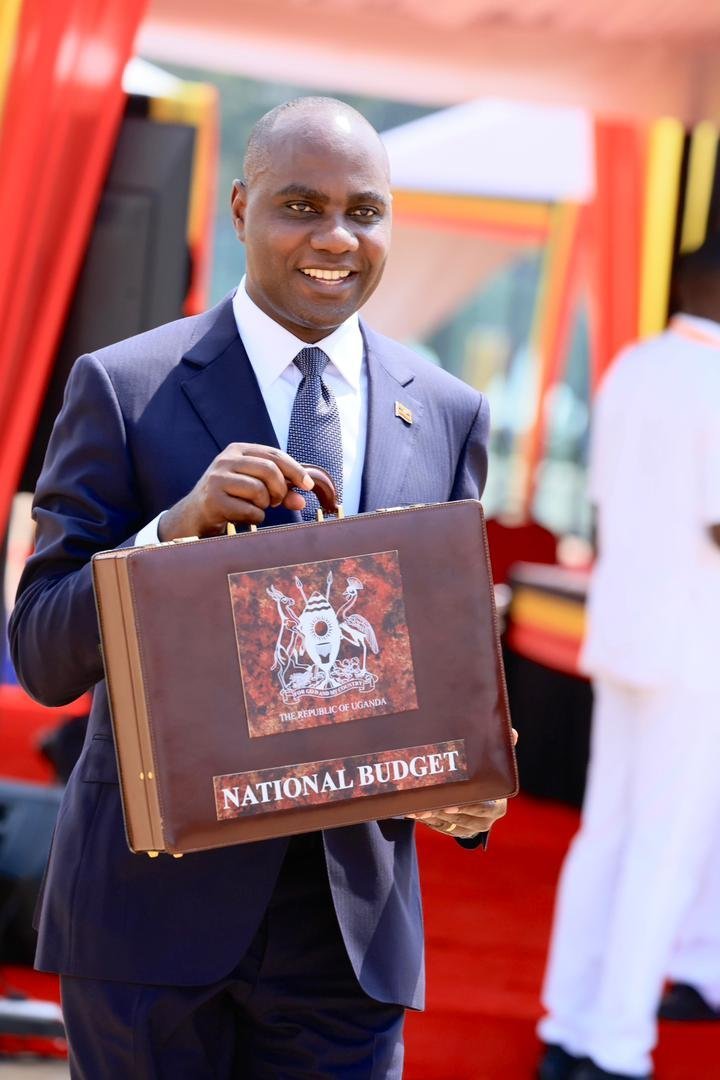
According to the approved budget, government expects to raise billions of shillings through the revised tax regime while also introducing a few relief measures for workers and small businesses
Kampala
Ugandans should prepare for higher prices on several goods and services following the approval of new tax measures under the Financial Year 2026/27 Budget. The changes, aimed at increasing domestic revenue, affect fuel, alcoholic beverages, cooking oil, cement, imported second-hand clothes, motorcycles, gaming, sugar, and single-use plastics, among other sectors.
According to the approved budget, government expects to raise billions of shillings through the revised tax regime while also introducing a few relief measures for workers and small businesses.
Motorists will be among the first to feel the impact after excise duty on both petrol and diesel was increased by Shs200 per litre, a measure expected to generate Shs450 billion in revenue.
Consumers of selected alcoholic beverages will also pay more after excise duty on Uganda Waragi, brandy, cognac and Amarula was raised from Shs1,700 to Shs3,500, with government projecting Shs85 billion in additional revenue.
The duty on cooking oil has doubled from Shs200 to Shs400, while the levy on cement has increased from Shs500 to Shs750 per 50-kilogramme bag. Government expects to collect Shs25 billion and Shs15 billion respectively from the two measures.
Importers of second-hand clothing will also face higher costs after tax on imported used clothes was increased from 15 percent to 30 percent, a move expected to encourage local textile production while boosting tax collections.
Motorcycle owners registering their bikes for the first time will now pay Shs500,000, up from Shs200,000, with the measure projected to raise Shs26 billion.
The gaming industry has also been targeted, with tax on betting and gaming companies increasing from 20 percent to 30 percent.
Government has, however, offered relief to low-income earners by raising the monthly Pay As You Earn (PAYE) threshold from Shs235,000 to Shs335,000. This means employees earning up to Shs335,000 per month will no longer be subject to PAYE deductions.
Environmental protection also features prominently in the new tax measures. Duty on single-use plastics has increased sharply from 2.5 percent to 25 percent per tonne, a policy expected to generate Shs10 billion while discouraging plastic pollution.
Landlords will also experience changes in tax administration after government introduced monthly payment of rental income tax, replacing the previous arrangement where payments were generally made through annual income tax returns.
Vehicle owners transferring ownership will now pay stamp duty of Shs30,000 for motorcycles, tricycles and quadricycles, and Shs200,000 for other motor vehicles. The measure is expected to generate Shs25 billion.
Consumers are also likely to pay more for sugar after duty on the commodity doubled from Shs100 to Shs200 per kilogramme, a move projected to raise Shs25 billion.
Meanwhile, small businesses have received a boost after government increased the annual VAT registration threshold from Shs150 million to Shs300 million. Businesses with annual sales below Shs300 million will no longer be required to register for and charge Value Added Tax (VAT).
The new tax measures are intended to strengthen domestic revenue mobilisation and support financing of the FY2026/27 national budget, although economists expect some of the changes to increase the cost of living as businesses pass on higher tax costs to consumers.



