Written By |
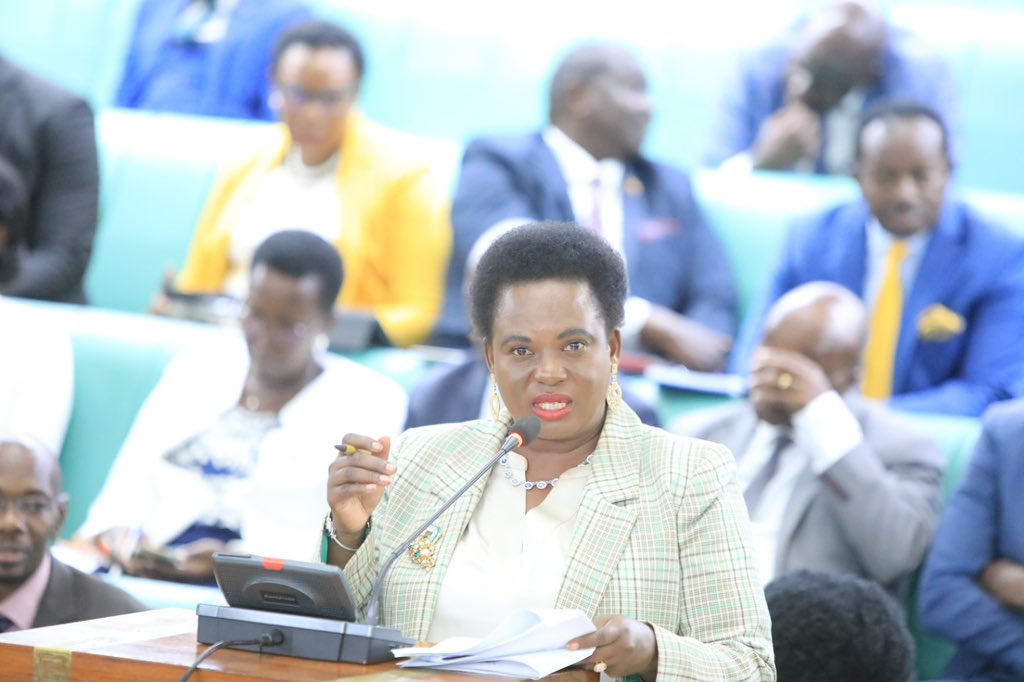
Minister Amongi
By Our Reporter
Parliament
One year, three months, and seven days after President Yoweri Kaguta Museveni returned the Employment (Amendment) Bill, 2022 for reconsideration, Parliament has now passed the Employment (Amendment) Bill, 2023, incorporating several presidential recommendations.
The Bill, originally introduced to amend the Employment Act, 2006, aimed to operationalize Article 40 of the Constitution, extending labor rights to all categories of workers in Uganda. Its key provisions included:
Regulating employment conditions for domestic workers and casual employees.
Mandatory registration and licensing of recruitment agencies for domestic and non-manual laborers.
Establishing a clear formula for severance pay while removing restrictive conditions for its payment.
Regulating the recruitment and employment of migrant workers.
Expanding sexual harassment protections in the workplace.
Providing safeguards for breastfeeding mothers, including employer-mandated policies and facilities.
Allowing casual employment to convert into term contracts after continuous work beyond six months.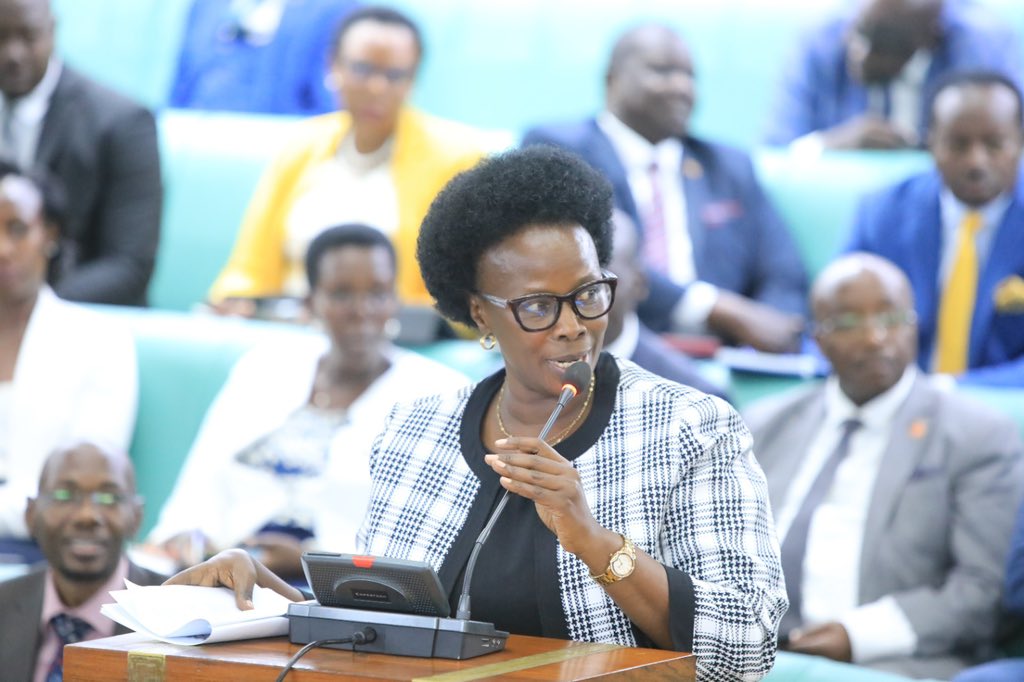
However, in his letter dated November 13, 2023, President Museveni raised several concerns, leading to the Bill’s return under Article 91(3)(b) of the 1995 Constitution. He argued that:
Parliament has now amended the Bill to reflect these recommendations, balancing workers' rights with the operational realities faced by employers.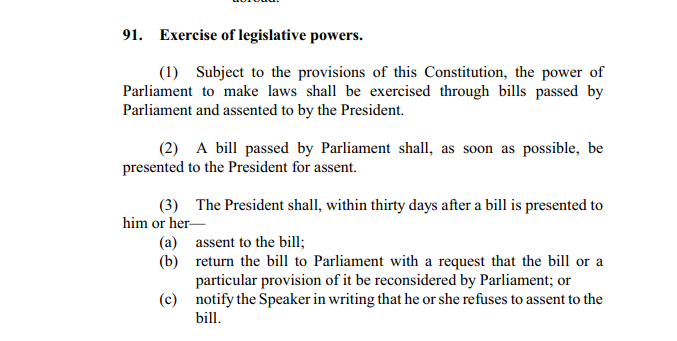
A win for workers?
Labor rights advocates see the revised Bill as a step forward in protecting vulnerable workers, especially domestic laborers and migrant employees. The inclusion of mandatory licensing for recruitment agencies is expected to curb exploitation and ensure accountability. Similarly, the decision to uphold judicial control over labor disputes aims to reinforce legal consistency and fairness in resolving employment conflicts.
However, some critics argue that removing the automatic conversion of casual employment to contracts may continue to leave certain workers in a precarious state without long-term job security.
Building a fair labor future
The passing of the Employment (Amendment) Bill, 2023, represents the government’s effort to modernize labor laws while balancing the interests of workers and employers. As Uganda continues to grapple with labor challenges, the effectiveness of these amendments will largely depend on their implementation and enforcement on the ground.
The Bill now awaits presidential assent to become law, with many hoping that it will usher in a fairer and more secure working environment for all Ugandans.
“This Bill is about dignity in work,” said a member of Parliament during the plenary debate. “It’s about ensuring that both workers and employers can engage in a system that is just, transparent, and beneficial to the growth of our economy.”
With these amendments, the country moves closer to aligning its labor laws with international standards, safeguarding the rights of workers while supporting the nation's economic ambitions.
Torch Media Africa



