Written By | Fashion Experts
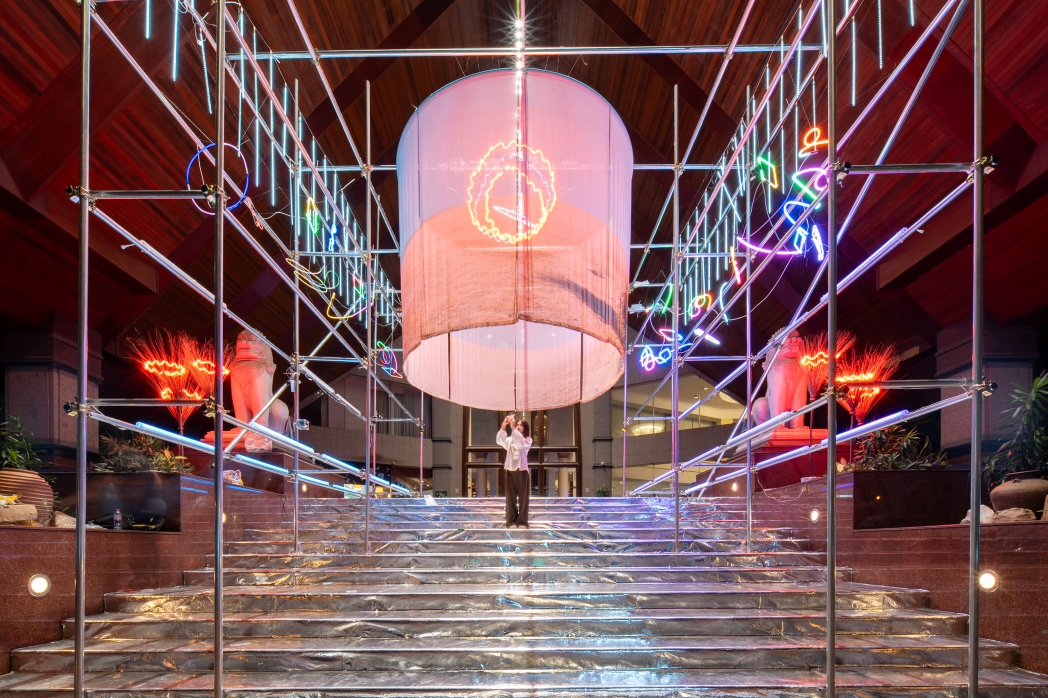
For nine days in Khon Kaen, Thailand's long-overlooked northeastern region stakes its claim as a design capital — proving that creative economy doesn't have to start in a nation's biggest city.
KHON KAEN, THAILAND
While Bangkok has spent decades as the undisputed center of Thai design and creative industry, a very different kind of design story has been building 450 kilometers to the northeast, in a provincial capital most international visitors have never heard of. Today marks the opening of the sixth annual Isan Creative Festival in Khon Kaen — a nine-day showcase, running through July 19, built around a deceptively simple but genuinely ambitious premise: that Thailand's most culturally rich, historically overlooked region can become a design destination on its own terms, without needing to imitate the capital.
This year's theme, "Northeast Modern: Abundance | Adaptation | Connectivity," is more than a curatorial tagline. It's a statement of intent from the Creative Economy Agency (CEA), the government body organizing the festival, about what kind of design conversation Isan — Thailand's largest and most populous region, historically associated with agriculture, folk textile traditions, and economic migration to Bangkok rather than cutting-edge creative industry — is now positioned to lead.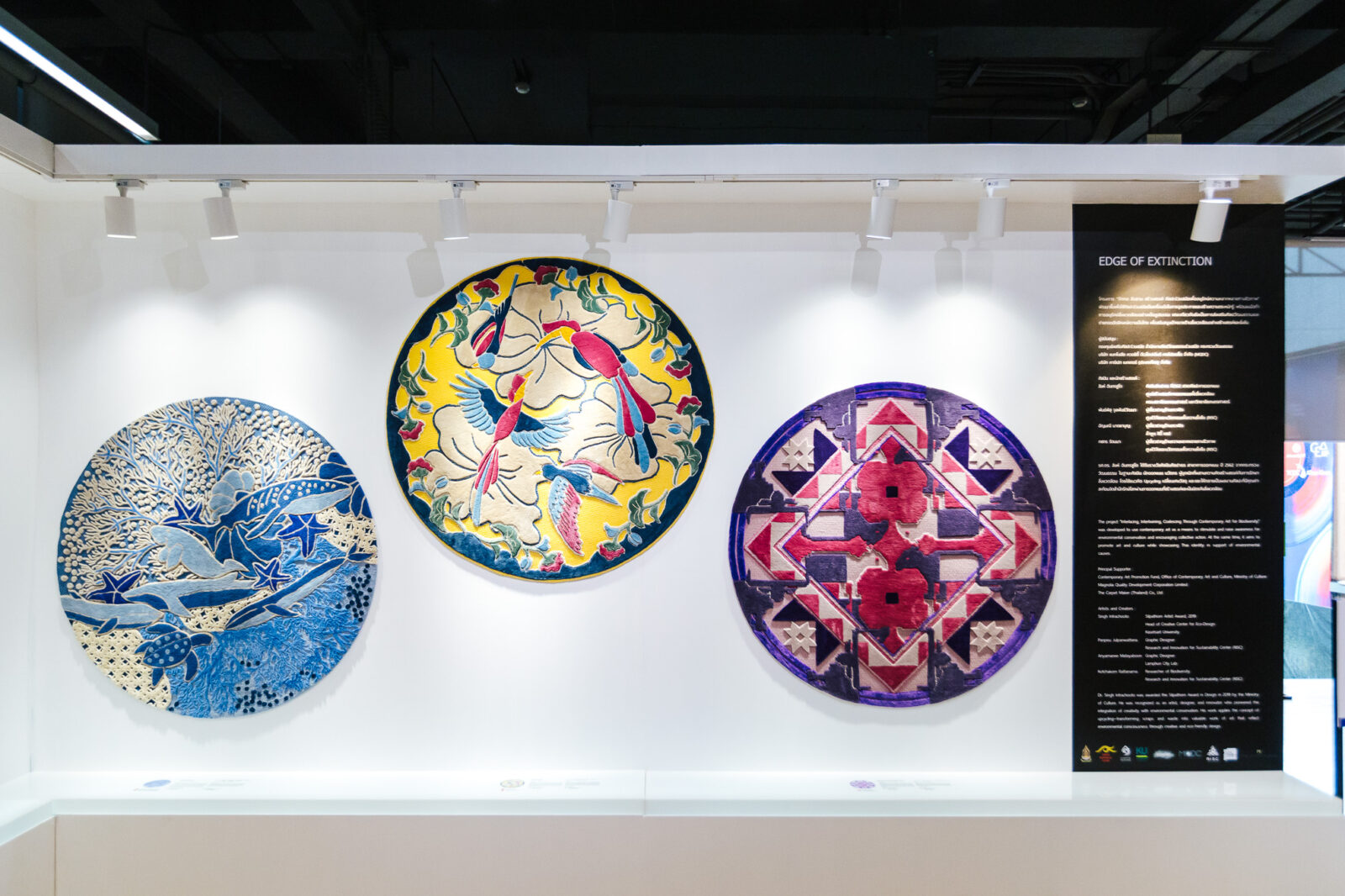
What's Actually Happening
The festival spans four main venues — TCDC Khon Kaen, the Central Khon Kaen Campus, the Srichan Creative District, and the Khon Kaen International Convention and Exhibition Center (KICE) — with satellite programming reaching across all 20 provinces of northeastern Thailand. Organizers have built out more than 200 individual programs across seven formats: an academic program, a creative business platform, showcases and exhibitions, talks and workshops, entertainment programming, the D-KAK night market, and a dedicated creative district project embedded in Khon Kaen's urban fabric itself.
Running daily from 11am to 9pm, the sheer scale of programming — closer to a citywide biennale than a single trade show — reflects an approach the CEA has refined over six editions: rather than importing a Bangkok-style design week format wholesale, the festival has increasingly leaned into what makes Isan distinct. Local textile traditions, regional cuisine, Isan music and language, and the area's particular relationship to land and agriculture all show up not as folkloric decoration but as active source material for contemporary design thinking.
Khon Kaen University's architecture faculty has partnered directly with the CEA on this year's edition, reinforcing an academic dimension to the festival that treats it as seriously as a research platform as it does a public celebration — a distinction that matters for a region trying to build durable creative infrastructure rather than a one-week spectacle.
Why Isan, Why Now
The choice to build a major creative economy platform in northeastern Thailand rather than Bangkok is itself the most interesting design decision embedded in the festival. Isan has historically been characterized in national conversation by outmigration — young people leaving for work in Bangkok or abroad — and by a persistent gap between the region's cultural wealth and its economic opportunity. The "Northeast Modern" framing directly challenges that narrative, positioning Isan's "abundance" (its agricultural resources, culture, and population scale as Thailand's largest region) alongside "adaptation" and "connectivity" as the actual foundation for a 21st-century creative economy, rather than treating those traditions as things to be preserved in amber while opportunity happens elsewhere.
That framing has real economic stakes behind it. Thailand's Creative Economy Agency has spent the better part of a decade trying to prove that design-led development can work outside the capital — that a creative district, a design museum, and a sustained festival calendar can generate the kind of local economic activity, tourism revenue, and youth retention that used to require a move to Bangkok. Khon Kaen, as the unofficial capital of Isan and home to one of Thailand's largest universities, has become the CEA's primary proving ground for that thesis.
A Regional Model With Global Echoes
Isan Creative Festival's approach — a government-backed creative agency building sustained, place-specific design infrastructure in a historically underinvested region — mirrors strategies design observers have tracked in similar "second city" creative economy pushes elsewhere: Lyon's design scene relative to Paris, Fukuoka's relative to Tokyo, or Medellín's transformation relative to Bogotá. What distinguishes the Isan case is the explicit framing of regional identity — language, food, textile craft, agricultural rhythm — as the design content itself, rather than an aesthetic backdrop for imported creative industry norms.
For visiting designers, the appeal is increasingly less about novelty tourism and more about genuine professional interest: a chance to study how craft traditions like Isan's mudmee ikat weaving or regional ceramics techniques are being actively reinterpreted by a new generation of designers working in product design, architecture, and digital media, rather than treated purely as heritage preservation projects.
What This Means for Travelers and Design Watchers
For anyone tracking where design conversation is actually happening in 2026 — as opposed to where the major fashion and furniture fairs have always been held — Isan Creative Festival represents a genuinely different model worth watching. It's free and open to the public across most programming, making it one of the more accessible major design events globally, and its nine-day span through July 19 makes it a realistic addition to a Southeast Asia travel itinerary for anyone already planning to pass through Thailand this summer.
More broadly, the festival is a useful case study in a question increasingly relevant to design and creative economy policy worldwide: whether meaningful creative industry growth requires concentration in a single dominant city, or whether it can be deliberately, sustainably built in a region long defined by what it lacked rather than what it has. Six years into the experiment, Khon Kaen's answer looks like a cautious but real yes.
The Bottom Line
Isan Creative Festival 2026 isn't trying to out-Bangkok Bangkok, and that restraint is precisely what makes it worth watching. By treating the northeast's own cultural abundance as the raw material for contemporary design rather than an obstacle to modernization, the festival — and the broader Creative Economy Agency strategy behind it — offers a genuinely different template for regional design development. Over nine days in Khon Kaen, "Northeast Modern" isn't just a festival theme. It's an argument that Thailand's design future doesn't have just one address.



