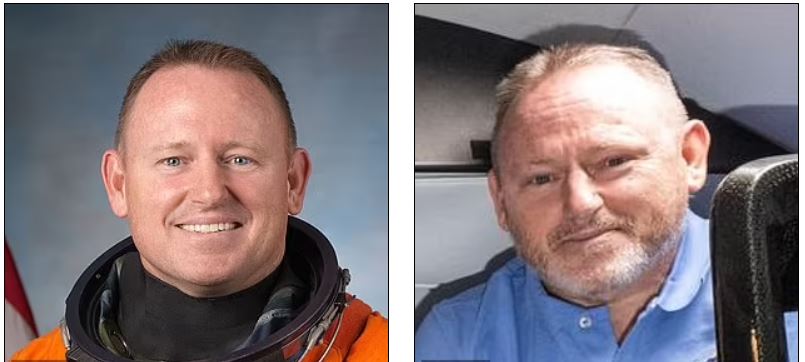
NASA Astronauts Return to Earth Frail and Gaunt—What Happens to the Body After Nearly a Year in Space?
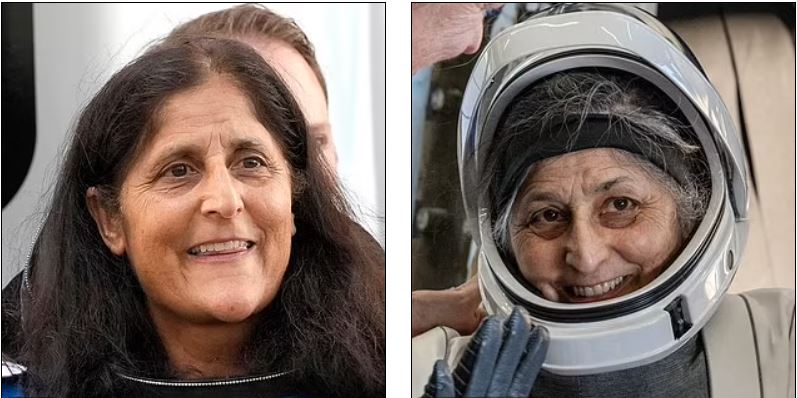
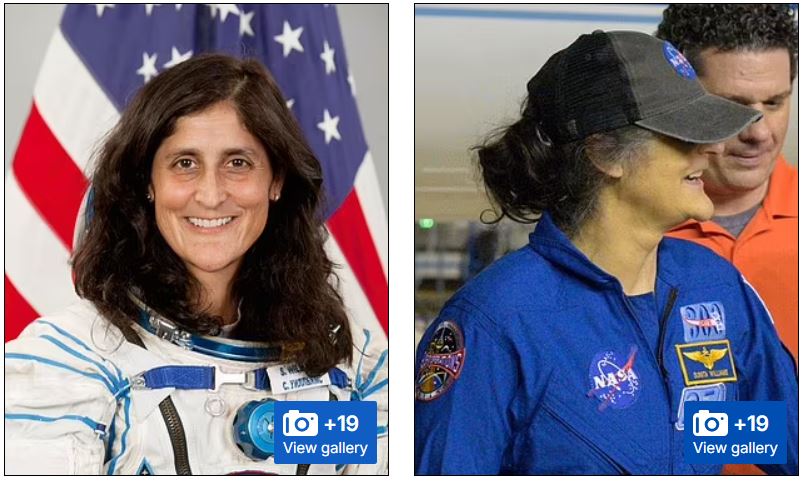
After an unexpected 286 days in space, NASA astronauts Butch Wilmore and Suni Williams have finally returned to Earth. Their extended stay aboard the International Space Station (ISS) has left them physically weakened, with experts warning that they could face years of health complications due to prolonged exposure to microgravity and space radiation. As the world watched their return, medical teams rushed to assist them out of the SpaceX Crew Dragon capsule and onto stretchers—standard protocol for astronauts who, after months in space, struggle to stand or walk under the crushing force of Earth's gravity.
But the visible signs of their ordeal—weight loss, muscle atrophy, and a gaunt appearance—are only the beginning. Scientists have long studied the harsh toll space travel takes on the human body, and the findings are both startling and unsettling.
Vision loss and cognitive decline
One of the lesser-known but significant effects of long-term space travel is vision impairment caused by fluid buildup in the head. This condition, known as Spaceflight Associated Neuro-Ocular Syndrome (SANS), occurs when the shift in bodily fluids presses on the optic nerve, leading to: Blurry vision, Flattening of the eyeball, Swelling of the optic nerve and Retinal folds
NASA reports that 70% of astronauts experience vision problems in space, and while many recover after returning to Earth, some suffer permanent damage.
Additionally, studies suggest that prolonged exposure to microgravity can impact cognitive function. Astronauts have shown: Slower processing speeds, Impaired memory and attention and Increased risk-taking behavior.
While these effects typically reverse over time, the longer the mission, the greater the potential for long-term damage—a concerning reality for Wilmore and Williams, given their record-breaking stay.
Muscle and Bone Loss: the struggle to stand again
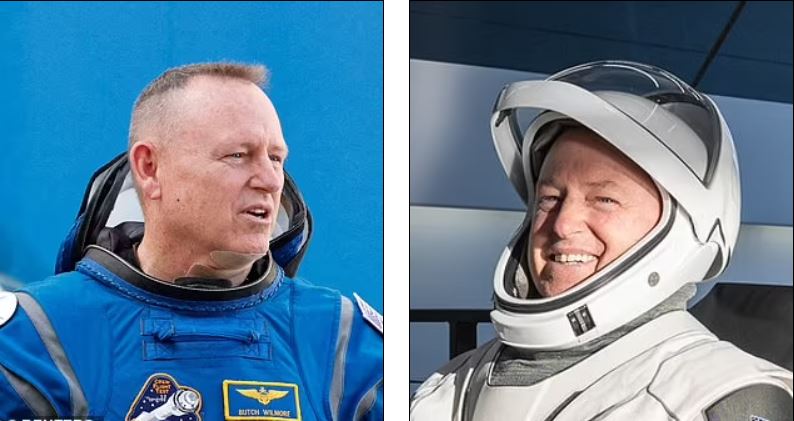
Perhaps the most dramatic transformation in astronauts returning from space is their loss of muscle and bone density. Without Earth's gravitational pull, the body weakens, leading to: Muscle atrophy, loss of bone mass and extreme frailty upon return.
Despite exercising two hours daily aboard the ISS, astronauts can lose up to 20% of their muscle mass and bone density equivalent to decades of aging.
As seen during their dramatic landing, Wilmore and Williams had to be carried from their capsule, unable to walk under their own strength. Experts estimate they may need up to six weeks of rehabilitation to recover basic mobility, though some astronauts never fully regain their pre-flight bone density.
Weight loss and nutritional struggles
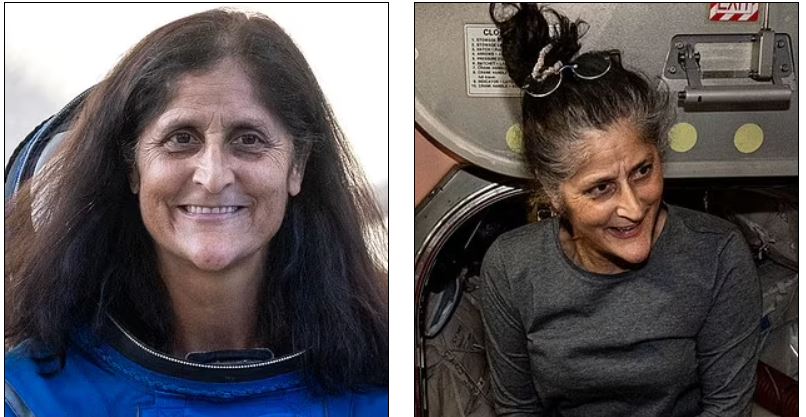
Microgravity doesn’t just weaken muscles—it affects appetite. Astronauts often struggle to maintain weight due to: Frequent nausea, loss of smell and taste and difficulty consuming the high-calorie diet required for survival.
In November, concerns grew over Williams’ appearance, as she looked visibly gaunt in photos taken aboard the ISS. Reports suggested NASA was scrambling to stabilize her weight loss, though Williams later denied these claims, stating she had gained muscle despite the challenges of eating in space.
Fluid Shift: The Cause of ‘Puffy Faces’ and ‘Chicken Legs’
In microgravity, bodily fluids—such as blood and water—drift upward toward the head. This leads to: Swollen faces ('puffy face syndrome'), thinner legs ('chicken legs') and a higher risk of blood clots (Spaceflight Venous Thrombosis - SVT).
NASA estimates that over 5.6 liters of fluid shift toward the upper body, causing astronauts’ heads to appear swollen while their legs become thin and weakened. Though this usually resolves within days of returning to Earth, the risk of blood clots and circulation issues remains a serious concern.
Radiation Exposure: The silent killer
Space is a radiation-filled environment, and spending months outside Earth's protective atmosphere significantly increases astronauts' exposure to harmful cosmic rays.
In just one week on the ISS, astronauts receive as much radiation as they would in one year on Earth. Over time, this exposure can: Damage DNA and cause genetic mutations, increase cancer risk, weaken the immune system and affect the central nervous system. Dr. Vinay Gupta, a pulmonologist and Air Force veteran, warns that Wilmore and Williams may need increased cancer screenings due to their prolonged exposure.
Heart Health: How space weakens the cardiovascular system
Long-term space travel doesn’t just impact bones and muscles—it weakens the heart. With fluids shifting upwards, the cardiovascular system doesn’t have to work as hard, leading to: Reduced blood volume, weakening of heart muscles and increased risk of cardiovascular disease. NASA has documented lasting changes in the heart's structure and function, some of which never fully recover after returning to Earth.
The long road to recovery
NASA follows a rigorous rehabilitation plan to help astronauts regain strength. Their post-mission recovery is divided into three phases:
Phase 1: Regaining Basic Mobility
- Gait training (learning to walk again)
- Balance and coordination exercises
- Stretching and flexibility training
Phase 2: Strength and Endurance Training
- Weight-bearing exercises to rebuild bone density
- Cardio training to restore heart function
- Proprioceptive exercises to retrain movement awareness
Phase 3: Full Physical Restoration
- High-intensity training (jump squats, planks, deadlifts)
- Osteogenic loading exercises to stimulate bone regrowth
- Long-term health monitoring
While most astronauts recover within 45 days, some experience lasting damage, particularly in bone density and cardiovascular health.
The Future of Space Travel: Are humans ready?
Wilmore and Williams' extended stay on the ISS was not part of the plan, and their physical transformation is a stark reminder of the toll space takes on the body. As humanity looks toward longer missions—to Mars and beyond—scientists must find ways to mitigate these risks.
Whether through new exercise regimens, improved spacecraft shielding, or medical advancements, one thing is clear: space is not designed for humans, and the human body is not designed for space.
The question remains—how much more can we endure?
Source: Daily Mail
Published By | Dickens Tiharihondijo