Written By |

Helen Nakimuli, the Shadow Minister of ICT
By Our Reporter
Parliament – The Opposition has urged the government to invest more in Uganda’s cybersecurity infrastructure following a staggering 93.5% increase in cybercrime cases in 2024. This rise led to financial losses amounting to Shs72.125 billion, with only Shs420 million successfully recovered. The call was made by Helen Nakimuli, the Shadow Minister of ICT, in her Alternative Ministerial Statement. Nakimuli expressed deep concern over the country’s weak digital security, pointing to low digital literacy rates among Ugandans. She cited data indicating that by 2021, only 20% of Ugandans were digitally skilled, and by 2023, just 1.5 million people had received some form of digital training.
“This speaks to the fact that personal data and networks are insecure and susceptible to cybercrime. The ubiquity of cyber incidents could increase the impact of attacks and significantly damage trust in ICT and the digital economy. Many SMEs rely on confidential and sensitive data, making cybersecurity a necessity,” Nakimuli stated.
She further emphasized the need for stronger regulatory and legal measures to define responsibilities for cybersecurity, ensuring that individuals and businesses are adequately protected.
“It is critical to improve nationwide connectivity, enhance support for digital entrepreneurs, increase access to digital devices and services, foster digital literacy, and strengthen cybersecurity and data protection. Digital transformation must be leveraged to drive economic growth and development,” she added.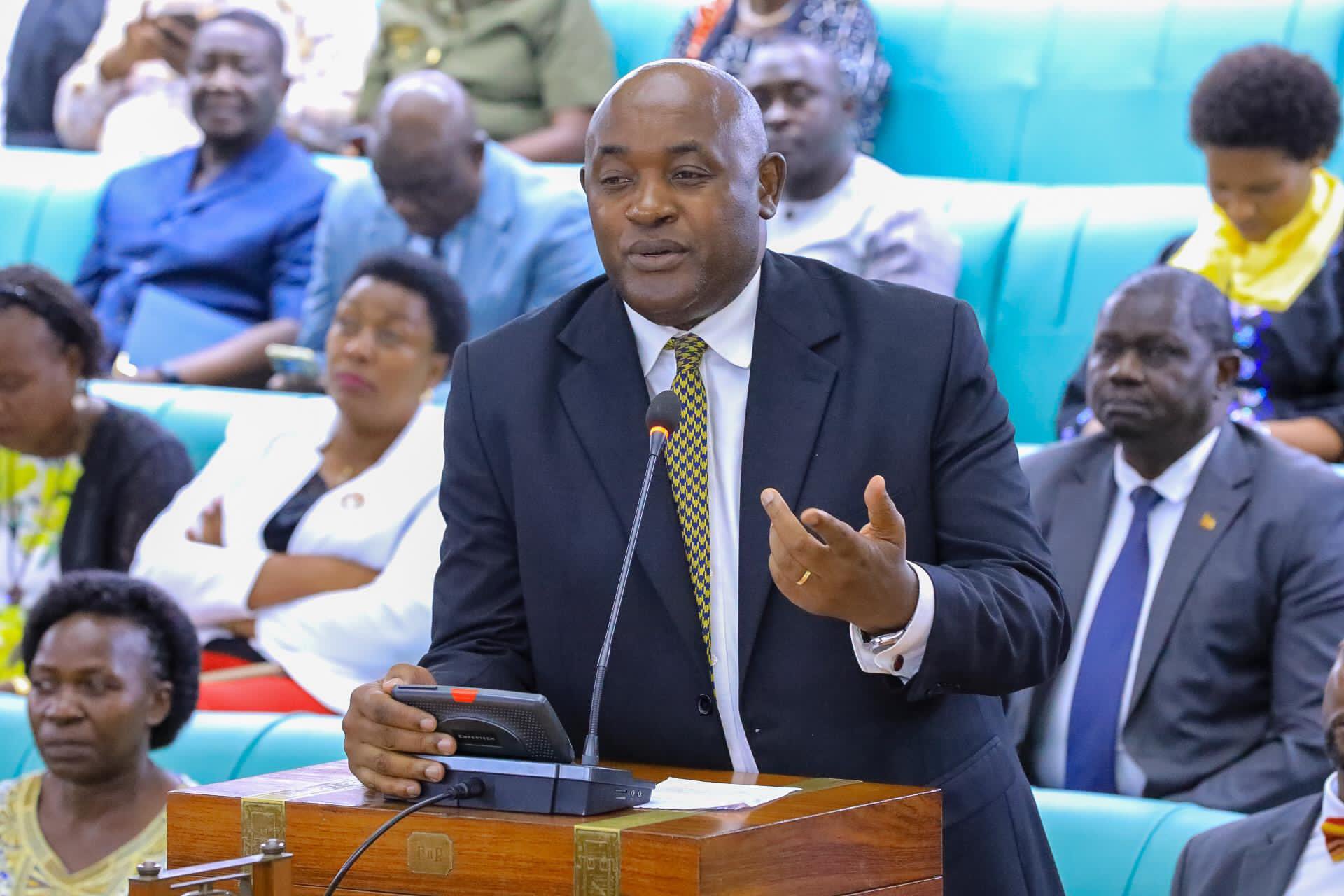
Baryomunsi, ICT Minister
High internet costs a carrier to digital growth
The Opposition also raised concerns over Uganda’s high internet costs, which they say hinder digital expansion. Currently, Ugandans pay an average of US$35 (Shs128,590) per megabyte per second (Mbps) for regular internet and US$85 (Shs312,290) per Mbps per month for commercial internet service providers (ISPs).
Additionally, the cost of entry-level smartphones in Uganda ranges between Shs200,000 and Shs500,000, making digital access expensive for many citizens.
“These high costs negatively impact internet penetration and slow down the rollout of e-Government services. Many Ugandans are unable to afford internet access, which limits digital inclusion and the country’s technological progress,” Nakimuli remarked.

Slow digital literacy growth
Nakimuli also pointed out that despite efforts to improve digital literacy, progress remains slow. With Uganda’s population exceeding 45 million people, the 1.5 million individuals trained in digital skills by 2023 represent just 3% of the total population.
“The digital skilling program is meant to promote digital literacy among underserved communities to boost the use of e-Government services. However, its implementation has been sluggish,” Nakimuli observed.
The Opposition has called for urgent interventions to ensure that Uganda’s digital transformation is inclusive, secure, and sustainable. They emphasized that cybersecurity, affordable internet, and digital literacy must be prioritized to unlock the full potential of Uganda’s digital economy.
Torch Media Africa



