Written By | Health News Agencies
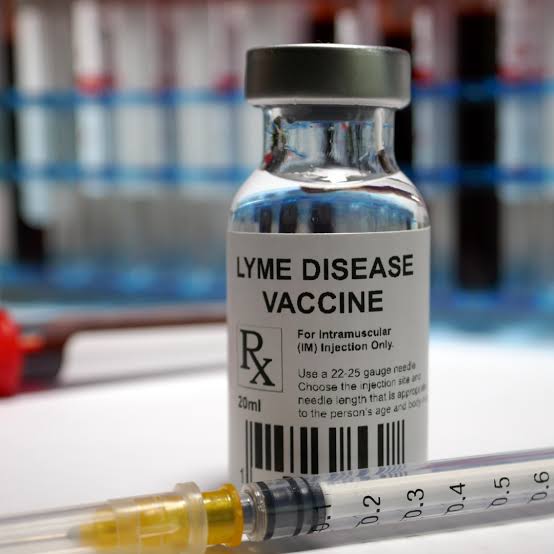
Lyme disease is surging right now. Emergency visits for tick bites were up over 25% in April 2026 compared to last year — the highest April rate since 2017.
For the first time in nearly a quarter-century, science has a real answer to Lyme disease.
Pfizer and French biotech Valneva announced their investigational vaccine, PF-07307405, demonstrated strong efficacy in the pivotal Phase 3 VALOR trial — putting the world closer than it has been since 2002 to a shot that can stop Lyme disease before it starts.
The Numbers That Matter
In pre-specified analyses, the vaccine showed 73.2% efficacy starting 28 days after the fourth dose during the second tick season, and 74.8% efficacy starting just one day after that same dose. Vaccinated participants were roughly three-quarters less likely to develop confirmed Lyme disease than those who got the placebo.
The vaccine was "well tolerated with no safety concerns identified" — critical language given that the last Lyme vaccine, LYMErix, was pulled in 2002 amid public fears (later largely discredited) about autoimmune side effects.
The VALOR trial enrolled 12,547 adults and children aged five and older across high-risk areas, randomly assigned to receive either four doses of vaccine or saline placebo.
How It Works
LB6V targets OspA — a protein on the surface of the Borrelia burgdorferi bacterium while it's still inside the tick. When a vaccinated person is bitten, antibodies get sucked up with the blood meal and attack the bacteria in the tick's gut, preventing transmission to humans. It's a six-valent shot covering six different bacterial strains.
Why the Timing Is Urgent
Lyme disease is surging right now. Emergency visits for tick bites were up over 25% in April 2026 compared to last year — the highest April rate since 2017. Climate change is driving warmer winters, allowing ticks to survive and expand into new regions like Ohio, Kentucky, and West Virginia.
Officially, about 89,000 Lyme cases are reported annually, but researchers estimate the true number is closer to half a million due to underdiagnosis.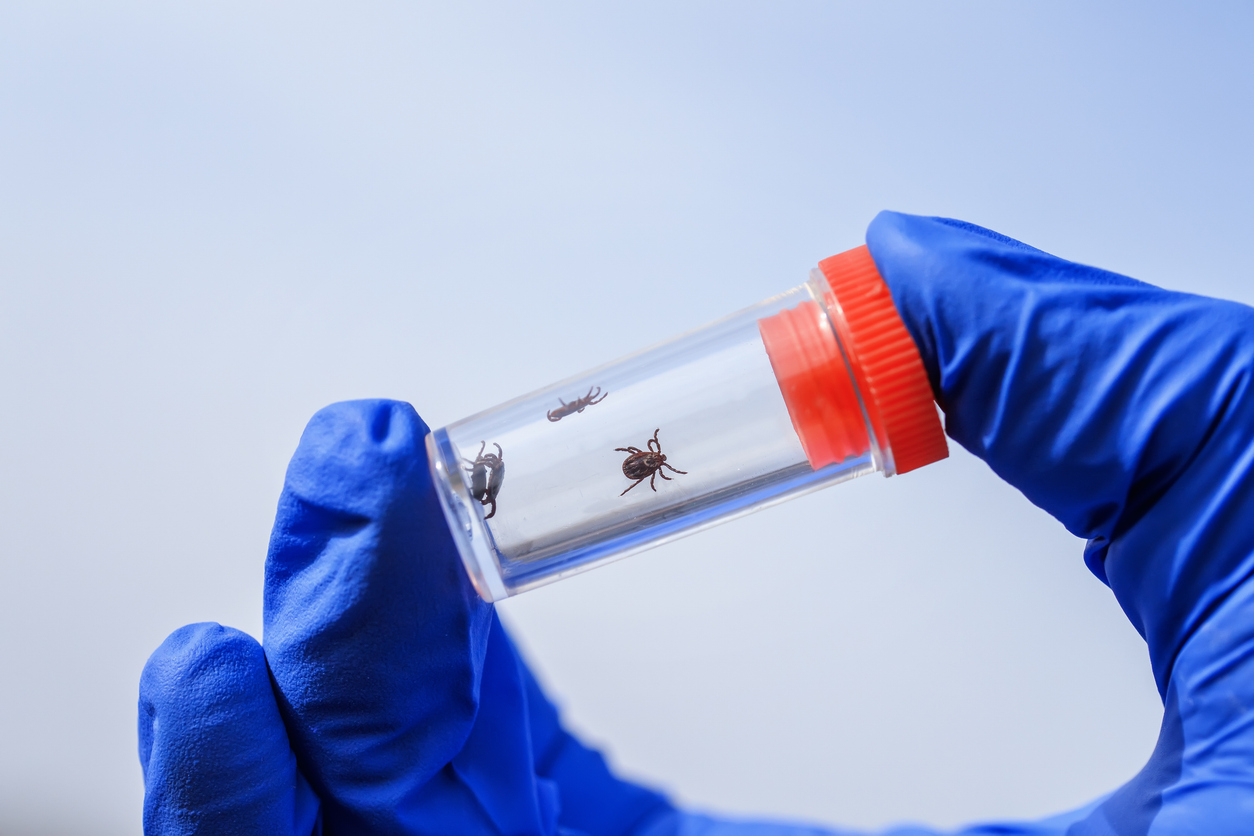
A Painful History
LYMErix, approved in 1998, was pulled in 2002 after safety fears — never scientifically substantiated — destroyed public confidence. Cases have climbed steadily in the 24 years since, with no vaccine option available.
What Happens Next
Pfizer plans to submit FDA and European applications later in 2026, with potential U.S. market availability in 2027 — meaning this year's brutal season and likely next year's will pass before any vaccine reaches the public.
The trial included children as young as five, addressing a population disproportionately affected by Lyme disease.
What This Means for You
If you live in a high-risk area, the vaccine isn't available yet. Prevention advice remains: check for ticks after outdoor time, shower soon after coming inside, treat gear with permethrin, and remove attached ticks promptly.
The Bottom Line
Twenty-four years after fear killed America's only Lyme vaccine, science has produced a worthy successor — with stronger data, broader strain coverage, and a clean safety profile so far. It's arriving amid the worst tick season in nearly a decade, a reminder of why we couldn't afford another 24-year gap.
Sources: Pfizer, Valneva, CIDRAP, Johns Hopkins, CDC tick-bite surveillance data



