Written By | Health News Agencies
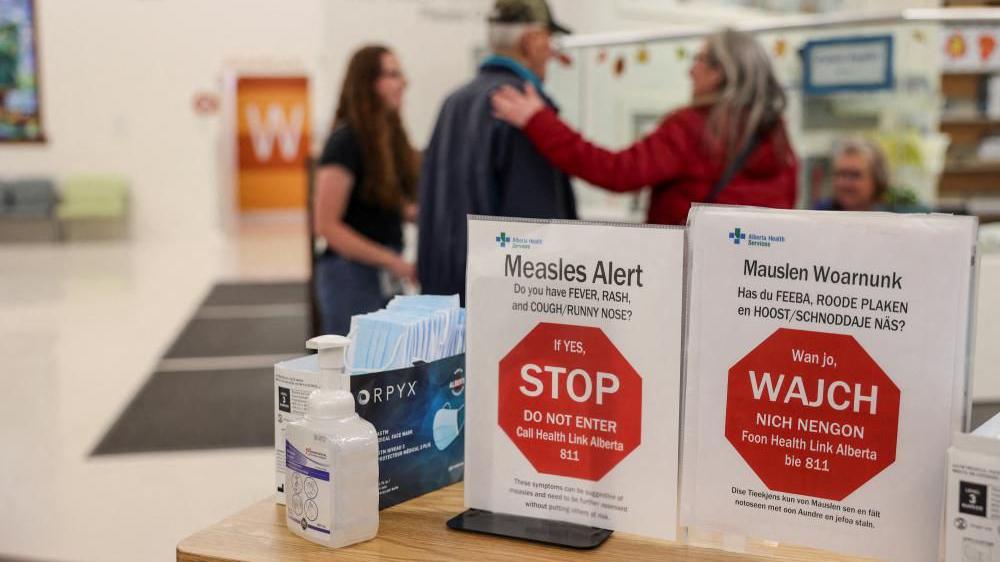
As of June 25, 2026, the CDC has confirmed 2,134 measles cases across 41 states and territories this year, tied to 30 separate outbreaks
ATLANTA
There's a number that haunts every infectious disease specialist who studies measles: 95. That's the percentage of a population that needs two doses of the MMR vaccine for the virus to stop finding new hosts. Drop below it, and one of the most contagious pathogens known to medicine starts quietly relighting itself in communities across the country. As of this month, the United States has been below that number for years—and the bill is now coming due.
As of June 25, 2026, the CDC has confirmed 2,134 measles cases across 41 states and territories this year, tied to 30 separate outbreaks. Ninety-three percent of those cases—1,982—are linked to one of those outbreaks rather than an isolated import from abroad. That distinction is the whole story: isolated imported cases are exactly what an "eliminated" disease looks like. Sustained, linked, spreading outbreaks are what a disease that has come back looks like.
What "Elimination" Actually Means—And Why It's Slipping Away
The U.S. declared measles eliminated in 2000, a landmark achieved through decades of high childhood vaccination coverage. Elimination doesn't mean the virus can never appear here—travelers bring it in regularly—it means any case that arrives gets stopped before it can chain into sustained domestic transmission lasting 12 months or longer. For 25 years, that firewall held.
It started cracking at the regional level first. In November 2025, the Pan American Health Organization announced that the entire Region of the Americas—the U.S. included—had lost its collective measles elimination status, after endemic transmission persisted in Canada for more than a year. The U.S.-specific determination is handled by an independent panel, the Measles and Rubella Elimination–Regional Verification Commission, originally due to rule earlier this year but pushed to November 2026. A CDC official explained: "The additional time will allow for a thorough and transparent assessment of the 2025 measles outbreaks, including comprehensive genomic sequencing and advanced analysis."
"Highly Likely"—What the Experts Are Already Saying
Public health researchers aren't waiting for November. An analysis from CIDRAP at the University of Minnesota concluded bluntly: "Given the current epidemiological context, it appears highly likely that the USA will lose its measles elimination status in 2026." On June 24, CIDRAP went further, declaring elimination status effectively over in practice already, regardless of paperwork—pointing to 2,134 confirmed cases with six months still left in the year.
The underlying driver is straightforward: vaccination coverage has been sliding. MMR coverage among kindergartners nationally fell from 95.2% in 2019–2020 to 92.5% in 2024–2025—a drop that looks small but matters enormously once you're below the 95% herd-immunity threshold. Pockets of much lower coverage in specific communities are where outbreaks take hold and spread outward.
Ground Zero: Utah and Texas
Utah has become the epicenter of the longest-running outbreak. The first case was reported in June 2025, and the state has since logged 696 cases, including 455 in unvaccinated people under 18 and 54 hospitalizations. A significant share of spread has been traced to the Fundamentalist Church of Jesus Christ of Latter-Day Saints, an insular religious community with historically low vaccination rates. Remarkably, despite the case count, Utah has reported zero fatalities.
Texas, the site of the outbreak that first put 2025's measles surge on the national radar, has logged 147 cases this year. Its earlier outbreak carried a far heavier toll: two unvaccinated Texas girls and an adult across the state line in New Mexico died before that wave finally burned out last July—the first U.S. measles deaths in a decade. Nationally, 92% of this year's cases are in people who are unvaccinated or whose status is unknown, and only about 4% occurred in people who had received the full two-dose MMR series.
Why a "Childhood Disease" Still Kills
Measles has an undeserved reputation as a mild rite of passage. It isn't. The virus is among the most contagious organisms known, capable of infecting 12 to 18 other people for every one person who has it in a population with no immunity—far more contagious than COVID-19 or seasonal flu. Roughly 1 in 5 unvaccinated Americans who catch it will be hospitalized. Complications include pneumonia and encephalitis, brain swelling that can cause permanent disability or death. Newer research has also documented "immune amnesia," in which a measles infection can wipe out a portion of the immune system's memory of other pathogens, leaving survivors more vulnerable to unrelated infections for months or years.
The virus spreads through coughing and sneezing, but it doesn't need direct contact. Measles particles can hang suspended in the air of an enclosed room for up to two hours after an infected person has left—which is why a single contagious child in a pediatrician's waiting room can seed a cluster of cases days later. That airborne persistence is why public health officials consider 95% vaccination coverage not just a nice target but a hard mathematical requirement.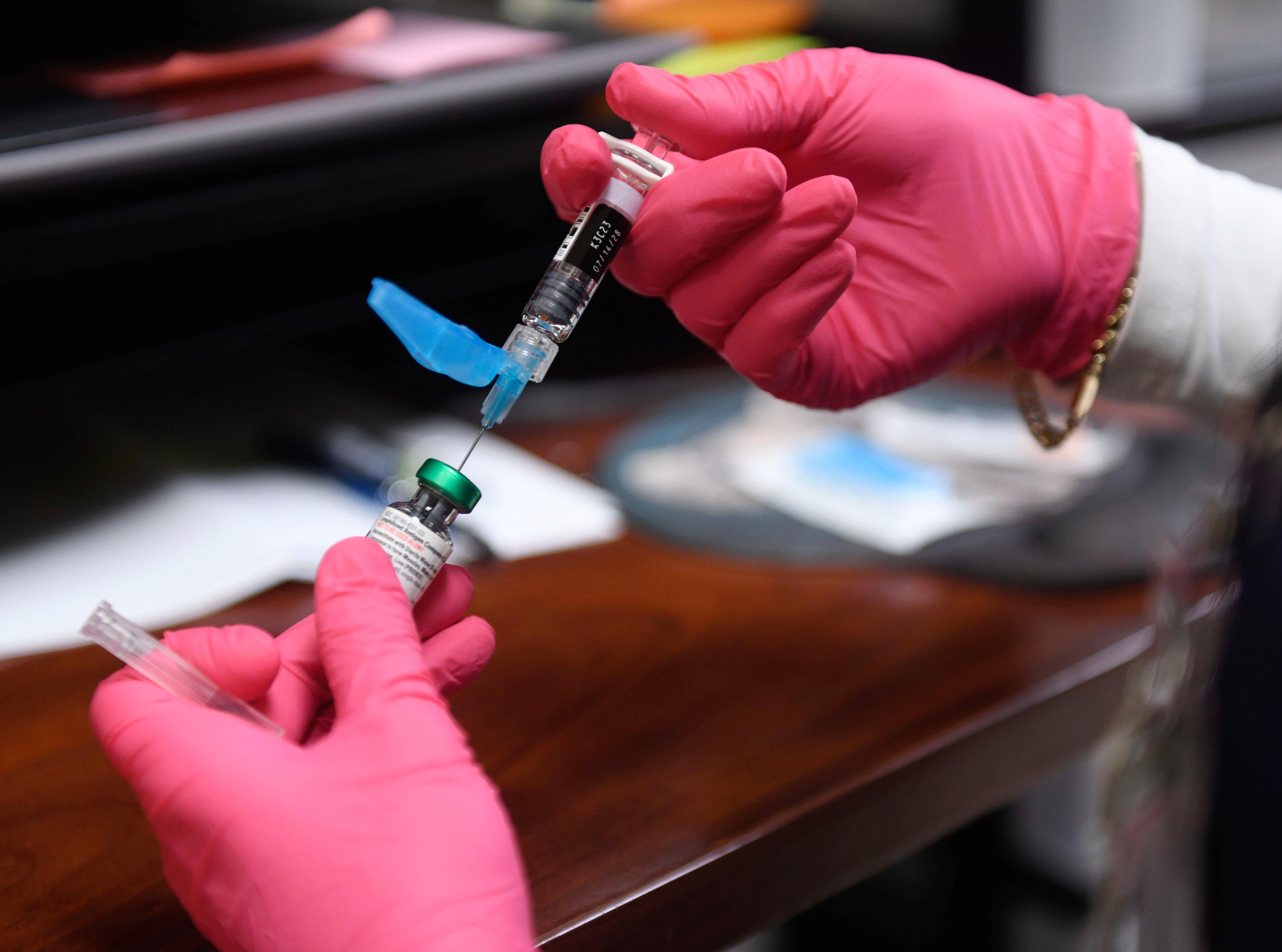
How the U.S. Got Here
The slide below the herd-immunity line built gradually: pandemic-era disruptions to routine pediatric care, growing numbers of non-medical vaccine exemptions in certain states, and a broader erosion of public trust in childhood immunization schedules. Once coverage drops in a specific community, outbreaks cluster geographically—which is exactly why an insular community in Utah and a cross-border cluster in Texas and New Mexico have driven such a disproportionate share of this year's case count. Reversing the trend requires rebuilding trust community by community, not relying solely on national coverage statistics that can mask dangerously low pockets.
Does Losing "Elimination" Status Actually Change Anything?
In the most literal sense, the elimination designation is a label, not a policy lever—losing it doesn't trigger new laws or automatic funding changes. But public health officials treat it as a national report card. It signals to the WHO, international travelers, and the public that measles has shifted from "occasionally imported" to "endemic and circulating," affecting everything from travel health advisories about visiting the U.S., to state health departments' leverage when asking for outbreak-response funding, to how seriously parents take the next vaccination reminder.
There's also a reputational dimension that stings precisely because of how hard the original achievement was. The Americas region was the first in the world to eliminate measles, back in 2002 for the whole hemisphere. Losing that status—even on a technicality of process and timing—would mark the unwinding of a public health win that took a generation to build.
What This Means for You
If you have children, or you're an adult who isn't sure of your own vaccination history, this is a useful moment to check. The MMR vaccine requires two doses—typically at 12–15 months and again at 4–6 years—and is roughly 97% effective. Adults vaccinated before 1989 may have received only one dose and could ask a doctor about a booster, particularly before international travel or visiting an area with an active outbreak. Anyone with fever and the telltale rash should call a doctor before showing up in person, since measles can linger as an aerosol for up to two hours after an infected person leaves.
If you live in or near one of the 41 affected jurisdictions, especially Utah or Texas, check your local health department's outbreak page before travel or sending an unvaccinated child to a large gathering. Pregnant women, infants too young to be vaccinated, and immunocompromised individuals face the highest risk.
The Bottom Line
The United States didn't lose its grip on measles overnight, and it isn't losing it because of a new, more dangerous strain. It's losing it the slow, mundane way—a percentage point of vaccination coverage here, a pocket of hesitancy there, until a disease that took a generation to stamp out finds enough unprotected kindling to start burning on its own again. The formal verdict won't arrive until November. But for the families in Utah counting hospitalizations, the parents in Texas who buried two daughters last year, and the epidemiologists already calling it "over in practice," the outcome already feels written.




