Written By |
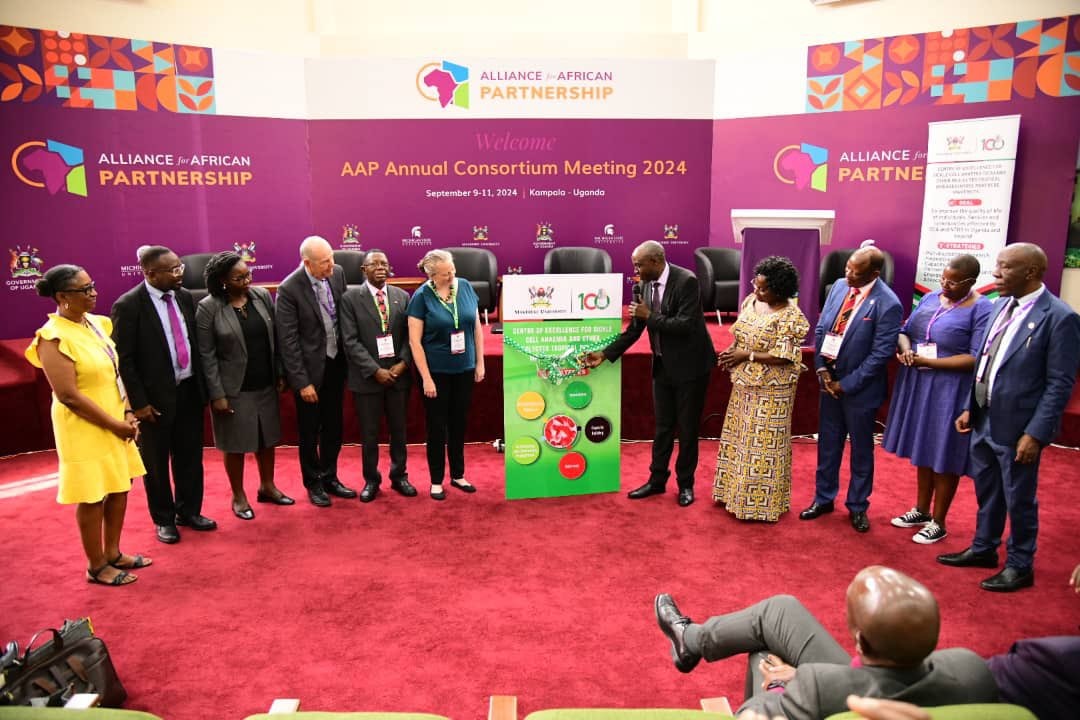
The launch of the fourth annual consortium meeting organized by the Alliance for Africa Partnership
By Our Reporter
Makerere University, in collaboration with its partners, has launched a Sickle Cell Anemia Center of Excellence to advance treatment and research for the disease. This initiative aims to enhance the training of future health workers, scientists, and researchers, according to Prof. Barnabas Nawangwe, the University’s Vice Chancellor.
The center, which will operate under Makerere University’s Department of Public Health, will provide services to surrounding communities and beyond, making it accessible to the general population. This is the first center established in a public institution of higher learning specifically to address the burden of neglected diseases in Uganda.
Nawangwe noted that this development would ultimately contribute positively to Uganda's economic growth by reducing the resources spent on managing the disease
Speaking at the launch during the fourth Annual Consortium Meeting organized by the Alliance for Africa Partnership, Nawangwe emphasized that the center would help reduce the burden of sickle cell disease through both treatment and research. He noted that this development would ultimately contribute positively to Uganda's economic growth by reducing the resources spent on managing the disease.
“The country allocates significant resources toward combating neglected tropical diseases, including sickle cell disease. By addressing these diseases, we can redirect those resources towards national development,” Nawangwe said.
He highlighted that Uganda loses over 200,000 lives annually to neglected tropical diseases. Saving these lives, he said, would have a direct impact on the country’s economic development.
“We have lost so much to these diseases, both in terms of lives and resources. This center is a timely intervention to help alleviate that burden,” Nawangwe added.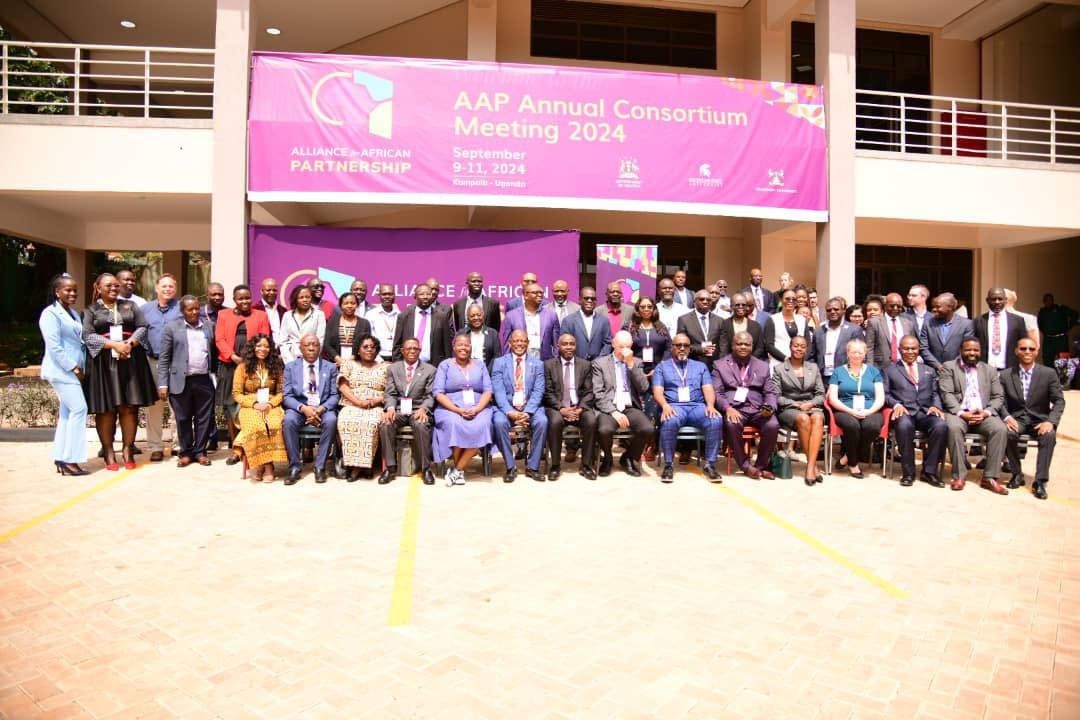
The center has been financially supported by the government’s research fund, which allocates sh30b to Makerere University annually for research purposes. Nawangwe commended the government for its continued support of the university, particularly in the areas of research and innovation, which have helped position the institution as a leader in academia across the continent.
Statistics
According to a 2014 Ministry of Health survey, the national prevalence of sickle cell disease was 0.73%, with a trait prevalence of 13.3%. However, this prevalence varied across different regions. The Mid-North (Acholi and Lango), East-Central (Busoga, Bugweri, Bukedi, and parts of Teso), as well as Buliisa and Bundibugyo districts, had a trait prevalence of 20% and a disease prevalence of over 15%. Fourteen districts, including Kampala, Gulu, Lira, Jinja, and Wakiso, contributed to 47% of the national sickle cell disease burden.
Reports indicate that sickle cell disease remains a significant health concern in Uganda, particularly among children under five. Of the 20,000 babies born with the condition annually, approximately 15,000 die before their fifth birthday, making it the leading cause of death in this age group.
Torch Media Africa



