Written By | Torch Media Africa
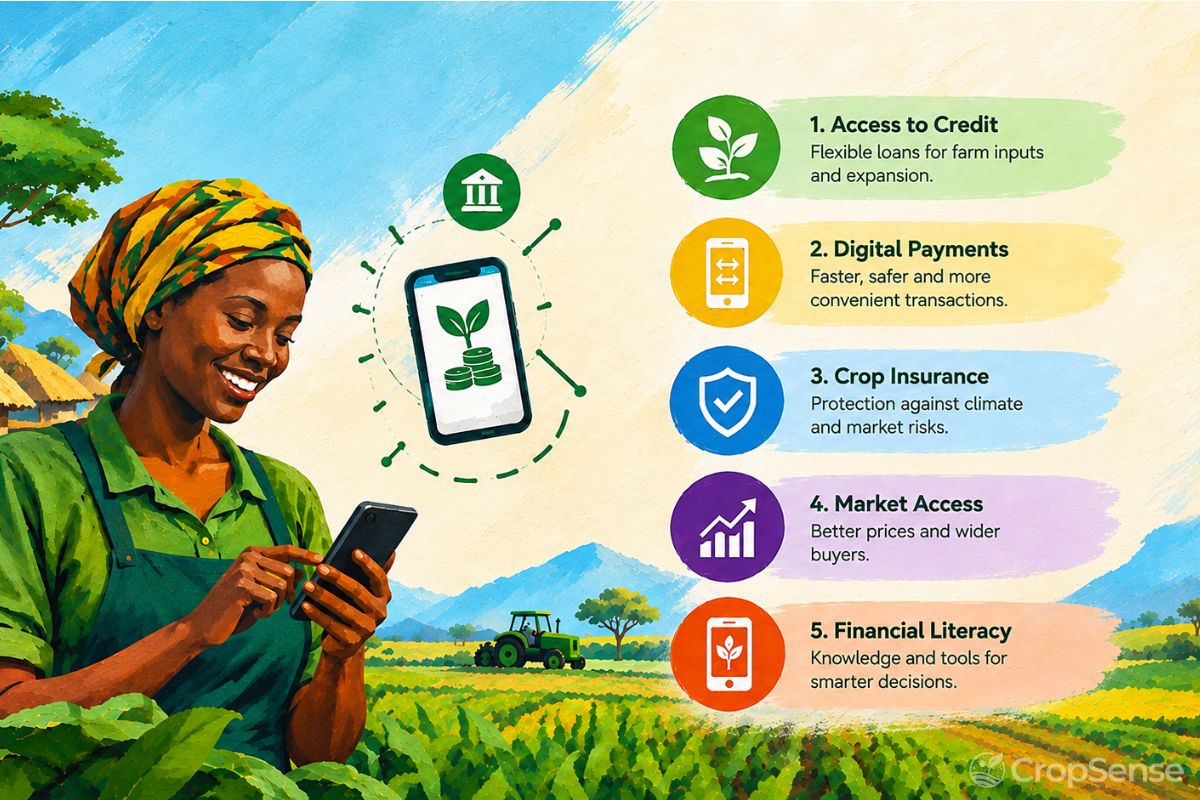
Agritech is now a smaller, debt-heavy, asset-heavy sector.
Technology Transformation
A sector that stopped chasing unicorns
Four years ago, African agritech looked like the next fintech. Funding for the continent's agrifoodtech startups peaked at about US$776 million in 2022, according to AgFunder data cited in All Business Africa's State of African AgriTech 2026 report, with marketplaces, farm-input platforms and B2B food distributors raising large equity rounds. By 2024 the figure had fallen to about US$192 million, a contraction of more than 75%. Briter's State of Agtech Investment in Africa 2025, reported by Techpoint Africa in March 2026, put 2025 at roughly US$170 million, with equity collapsing from US$328 million in 2022 to about US$80 million. For the first time, debt, grants and blended finance made up more than half of the capital going into the sector.
The first half of 2026 confirmed the shift. The Ag Safari newsletter, which tracks African agriculture funding against primary sources, counted roughly US$36 million in disclosed agritech startup funding in H1 2026, about US$7.8 million in the first quarter and about US$29 million in the second, with five more deals undisclosed. Other trackers that include different deal types report higher totals; AU-Startups counts US$69.3 million across disclosed 2026 rounds. Whatever the methodology, the direction is the same: agritech is now a smaller, debt-heavy, asset-heavy sector. That is not necessarily bad news. It may be the moment the technology starts to fit the economics of African farming.
Why the app model broke
The early thesis was that software could aggregate millions of smallholders, connect them to buyers and inputs, and capture a platform margin. The reality, as All Business Africa's report notes, is that smallholder economics are thin, post-harvest losses for staples and fresh produce can exceed 30% in many markets, and rural roads, storage and processing are weak. Operators that wanted to serve farmers found themselves running trucks, warehouses and credit books. Several of the best-known names became logistics or lending companies that happened to use technology.
Twiga Foods, the Kenyan B2B food distributor once named among TIME's 100 most influential companies, became the cautionary tale. It cut around 283 staff in August 2023, roughly a third of its permanent workforce, disbanded its in-house delivery team and spent subsequent years restructuring. Its trajectory taught investors that fresh-produce margins and working-capital needs do not behave like software, and that equity priced for hypergrowth is the wrong tool for businesses whose core assets are inventory, vehicles and loans.
The new pattern: technology after the harvest
Look at what did get funded in 2026 and a clear pattern appears. Almost every notable deal targets the step after the crop leaves the field.
In Nigeria, the impact investor All On invested US$1 million in Eja-Ice, a Lagos company that builds solar-powered freezers, cold rooms and cooling tricycles and vans for off-grid markets, in June 2026. The business sells equipment outright and also offers it as a service and on lease-to-own terms, the same pay-as-you-go logic that built the off-grid solar industry, now applied to keeping fish, meat and produce from spoiling before it reaches a buyer. Tomato Jos, which processes tomatoes in northern Nigeria to reduce one of the country's most notorious post-harvest losses, raised a US$2 million debt facility.
In East Africa, Victory Farms took US$15 million of debt from AgDevCo in April 2026 to scale tilapia production on Lake Victoria in Kenya and Lake Kivu in Rwanda. The company sells through more than 100 outlets to thousands of market traders and expects to produce about 30,000 tonnes of fish in 2026. It is technology-enabled aquaculture, with data-driven cage management, feed control and a cold-chain distribution network, rather than an app. In Ethiopia, Lovegrass took US$5 million from British International Investment to turn teff into gluten-free products for export markets. In Egypt, grocery platform Breadfast's US$50 million round in February accounted for most of that month's continental agritech total.
The common thread is that technology is being embedded inside physical assets: solar refrigeration, aquaculture systems, processing lines and distribution networks. The software is still there, in routing, inventory, credit scoring and remote monitoring, but investors are now underwriting the asset and its cash flows rather than the user count.
Turning farmer loans into an asset class
The most consequential agritech deal of 2026 may be one of the smallest. In May, Kenya closed its first private-sector, local-currency securitisation focused on smallholder agriculture. Led by Kaleidofin through its ki debt capital markets platform, in partnership with Apollo Agriculture, the transaction raised KES 276 million (reported at roughly US$2.1–2.5 million) by packaging agricultural receivables linked to 23,839 smallholder farmers. The IDH Farmfit Fund was anchor investor; FSD Africa supported legal and regulatory structuring, and the UK-backed MOBILIST programme advised on tax and structure. Reports note the notes were rated BBB- by Agusto, the pool is about 51% women, and the deal is the first tranche of a programme targeting KES 2.37 billion that could reach more than 130,000 farmers.
Apollo bundles seed, fertiliser, crop insurance and agronomic advice with credit, and scores borrowers using machine learning and satellite data. The securitisation matters because it solves the problem that crippled earlier agritech lenders: once a balance sheet was full of farmer loans, growth stopped until more equity arrived. Selling a pool of seasonal receivables to institutional investors in shillings, with repayments aligned to harvest cycles, lets the lender recycle capital without adding leverage, and gives investors a transparent view of agricultural credit performance in a sector they had treated as opaque. Apollo founder Eli Pollak said the structure should lower the company's cost of funding and widen access to affordable local-currency finance for farmers.
If the model scales, the most valuable output of agritech data may be not the app interface but the repayment history it generates, turning millions of small, seasonal loans into something a pension fund can buy.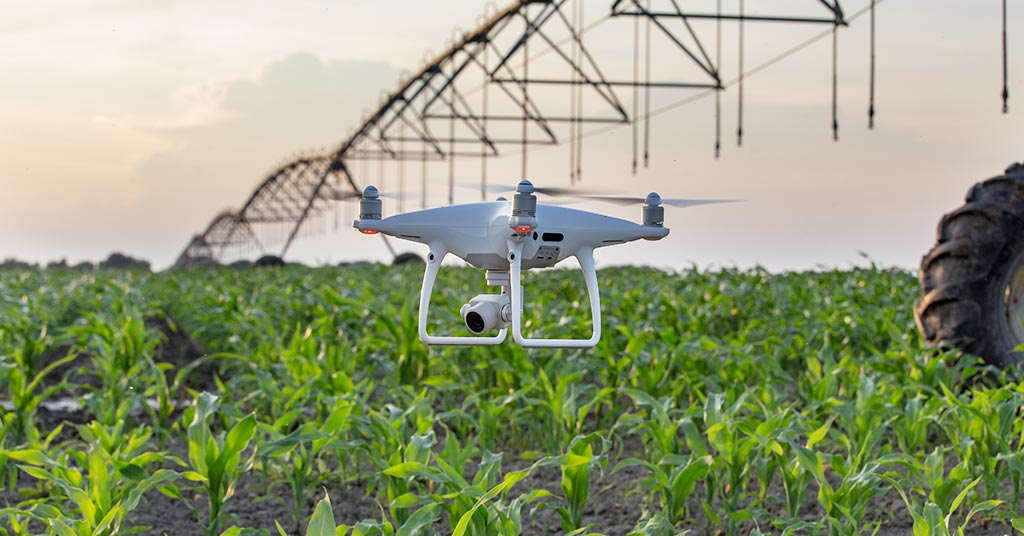
The capital is arriving above the startups
While startup funding shrank, agriculture finance overall grew. Ag Safari counted about US$4.23 billion committed to African agriculture in H1 2026, excluding Egypt's US$15.1 billion New Delta desert reclamation project, which alone would push the total past US$19 billion. Phatisa Food Fund 3 reached a US$86 million first close; Sahel Capital closed a US$55.4 million naira-denominated agribusiness debt fund; Aqua-Spark Africa raised US$48 million for aquaculture; the EBRD committed US$153 million to cashew and commodity processing in its first West African agribusiness deals; and the World Bank approved US$500 million for Nigerian smallholder productivity. Ecobank issued a US$450 million nature bond on the London Stock Exchange that drew demand of about US$1.36 billion.
This creates both an opportunity and a gap. Large funds and development banks now want investable pipelines in processing, cold chains, aquaculture and input supply, exactly where the surviving agritech companies operate. But, as Ag Safari notes, almost none of that money reaches companies at the grant or seed stage, and many startups are too small to absorb institutional tickets. Structures like Kenya's securitisation, naira debt funds and blended-finance facilities are the bridge between them.
The public layer: digital farmer registries
A quieter technology shift is happening inside governments. Kenya's Integrated Agricultural Management Information System (KIAMIS) has become the backbone of the national fertiliser subsidy. Farmers register for free at county offices or by dialling *616*3#; once verified, they receive an SMS e-voucher to redeem subsidised fertiliser, priced at KES 2,500 per bag, at National Cereals and Produce Board depots. Reported registration figures vary, from about 5.9 million crop farmers in a government update to about 7.2 million in a February 2026 press report, but at that scale the registry is one of the continent's largest agricultural digital public infrastructures.
Registries like KIAMIS matter for private agritech too. A verified farmer identity tied to plot, crop and subsidy history lowers the cost of onboarding, credit scoring and insurance underwriting, and can reduce leakage in public input programmes. The risks are equally clear: data-protection safeguards, exclusion of farmers who cannot register, and the temptation to use a subsidy database for purposes farmers never agreed to.
Risks to the new model
Debt-funded agritech is less fragile than equity-fuelled hypergrowth, but it is not safe. Seasonal lending is exposed to drought, floods and price shocks, as this year's fertiliser price spike showed. Securitised farmer loans concentrate weather and commodity risk, and a bad season could test investor appetite for the asset class before it matures. Asset-heavy cold-chain and aquaculture businesses need reliable power, roads and maintenance. And with equity scarce, early-stage innovation in areas such as precision agronomy, climate data and AI advisory tools may be starved of risk capital.
What to watch
Three indicators will show whether African agritech's reinvention is working. First, whether Kaleidofin and Apollo complete further tranches of the KES 2.37 billion programme, and whether other lenders in Nigeria, Ghana or Uganda copy the structure. Second, whether pay-as-you-go cold-chain models like Eja-Ice scale beyond pilots, cutting post-harvest losses that still run above 30% in many markets. Third, whether public registries such as KIAMIS open secure, consent-based data access that lets private firms serve farmers more cheaply. The apps era promised to digitise African farming from the top down. The emerging model is slower and less glamorous: technology embedded in fridges, fish cages, loan pools and public registries. It may also be the one that finally reaches the farmer.