Written By | International News Agencies
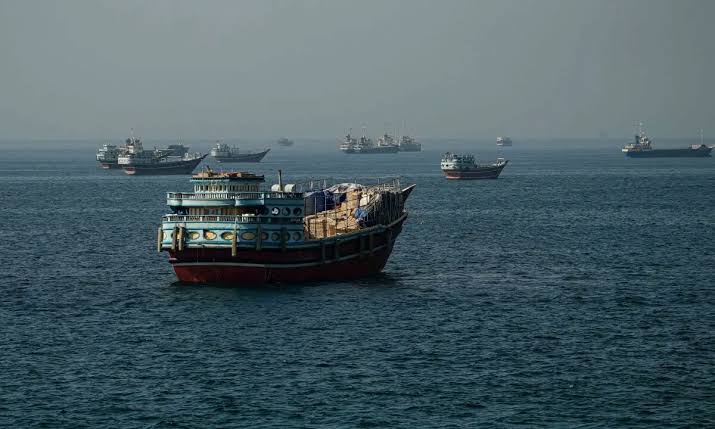
The United States, Iran and Oman are closing in on an agreement to reopen the Strait of Hormuz to normal shipping traffic
Background
The United States, Iran and Oman are closing in on an agreement to reopen the Strait of Hormuz to normal shipping traffic, a potential breakthrough in a conflict that has repeatedly convulsed the Gulf region since Israel and the United States launched strikes on Iran in February. U.S. Treasury Secretary Scott Bessent said this week that a deal could be reached within days, and by August 5 the administration was describing the strait as effectively "free and open," even as Iranian officials stopped short of confirming a final agreement.
The current crisis traces back to February 28, 2026, when the United States and Israel launched coordinated air strikes on Iran's nuclear and ballistic missile infrastructure, following a January crackdown in which Iran's Islamic Revolutionary Guard Corps killed thousands of protesters across more than 100 cities. President Trump had declared that the Iranian government had "forfeited its right to exist," and the immediate trigger came after Iran resumed accelerated nuclear activity and withdrew entirely from the Nuclear Non-Proliferation Treaty. Iran's Supreme Leader, Ali Khamenei, was killed in the opening strikes; his son, Mojtaba Khamenei, was subsequently named as his successor and has kept a notably low public profile since, reportedly due to injuries sustained in the war.
What followed was roughly 40 days of direct combat between Iran and the United States and Israel, during which Iran closed the Strait of Hormuz, struck U.S. military bases and Gulf-state targets, and traded missile and drone attacks with American and Israeli forces. A ceasefire took hold on April 8, 2026, and on June 17 the two sides signed a 14-point, Pakistan-mediated memorandum of understanding that set out a 60-day framework for follow-on talks covering three core issues: freedom of navigation through the Strait of Hormuz, Iran's nuclear and missile programs, and the sanctions regime against Tehran.
That ceasefire proved fragile. Through July, fighting repeatedly reignited: Iranian forces struck commercial vessels in the strait, the United States carried out multiple additional rounds of strikes on Iranian military and, later, energy infrastructure targets, and Iran retaliated against U.S. forces and allied Gulf states including Bahrain, Kuwait, Qatar, Jordan and Egypt. Oil prices swung sharply along with the fighting, spiking toward and above $100 a barrel during the worst flare-ups before falling back as ceasefires took hold. By late July, U.S. and Israeli officials were reportedly preparing a major bombing campaign against Iran's power plants, refineries and energy facilities; that plan was called off on August 1 after Saudi Arabia's Crown Prince Mohammed bin Salman urged restraint and Trump announced the "perimeters of a deal" to reopen Hormuz, a claim Iranian state media immediately dismissed as false.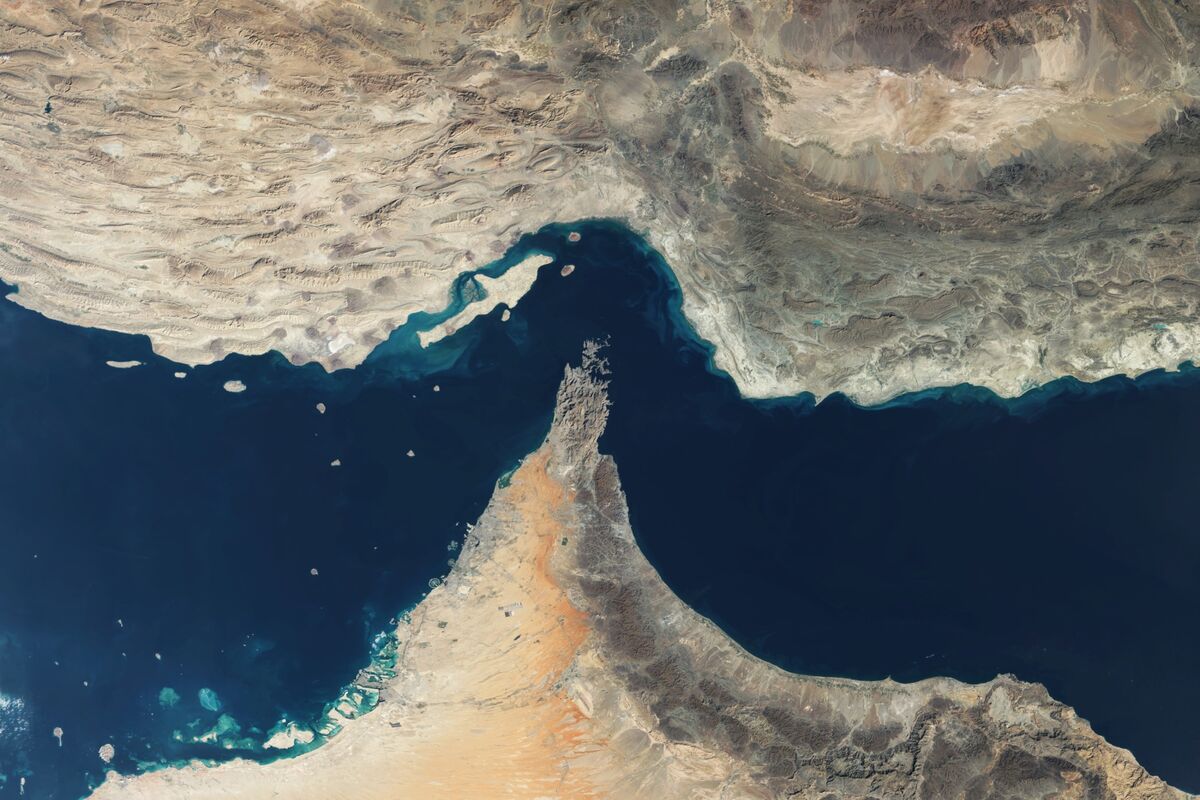
Key Developments
The negotiations that have unfolded since have focused narrowly on the mechanics of reopening the Strait of Hormuz to shipping rather than on the broader, harder disputes over Iran's nuclear and missile programs. Under the emerging arrangement, described by U.S. and regional officials in recent days, inbound vessels would transit a corridor running close to Iran's coastline while outbound traffic would use a separate route along Omani territorial waters, or a similar division of the strait's two shipping lanes between Iranian and Omani control. Rather than a toll, ships would pay a "service fee" intended to fund maritime security, environmental monitoring and other operational costs, with proceeds split evenly between Iran and Oman.
The path to that structure was not straightforward. In late July, Iran's deputy foreign minister, Kazem Gharibabadi, publicly rejected an earlier Gulf-backed proposal for a voluntary shipping-fee arrangement, arguing that a 50-50 corridor split with Oman did not address Iran's underlying security concerns; Tehran instead pushed a counterproposal that would have given it authority over both the inbound and outbound lanes. That impasse appeared to ease around the weekend of August 1-2, when Iranian Foreign Minister Abbas Araghchi agreed "in principle" to a version of the fee-and-corridor plan, though officials cautioned the agreement still required sign-off from Supreme Leader Mojtaba Khamenei and Iran's Supreme National Security Council.
By August 4 and 5, U.S. officials were signaling growing confidence that a formal announcement was close. Bessent said a deal could come "today or tomorrow," and separate reporting indicated the administration was describing Hormuz as already "free and open" even ahead of a final signed agreement. Secretary of State Marco Rubio offered a more measured assessment, saying there had been "progress made in those talks, but not finality yet." Trump himself has previously complicated the fee-based approach by saying he would not stand by if Iran imposed charges on vessels transiting the strait, a position in some tension with the service-fee structure now reportedly under discussion.
Even if the Hormuz-specific arrangement is finalized, it would resolve only one of the three tracks laid out in June's memorandum of understanding. Iran's nuclear program, including the current status and location of its enriched uranium stockpile after February's strikes, and its ballistic missile arsenal remain unresolved and are widely regarded by analysts as the more consequential and more difficult disputes to settle.
Reactions
Iranian state-linked outlets have offered a more skeptical public posture than U.S. officials throughout this latest round of diplomacy. Mehr News Agency dismissed Trump's initial August 1 claim of "perimeters of a deal" as "simply a new lie," and Fars News, which has close ties to the Islamic Revolutionary Guard Corps, said Tehran was only discussing a safe shipping route with Oman rather than a comprehensive settlement. That pattern, of American officials announcing progress or a deal while Iranian officials publicly deny or downplay it, has repeated several times since late July and has left outside analysts cautious about how close a final agreement really is.
Gulf states have been the most consistent advocates for de-escalation, largely because they have repeatedly found themselves caught in the crossfire. Bahrain, Kuwait, Qatar, Jordan and, in one case, Egypt have all been struck by Iranian or Iran-aligned forces in retaliation for U.S. military action staged from or near their territory over the course of the war. Saudi Arabia's direct intervention in early August, when Crown Prince Mohammed bin Salman reportedly phoned Trump to urge restraint, is widely credited with helping to pause the planned bombing campaign against Iran's energy infrastructure and opening space for the current round of Hormuz talks.
Oil markets have moved in step with the diplomacy. Prices spiked repeatedly during the worst periods of fighting this year, at times approaching or exceeding $100 a barrel, before easing back toward the $70 range whenever ceasefires or de-escalation announcements took hold. Given that the Strait of Hormuz carries roughly a fifth of global oil consumption, traders are likely to react quickly, in either direction, to confirmation or collapse of the emerging agreement.
What's Next
The immediate question is whether Iran's Supreme Leader and Supreme National Security Council formally approve the corridor-and-fee arrangement that Foreign Minister Araghchi reportedly endorsed in principle. If they do, and if a joint announcement follows in the coming days, it would restore normal tanker and cargo traffic through one of the world's most important oil chokepoints for the first time on a durable basis since the war began in February.
Even a successful outcome would leave the harder parts of the June memorandum of understanding untouched. Talks on Iran's nuclear program and missile arsenal have made little visible progress, and the repeated pattern of collapsed ceasefires this year, including the breakdown of the original April 8 truce and the June 17 memorandum itself within weeks of signing, gives outside observers reason to treat any near-term Hormuz agreement as provisional rather than a definitive end to the broader conflict. Gulf states, oil markets and Washington will be watching closely for whether the corridor arrangement holds through its first days of operation, and whether it becomes a foundation for resuming the stalled nuclear and missile negotiations or simply another temporary lull in a conflict that has already reignited multiple times since April.



