Written By | Health News Agencies
The FDA just approved Orzeyful, a once-mocked "wakefulness molecule" 25 years in the making — and patients who've spent their lives collapsing mid-sentence are calling it historic
WASHINGTON
Imagine falling asleep in the middle of laughing at a joke. Not drifting off — collapsing, mid-laugh, your muscles giving out entirely while you remain fully conscious and aware of everything happening around you, unable to move or speak. For the roughly 1 in 2,000 people living with narcolepsy type 1, that terrifying moment — called cataplexy — is not a nightmare. It's Tuesday.
On August 5, 2026, the U.S. Food and Drug Administration approved a drug that, for the first time in the history of narcolepsy treatment, doesn't just mask those symptoms — it targets the actual biological malfunction causing them. The drug is called Orzeyful, known generically as oveporexton, and doctors who've spent their careers treating this disease are calling its approval nothing short of historic.
"ORZEYFUL's approval is a historic moment that expands our treatment choices and gives me great hope for the future and for our community," one patient said in comments released around the approval — a sentiment echoed across the narcolepsy patient community this week.
The Switch That Got Stuck in the "Off" Position
To understand why this drug is different, you have to understand what actually goes wrong in narcolepsy type 1 — and it isn't what most people assume.
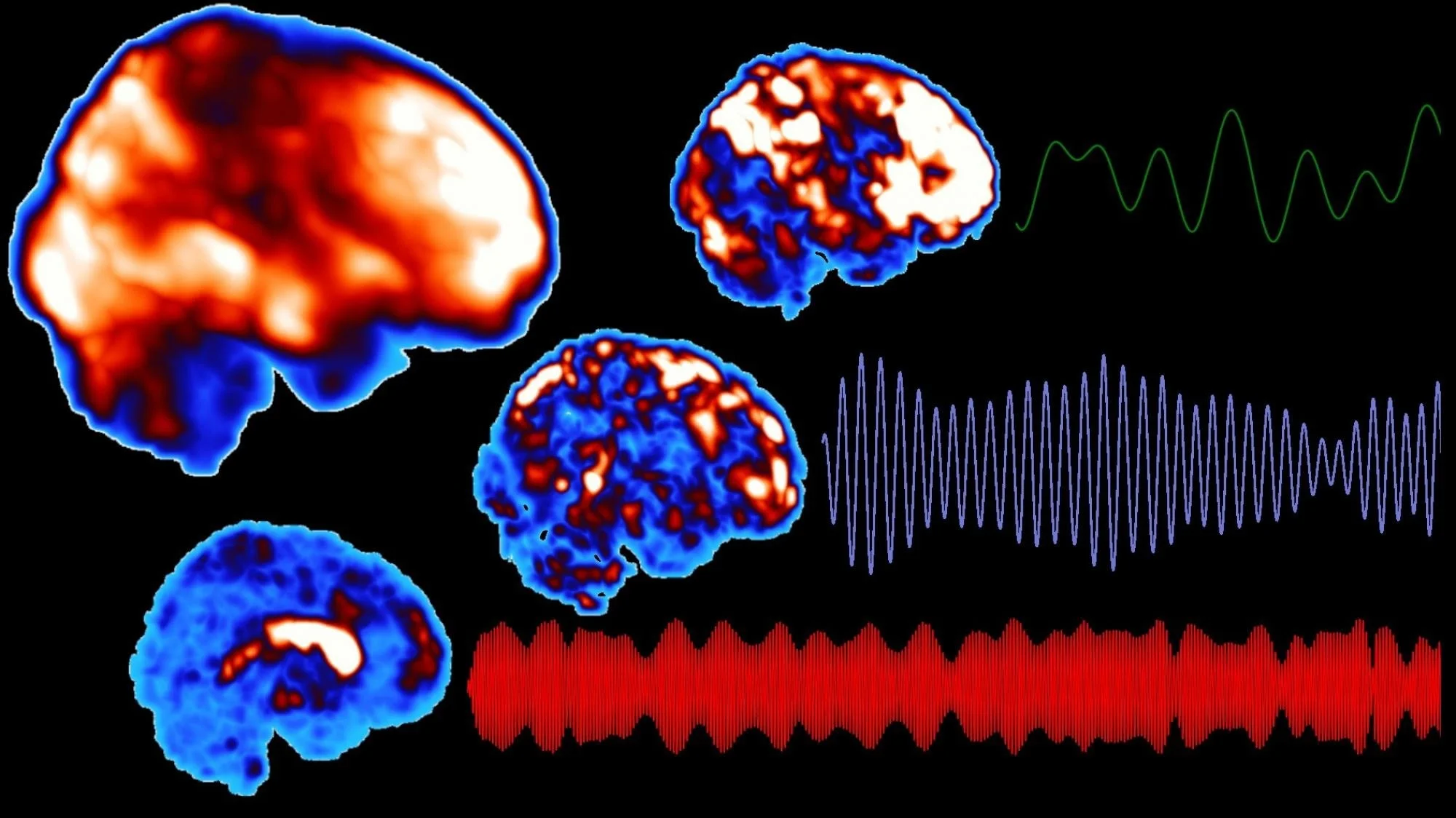
Deep in the brain's hypothalamus sits a small cluster of neurons that produce a chemical messenger called orexin (also known as hypocretin). Orexin's job is essentially to act as the brain's master "stay awake and stay alert" switch, stabilizing wakefulness, regulating REM sleep, and even playing roles in metabolism and emotional control. In a healthy brain, orexin levels rise and fall in a controlled rhythm that keeps you reliably awake during the day and asleep at night.
In narcolepsy type 1, that system is sabotaged. The body's own immune system is believed to mistakenly attack and destroy the very neurons that produce orexin. Research shows that more than 90% of narcolepsy type 1 patients have cerebrospinal fluid orexin-A levels below 110 picograms per milliliter — a near-total wipeout of the chemical that's supposed to hold the brain in "awake" mode. Without it, wakefulness becomes unstable. The brain can lurch, involuntarily and without warning, straight into fragments of REM sleep — the sleep stage associated with dreaming and muscle paralysis — while a person is still standing, talking, or driving a car. That's cataplexy. That's also the excessive, overwhelming daytime sleepiness that defines the disorder, along with sleep paralysis, hallucinations at the edge of sleep, and shredded nighttime sleep.
Every narcolepsy drug approved before this one worked around that problem. Stimulants forced wakefulness through brute-force brain chemistry. Other drugs targeted individual symptoms like cataplexy or sleep fragmentation separately. None of them replaced what the brain had actually lost.
Oveporexton does something categorically different: it's an oral orexin receptor 2 agonist, meaning it directly stimulates the very receptor that orexin itself would normally activate, essentially standing in for the neurotransmitter the body can no longer make. It's the pharmaceutical equivalent of restoring power to a switch that's been ripped out of the wall.
The Trials That Changed the Conversation
The FDA's approval rests on a global Phase 3 program — two parallel, randomized, double-blind, placebo-controlled trials called FirstLight and RadiantLight — that tested oveporexton against the full range of narcolepsy type 1's defining symptoms, not just one piece of it. According to results released around the drugmaker Takeda's announcement, the trials showed statistically significant improvements across excessive daytime sleepiness, cataplexy frequency, and overall health-related quality of life — the first time a single narcolepsy therapy has shown that kind of broad-spectrum effect in pivotal trials.
That breadth is what's driving the "historic" label doctors keep reaching for. Sleep specialists have described oveporexton as the first medicine engineered to treat narcolepsy type 1 "as a complete disorder" rather than chasing its symptoms one at a time.
The safety data, while generally reassuring, comes with real caveats. The most common side effects reported in trials were insomnia (a somewhat ironic complication for an "awake" drug), urinary urgency and frequency, and excessive salivation. More significantly, because oveporexton acts so directly and powerfully on the brain's wakefulness circuitry, it is expected to carry a controlled-substance designation once the Drug Enforcement Administration completes its scheduling review — a decision expected within roughly 90 days of the FDA's approval. Regulators have flagged that the drug carries a potential for abuse and misuse, and doctors are being advised to screen patients carefully for any history of stimulant misuse before prescribing it.
Orzeyful's path to this point wasn't quick. The FDA granted the drug Breakthrough Therapy Designation and Priority Review back in February 2026, both regulatory fast-track tools reserved for treatments that show early, compelling evidence of a major advance over existing options — a sign the agency saw exactly what patients and doctors are now describing publicly.
A Field That's Been Waiting Two Decades
The scientific story behind Orzeyful stretches back much further than this week's headline. Researchers first identified the link between orexin deficiency and narcolepsy type 1 in the early 2000s, a discovery that reframed the entire disease from a mysterious sleep disorder into something with a defined, targetable biological cause. But turning that discovery into an actual medicine that could safely and effectively activate orexin receptors took roughly a quarter-century of chemistry, false starts, and incremental trial data.
That long runway is part of why the approval is landing as such a milestone moment within the sleep medicine community — and not only in the U.S. Just weeks before the American approval, Takeda announced the drug had already cleared regulatory approval in China, an early signal that health authorities in multiple countries are reaching similar conclusions about the drug's risk-benefit profile.
Expert Perspective
Sleep and neurology specialists who reviewed the trial data have repeatedly emphasized the same point: this isn't an incremental improvement on existing narcolepsy drugs, it's a mechanistic reset. Coverage in specialty publications following the approval described oveporexton as heralding "the evolution of precision medicine" in narcolepsy type 1 care — language typically reserved for cancer therapies engineered around a specific genetic mutation, not sleep medicine.
That said, independent health-economics reviewers have flagged an obstacle that has nothing to do with biology: cost. The Institute for Clinical and Economic Review (ICER), a nonprofit that assesses whether new drugs are worth their price tags, concluded oveporexton would need to be priced somewhere between roughly $50,400 and $59,400 per year to be considered cost-effective. As of this week, Takeda has not publicly announced what it will actually charge U.S. patients — leaving a real question mark over how accessible this breakthrough will be to the very patients it's designed to help, particularly those without robust insurance coverage.
What This Means for You
If you or someone you love lives with narcolepsy type 1, the practical takeaway is this: a genuinely new category of treatment now exists, and it's available by prescription as of this week's approval, pending your doctor's assessment of whether it's appropriate for you. Given the DEA's pending scheduling decision, don't be surprised if there's a short administrative lag before pharmacies nationwide have it fully sorted into their systems — controlled-substance classification affects everything from how it's stored to how it's prescribed and refilled.
If you're newly experiencing symptoms like sudden muscle weakness triggered by strong emotions (laughing, surprise, anger), overwhelming daytime sleepiness that naps don't fix, or vivid hallucinations as you fall asleep or wake up, doctors say those are worth raising with a sleep specialist regardless of this news — narcolepsy type 1 is chronically underdiagnosed, and formal diagnosis typically requires an overnight sleep study and, often, a cerebrospinal fluid orexin test.
And if cost is a concern — which for a drug in this price range, it likely will be for many families — ask your prescriber and Takeda directly about patient assistance programs, which manufacturers frequently roll out alongside high-cost specialty drug launches.
The Bottom Line
For a quarter-century, scientists have known exactly what breaks in the brains of people with narcolepsy type 1. This week, for the first time, medicine caught up with that knowledge. Orzeyful won't undo the neurons that have already been lost — that damage is, current science suggests, permanent. But by directly replacing the signal those neurons used to send, it offers something no narcolepsy drug has offered before: a shot at treating the disease at its source, not just managing its symptoms one collapse at a time.
Whether the price tag keeps that promise out of reach for too many patients is the next fight. But for a community that has spent decades being told to just manage their symptoms, this week's approval is being described, again and again, in exactly the same word: historic.