Written By | Peter Luzinda
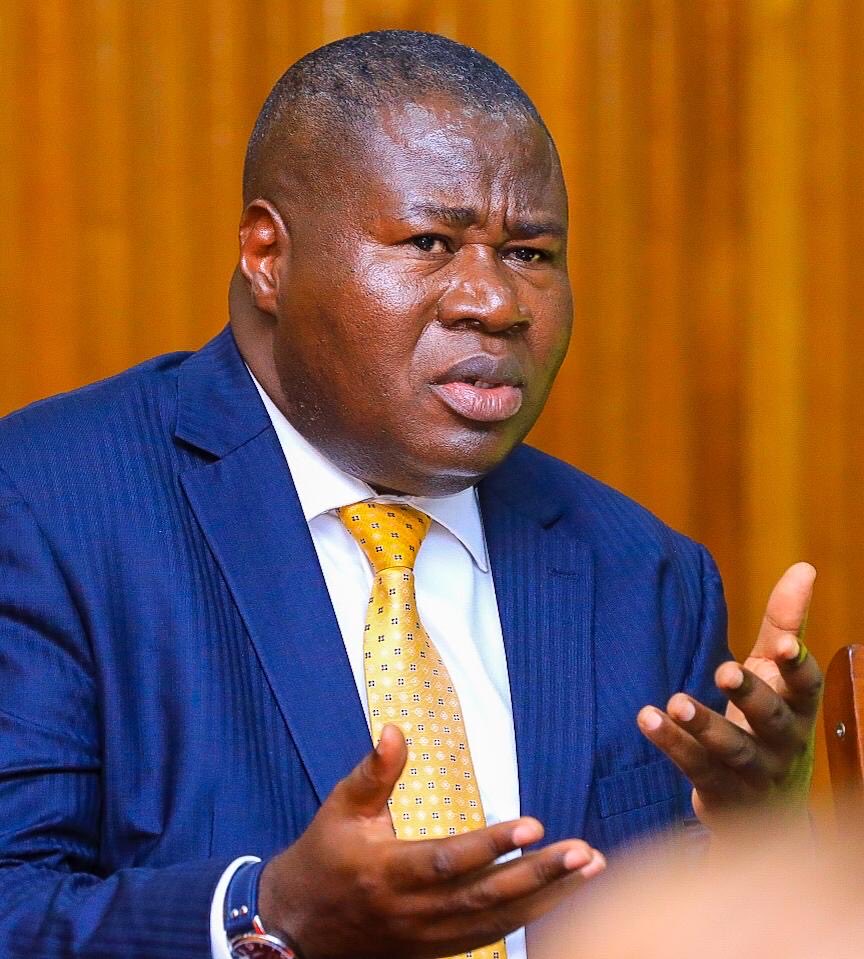
Oboth-Oboth’s call comes amid growing concern over the gap between what young people learn in school and the skills required in the workplace.
PARLIAMENT
Speaker of Parliament Jacob Markson Oboth-Oboth has called for a rethink of Uganda’s education system, placing greater emphasis on skills that prepare learners for employment and the changing demands of the economy.
Oboth-Oboth’s call comes amid growing concern over the gap between what young people learn in school and the skills required in the workplace.
The debate has increasingly shifted toward practical learning, technical and vocational training, digital skills, and entrepreneurship as Uganda seeks to prepare its growing young population for a competitive labor market.
The Speaker’s position places Parliament at the center of efforts to examine whether the country’s current education policies are producing the workforce needed to support economic growth.
Uganda faces the challenge of creating opportunities for the large number of young people entering the labor market every year. This has increased pressure on policymakers to ensure that education does not focus solely on academic qualifications, but also provides learners with practical competencies.
Education reforms are therefore expected to address areas such as technical training, digital literacy, problem-solving, innovation, and entrepreneurship.
The need for stronger links between education and employment has also been highlighted by research showing that many African students leave secondary school without basic digital or coding skills.
Oboth-Oboth’s intervention comes as the 12th Parliament begins shaping its priorities, with education and human capital development remaining critical issues for Uganda’s economic transformation.
The Speaker has previously spoken about the need for Parliament to strengthen its constitutional role and improve its effectiveness—a responsibility that includes scrutinizing government programs and public spending.
For education reform to succeed, stakeholders will need to address not only the curriculum, but also teacher training, learning facilities, funding, and the connection between schools and employers.
The ultimate challenge is to build an education system that gives Ugandan learners both academic knowledge and practical skills they can use to secure employment, start businesses, and contribute to national development.
The debate over an education overhaul is therefore likely to remain a key issue as Parliament considers how Uganda can turn its large, youthful population into a productive workforce.



