Written By | International News Agencies
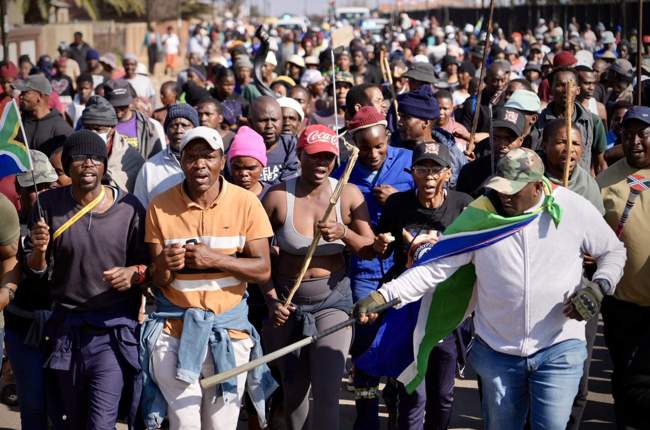
March and March was founded in March 2024 by Jacinta Ngobese-Zuma, a former radio presenter at Vuma FM who was dismissed in 2025, according to Wikipedia's entry on the group
JOHANNESBURG
South Africa reached the second unofficial ultimatum of its anti-immigrant summer today. The movement March and March had demanded that undocumented foreign nationals leave the country by Sept. 30, and the government has said the date "has no legal authority" and that private citizens cannot enforce deportations, Al Jazeera reported. Police, for their part, said they had "no plans to change their normal policing approach" because of the deadline. As of this writing, no reporting was available on what happened on the deadline day itself, so this account covers the run-up rather than the outcome.
The moment matters because of what sits on the other side of it. Local government elections are scheduled for Nov. 4, and analysts warn that a campaign about migration, jobs and failing services is being fought partly in the streets. Tens of thousands of migrants have left the country since winter, and human rights groups say the state's failure to police vigilantes is testing its constitutional commitments.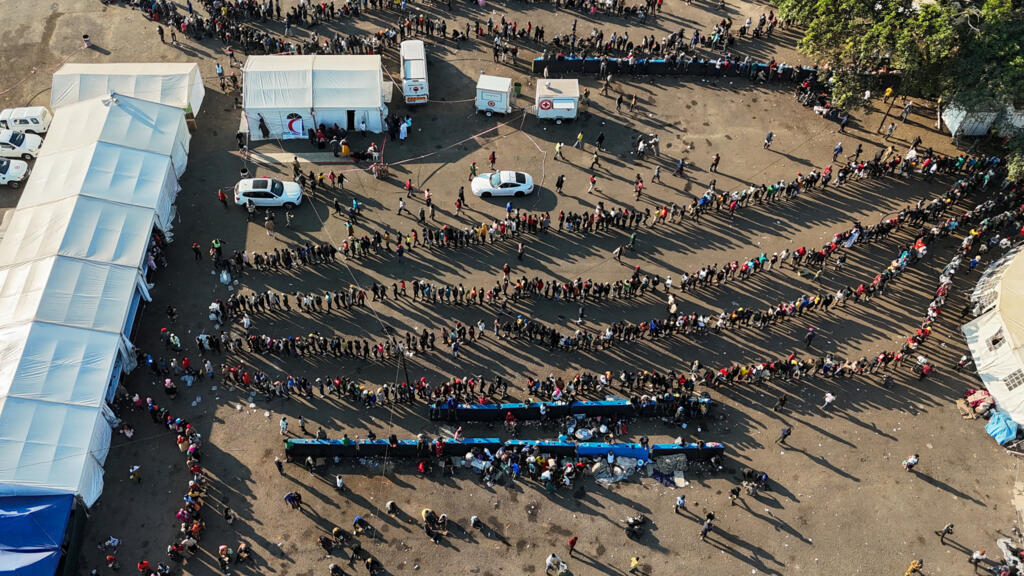
The movement behind the deadline
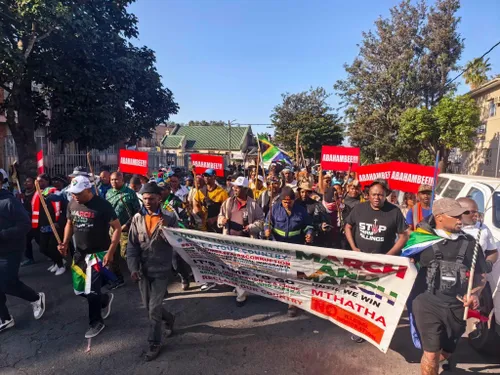
March and March was founded in March 2024 by Jacinta Ngobese-Zuma, a former radio presenter at Vuma FM who was dismissed in 2025, according to Wikipedia's entry on the group. It is registered as a non-profit organization focused on immigration policy. In 2025 its volunteers stationed themselves at KwaZulu-Natal public health facilities, including Addington Hospital and R.K. Khan Hospital, and demanded identity documents from people seeking entry. In 2026 it moved to nationwide demonstrations, working with Operation Dudula, a similar group led by Zandile Dabula, and with the uMkhonto weSizwe (MK) party, though the group presents itself as apolitical.
The trajectory of 2026 has been steady escalation. Demonstrations spread to Pretoria, Johannesburg and Durban in April and May. In April, Daily Maverick reported that United Nations Secretary-General António Guterres issued a statement of deep concern, saying that "violence, vigilantism and all forms of incitement to hatred have no place in an inclusive, democratic society." President Cyril Ramaphosa responded that South Africa is "not a country of hate," while acknowledging public concern about illegal migration. Ghana and Nigeria warned their nationals, and a national shutdown was planned for May 4.
The first big test came on June 30, the group's earlier deadline. Police deployed heavily. Al Jazeera reported that more than 900 people were arrested across 120 marches, 108 of which stayed peaceful and 12 of which required police intervention. The Western Cape recorded 215 arrests and the Eastern Cape 208. One person was shot dead during looting of informal shops in Alexandra township in Johannesburg, and a shooting in Hillbrow injured two people, including a 17-year-old. Ms. Ngobese-Zuma said before the marches, "We are not calling for violence... no one will be killed," and that "no looting will take place in our name," according to the Kenyan outlet The Standard, but she also said, as reported by Al Jazeera, that demonstrations would continue every Thursday until the government enforces stricter border controls.
The human toll so far
The deaths and departures are tallied differently by different sources. The Standard, citing recent reporting, listed at least four documented deaths in anti-immigrant violence over the winter: two Mozambicans, one Ethiopian and one Malawian. Wikipedia separately records two Nigerian men killed in xenophobic incidents in Johannesburg in April and May. The figures may overlap or may not, and no single official tally has been published in the sources reviewed here.
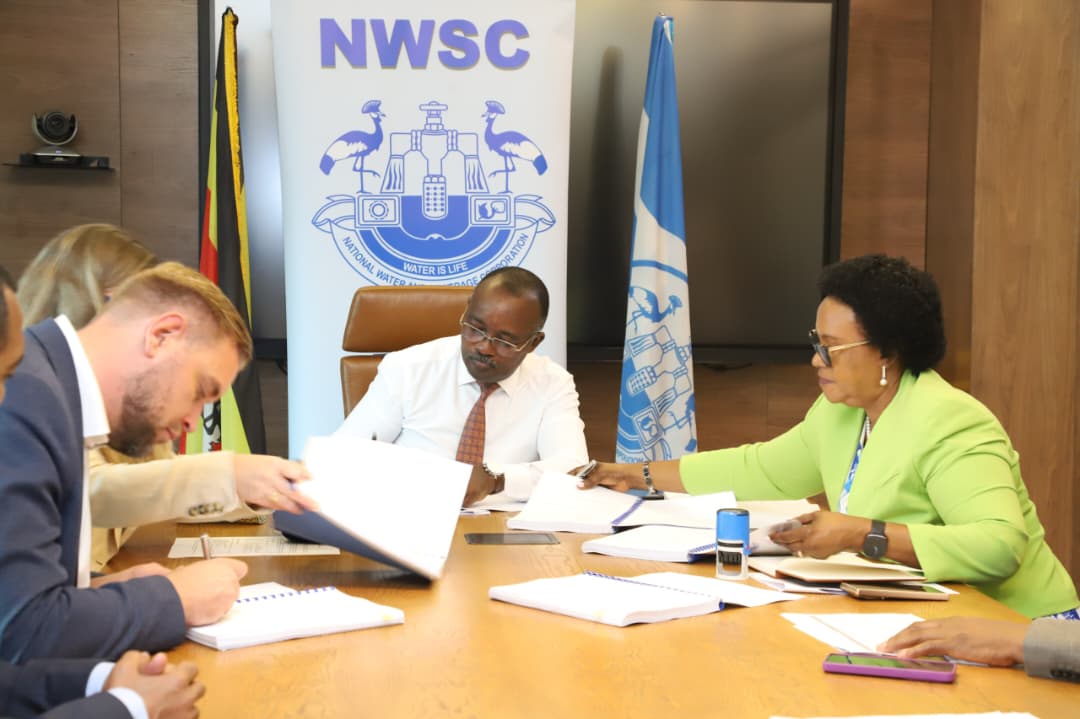
Departures are easier to gauge. The Border Management Authority reported that roughly 25,000 people had been repatriated in the weeks around the June deadline, including about 15,000 Malawians, according to The Standard. Uganda announced plans to evacuate nearly 750 citizens, and thousands from Ghana, Mozambique, Nigeria and Zimbabwe had left. Chatham House says tens of thousands have fled the country. Officials feared a repeat of the July 2021 unrest, which killed around 350 people, or the 2008 riots that killed 62.
The most visible flashpoint in recent weeks has been Durban. Hundreds of asylum seekers from the Democratic Republic of the Congo, Burundi, Uganda, Mozambique and Tanzania occupied the pavement outside the city's Refugee Reception Centre for about four months, MyJoyOnline reported. Conditions were harsh, with irregular access to food and medication, and one tuberculosis patient died at the camp. On Sept. 3, members of March and March confronted refugees outside the center, and violence left at least four people injured. Refugees told reporters that six salon workers near the Warwick Street Market were beaten with sticks, two of them hospitalized, and alleged that police refused to open cases "because we are foreigners." Those allegations are the refugees' own and have not been independently established.
On Sept. 15, authorities moved 274 people by bus to the Lindela detention facility in Gauteng, and about 150 others chose to stay in Durban, Al Jazeera reported. Bishop Raphael Bahebwa, a refugee from the DRC for 26 years, told Al Jazeera: "I am in hiding now because they say they are going to kill me for speaking about the rights of foreigners." Refugee representative Kafuti Muyumba said of returning to Congo: "There is still war there."
What the state is doing
The government's message is two-sided. It says it takes migration concerns seriously and that it is enforcing the law. Between June 14 and Aug. 20, authorities processed 86,596 foreign nationals for deportation, Al Jazeera reported, and officials said 90 percent of those repatriated had entered illegally and 95 percent had crossed outside official ports of entry, with Malawians, Zimbabweans and Mozambicans the largest groups. Mr. Ramaphosa said after the July marches that "these concerns are real, and they deserve to be heard," but that "taking the law into one's own hands is vigilantism and has no place in our constitutional democracy."
The courts have already drawn a line. Daily Maverick noted that a November 2025 court order barred Operation Dudula from harassing foreign nationals, blocking access to services and making inflammatory statements, although enforcement has been inconsistent. That inconsistency is central to critics' argument: a legal framework exists, but the state has been reluctant or slow to apply it against groups that command street-level support.
Analysis: a new kind of xenophobic politics
Chatham House's assessment is that this wave is different from those of 2008 and 2015 because it is "more politicized and better coordinated," with identifiable leaders, social media networks and concrete demands, and with support extending beyond poor communities to include middle-class participants. The think tank argues that economic frustration is the engine: unemployment remains above 30 percent, essential services have deteriorated, and, in the words of one expert it quoted, "Migration, even where it promotes positive economic activity, lends itself well to populist political mobilization."
The numbers Chatham House cites cut against the rhetoric. It puts the actual migrant population at roughly 2.4 million, against claims by anti-immigrant campaigners of up to 30 million, and estimates migrants' contribution to gross domestic product at 9 percent. At the same time, attitudes are hardening. A 2025 survey it cites found 42 percent of respondents rejected all migrants, up from 28 percent in 2020. The gap between the facts and the perception is precisely what makes the issue politically potent.
Labour analyst Dale McKinley, quoted by The Standard, framed the movement as a symptom: "This is a problem of governance, corruption, and mismanagement," he said, adding that it has been "politically weaponised" ahead of the November elections. Whether or not one accepts that reading, the electoral calendar makes the issue hard to defuse. Chatham House notes that candidates in the Johannesburg mayoral race are increasingly adopting hardline immigration stances. The ruling African National Congress, in a coalition government, must balance the pull of the anti-migrant vote against its regional diplomacy and its constitutional identity. Opposition parties face the same temptation without the burden of governing.
The diplomatic cost is real. South Africa depends on regional trade and has spent decades presenting itself as a beneficiary of continental solidarity against apartheid, a point Mr. Guterres himself made in April. Repeated evacuations of Malawian, Ugandan, Mozambican and Nigerian citizens, and warnings from Accra and Abuja, erode that standing.
What to watch
The first question is how the deadline passes: whether it produces isolated clashes, a wave of vigilante violence or an anticlimax, and how police behave in Durban, Johannesburg and Cape Town. Given that the June 30 marches produced more than 900 arrests and at least one death in a single day, officials will be measured on their restraint and on prosecutions afterward. The second is what March and March does next; its leader has pledged continued weekly demonstrations, and the movement has already shown a pattern of setting new dates when old ones pass. The third is the fate of the Durban refugees, including those at Lindela, and whether they are deported to countries where they say war continues. And the fourth is the Nov. 4 vote, where the parties' migration messaging and the turnout of anti-immigrant voters will show whether the movement's street power converts to ballots. The deadline itself has no legal force. Its political force is another matter.