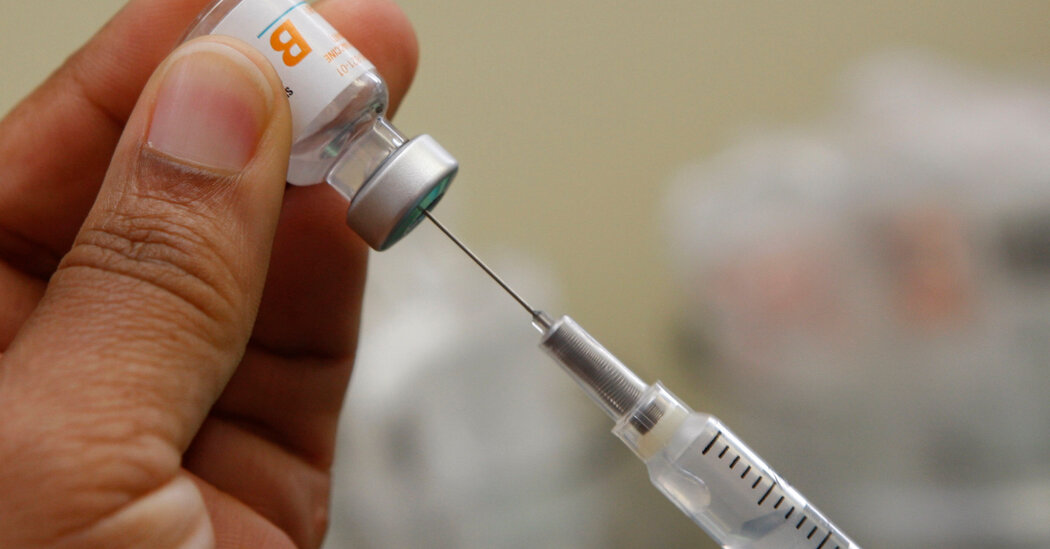
A weekly injection called bepirovirsen just did something no hepatitis B drug has done in decades—it made the virus disappear in one out of every five patients, for good, after they stopped treatment. Doctors are calling it the beginning of the end for a lifetime sentence.
LONDON / PHILADELPHIA
Hepatitis B is the quiet hijacker. It slips into the liver, makes itself at home in DNA, and for 254 million people worldwide, it never really leaves. Most don't know it's there. Those who do have been told the same thing for forty years: you'll be on medication every day for life, and even then, the virus will still be waiting.
This week, that script got rewritten. Results published in the New England Journal of Medicine show that an experimental drug called bepirovirsen drove a fifth of chronic hepatitis B patients into a "functional cure"—virus undetectable for at least six months after stopping treatment entirely.
For a disease that kills an estimated 1.1 million people annually through liver failure and cancer, that single number is the headline hepatologists have waited their entire careers to write.

The Numbers Behind the Breakthrough
The results come from twin Phase 3 trials (B-Well 1 and B-Well 2) enrolling over 1,800 adults across 29 countries. All participants were already on standard daily antiviral pills—which suppress the virus but almost never clear it. A functional cure happens in roughly 1% of patients per year on existing regimens alone.
Researchers added a weekly injection of bepirovirsen for 24 weeks. The result: 20% of patients in B-Well 1 and 19% in B-Well 2 met the functional cure definition, compared with zero percent in the placebo groups.
"Functional cure" means hepatitis B surface antigen drops below detectable levels and stays gone, with viral DNA also disappearing from the blood for at least 24 weeks with no drugs at all. For a virus that integrates into liver cell DNA, that's about as close to "gone" as medicine gets.
How a Shot Tricks a Virus into Giving Up
Bepirovirsen is an antisense oligonucleotide—a lab-built strand of genetic material designed to destroy the RNA that hepatitis B uses to build its surface antigen. That alone would be a precise antiviral. But it also appears to wake the immune system back up: by knocking surface antigen levels down fast, it interrupts the virus's truce with the immune system, giving the body's own defenses a chance to finish the job long after injections stop.
That dual mechanism—molecular sabotage plus immune wake-up—is why scientists are using the word "cure" instead of "control."
Not Without a Cost
Side effects appeared in 91% of bepirovirsen recipients versus 73% on placebo—mostly injection-site reactions and flu-like symptoms. Severe adverse events occurred in 16% of treated patients versus 3% on placebo. The risk-benefit math will be scrutinized closely.
And "one in five" means four in five still didn't achieve a functional cure. This is a major step, not a universal fix. Researchers are already looking at combinations, longer dosing, and biomarkers to predict who's likely to respond.
The Regulatory Road Ahead
GSK expects to bring bepirovirsen before regulators for an approval decision later in 2026, with FDA Breakthrough Therapy and priority review status already granted. China's regulators have also accepted it for review—significant given the Western Pacific's disproportionate share of cases.
If approved, it would be the first new mechanism-of-action hepatitis B therapy in roughly 20 years.
The Human Stakes
A "you'll be on this forever" diagnosis means years of liver monitoring, anxiety about reactivation, and stigma from a disease wrongly associated with shame. Hepatitis B is also a leading cause of liver cancer worldwide. The WHO aims to eliminate viral hepatitis by 2030—a target that has looked increasingly out of reach. A drug that functionally cures even a fifth of patients would be a meaningful dent.
What This Means for You
If you have chronic hepatitis B, bepirovirsen isn't available outside trials yet. Don't stop current medication—doing so can trigger dangerous flares. But for the first time in two decades, there's a late-stage drug that doesn't just suppress hepatitis B—it can, in a meaningful subset of patients, end it. Patients on long-term therapy should ask their specialist about trial candidacy, especially if surface antigen levels are low.
Conclusion
Medicine doesn't often use the word "cure" about a chronic viral infection that integrates into human DNA. For one in five patients in rigorous global trials, bepirovirsen earned the right to use it. Regulatory review and refinement lie ahead. But for a virus that has quietly outlasted generations of treatment, a fifth of patients walking away cured—with no pills, no injections, and no virus detectable—is the kind of number that changes how an entire disease is talked about.
Published By | Features Editor