Written By | Staff Writer
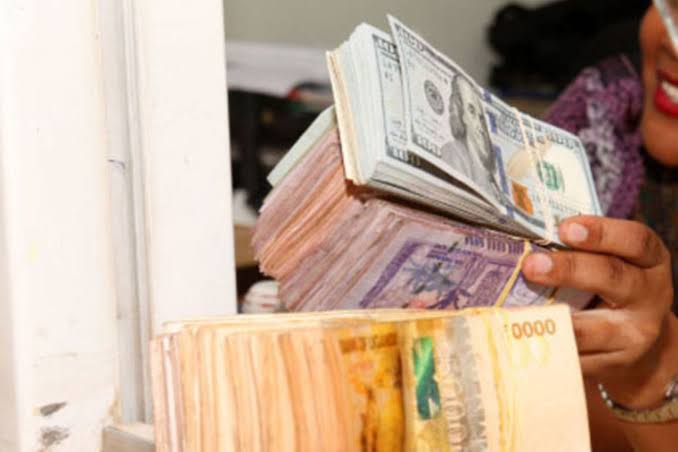
A sharp September depreciation, central bank tightening and a parliamentary warning on oil revenue are converging on the same question: how soon can Uganda's oil start paying its way?
BUSINESS AND ECONOMY
Uganda's economy is being pulled in two directions at once. On one side, the Ugandan shilling has weakened to levels not seen in about two years, driven by a surge in global oil prices and heavy dollar demand. On the other, the long-awaited start of domestic crude production, expected to ease pressure on the external accounts, has slipped again. On 7 October 2026, Parliament's Budget Committee added its voice, raising an alarm over the repeated delays and what they mean for revenue forecasts.
The shilling's September slide
The Daily Monitor reported on 15 September that the shilling had fallen past Shs3,900 to the US dollar, its sharpest weekly decline in nearly two years, as oil prices climbed to $109 a barrel and fuel importers scrambled for dollars. Stephen Kaboyo of Alpha Capital Partners said the currency was "moving in lockstep with crude prices." A follow-up analysis by the same paper put the move at 4 to 5 percent in under three weeks, from about Shs3,740-3,780 at the end of August to about Shs3,920-3,930 by 15 September, adding roughly Shs150,000 to the cost of $1,000. Bloomberg, cited by the briefs.co news service, described the shilling as Africa's worst-performing currency over the month, down nearly 6 percent. A Bloomberg headline on 5 October reported the shilling at a record low, though the article itself was not accessible for this briefing, so the exact level is not confirmed here.
The Monitor's analysis traced the pressure to several sources. Brent crude rose from about $75 in July to above $105 after an 11 September drone strike on Saudi pipeline infrastructure that was reported to have removed about four million barrels a day from the market. Uganda imports nearly all of its fuel, so a higher oil price translates directly into greater demand for dollars. Seasonal restocking by traders ahead of the December festivities adds to that demand. US Treasury yields near 5 percent, the highest since 2007 according to the report, also risk drawing offshore investors out of Ugandan debt. Absa's Richard Nsubuga pointed to vulnerability to "offshore investor demand and Middle East uncertainty," and analysts cited strong dollar demand from telecoms and manufacturers.
What the Bank of Uganda has done
The Bank of Uganda (BoU) has leaned on liquidity tools rather than interest rates or direct intervention. At its August meeting it held the Central Bank Rate at 9.75 percent, citing headline inflation of 4.0 percent in July and a risk that higher food, fuel and input prices could feed broader inflation. Governor Michael Atingi-Ego said at the time that the risk of a broad-based rise persists. The Monitor counts the hold as the seventh consecutive month.
In mid-September the bank raised the cash reserve requirement for commercial banks from 11 percent to 13.5 percent, effective 24 September. Reports differ slightly on the announcement date, 15 or 17 September. The Monitor says this followed an earlier increase in August from 9 percent to 11.5 percent, a description that does not quite match the 11 percent starting point in other reports, so the precise sequence should be treated with caution. The aim, the bank said, is to support prudent liquidity management and improve the transmission of monetary policy. Adam Mugume, the bank's executive director for research and policy, told reporters that selling dollars to prop up the shilling would be "policy inconsistency" and said policymakers have sufficient tools to contain volatility.
Inflation remains contained for now. The Monitor reports August headline inflation of 4.1 percent and core inflation of 3.5 percent, below the bank's 5 percent target, but energy, fuel and utilities inflation was 14.9 percent in July, up from 11.9 percent in June. A weaker shilling and expensive fuel are the obvious routes by which that could spread. The bank's August outlook projected headline inflation of 5.5 to 6.0 percent over the next twelve months. Foreign reserves of about $6.7 billion were noted as modest relative to some regional peers, though the BoU reported a balance of payments surplus of $2.4 billion in the 12 months to June 2026.
Oil revenue slips again
The second thread concerns oil itself. On 7 October, PML Daily reported that Parliament's Budget Committee, chaired by Amos Kankunda, toured oil and gas projects in the Albertine Graben and voiced concern about repeated delays to first oil and their effect on revenue projections. The committee was told that the East African Crude Oil Pipeline is 92 percent complete across 1,443 kilometres from Hoima to Tanzania, that the Tilenga project is 78 percent complete with 256 wells drilled, and that Kingfisher is 90 percent complete with all 22 production wells drilled. Peak output is expected at around 230,000 barrels a day, with a reserve life of 25 to 30 years. Kankunda warned that "budget projections have been premised on future petroleum revenues."
The delays have a long history. The Daily Monitor noted in August that Uganda missed first-oil targets in 2018, 2020 and 2025, with government quietly pushing a mid-2026 target toward the end of the financial year. It reported that the sector has created more than 22,000 direct jobs, about 85 percent held by Ugandans, and that state revenues are expected to range from $1 billion to $2.5 billion a year once production begins. The Monitor's September analysis said commercialisation had slipped to the second half of the 2026/27 financial year, meaning January to June 2027, delaying what would be a structural offset to import costs.
Why it matters
The two stories reinforce each other. When oil prices spike, Uganda pays more for imported fuel and the shilling weakens. If the country were exporting crude and earning dollars, a price spike would be a partial hedge instead of a pure cost. Instead, the country is exposed to the downside of high prices without yet collecting the upside. The delay also matters for the budget: the government's own growth and revenue forecasts have leaned on oil. The Budget Committee's warning suggests legislators are unwilling to take those projections at face value.
There are mitigating factors. The BoU has pointed to a sizeable balance of payments surplus and strong gold exports, and inflation is still below target. The central bank's August outlook projected growth of 7.0 to 7.5 percent in 2026/27 after 6.4 percent in 2025/26. But the bank itself flagged geopolitical disruption and capital outflows as risks.
What to watch next
Watch the shilling's path against crude prices and whether the BoU's liquidity tightening is enough to steady it without a policy rate move; the next monetary policy decision and the September and October inflation prints, particularly energy and fuel components; any official revision of the first-oil date and its effect on the budget framework; and the progress figures for EACOP, Tilenga and Kingfisher, which will indicate whether the latest target is realistic.




