Written By | Sports Desk
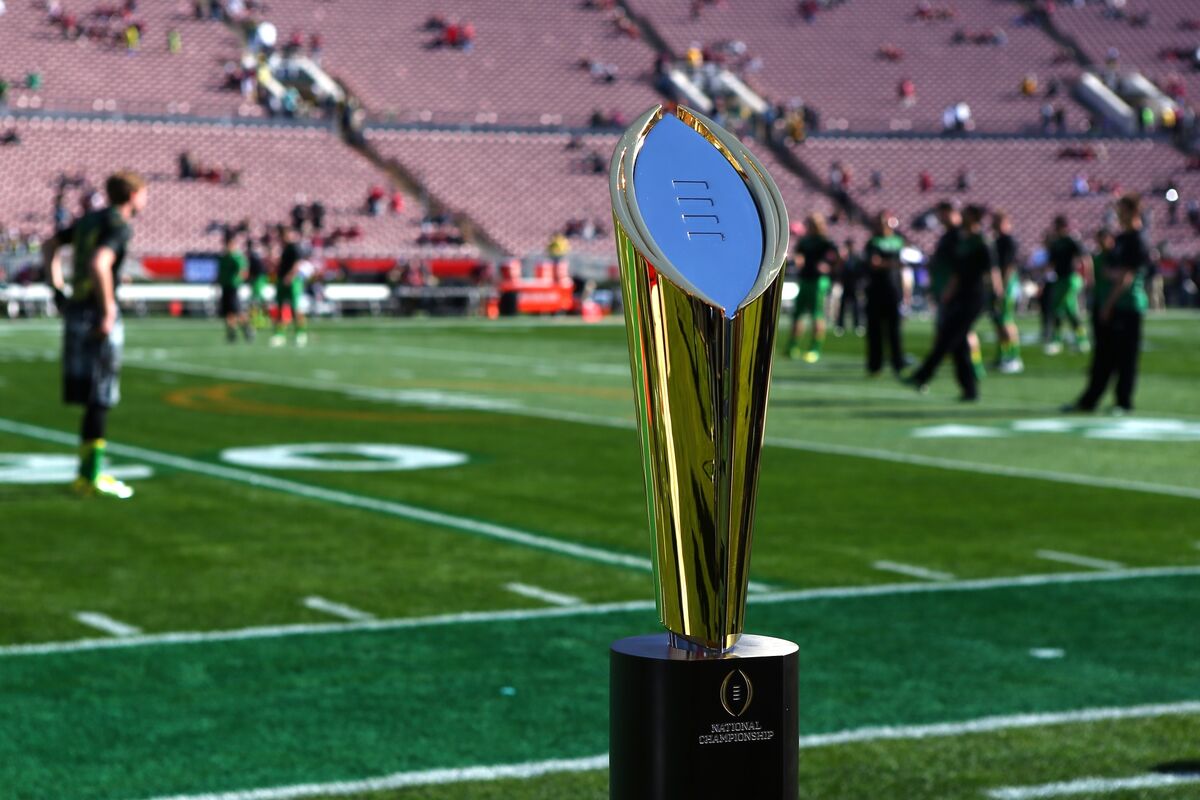
A reported $300 million-a-year raise, a bye week where conference title games used to be, and a lot of campus stadium lights: inside the TV deal that will reshape the sport's postseason.
BRISTOL, Conn.
The deal that is "95 percent done"
The most important game of college football's next era may be one nobody will ever watch: the negotiation over who gets to broadcast the expanded College Football Playoff. According to a report this week, that negotiation is nearly over, and the winner is the network that has always won. ESPN is reportedly close to a deal that would keep its exclusive rights to a 24-team playoff beginning next season, as Sports Media Watch relayed on October 15.
The reporting comes from Ralph D. Russo, Chris Vannini and Andrew Marchand of The Athletic, who describe the agreement as "95 percent done." The playoff itself was more guarded. A late-Thursday statement from the College Football Playoff offered no financial or structural details, saying only that it thanked ESPN for its "strong relationship" and pointed to "productive dialogue" during negotiations. In the language of sports business, that is about as close to a handshake as a press release gets.
For fans, the headline is continuity. ESPN has held exclusive rights to the playoff since its inception, and before that it held exclusive rights to the final Bowl Championship Series iteration. If the reported deal is finalized, a Saturday-night staple of the sport will stay where viewers already know to find it.
The money: a $300 million raise
The reported numbers are large even by the standards of modern sports media. The new deal would add more than $300 million a year in rights fees on top of the $1.3 billion ESPN already pays annually. That is an increase of roughly a quarter on an already enormous base, in exchange for what amounts to a bigger product: an additional round and 12 new game windows to program.
There is a catch, and it explains why the raise is not simply a windfall. Expansion to 24 teams would cancel conference championship games, which are believed to be worth between $200 million and $250 million depending on the report. ESPN, which televises many of those games, would recoup some of that cost through rebates tied to the cancellations. In other words, the extra $300 million is partly the price of replacing one set of inventory with another, and the net math is more complicated than the headline figure suggests.
How a 24-team playoff would actually work
The format described in the reporting is a notable departure from the calendar fans know. Conference championship weekend would become a bye week for playoff teams, with first-round games the following weekend. The bottom 16 teams in the field would play in that first round. The eight winners would then meet the top eight seeds in the second round. Both of those rounds would be played at campus sites.
Beyond that, the structure is familiar. The quarterfinals, semifinals and National Championship would remain at the New Year's Six bowl games. The result is a bracket that blends two college football traditions: the raucous home-field atmosphere of a December campus game, and the pageantry of the big bowls in January.
The campus-site detail is worth dwelling on. Playoff football played in a home stadium in December, with weather and a student section as supporting characters, is a very different television product from a neutral-site game in a domed arena. It is also a different product for a ticket-buying fan, a point we return to below.
Who else gets a slice: TNT Sports
Exclusivity at the top does not mean a closed door. ESPN currently sublicenses about half its playoff inventory to TNT Sports: two first-round games, two quarterfinals and one semifinal. The reporting summarized by Sports Media Watch does not spell out how that arrangement would carry into a 24-team format, and nobody should assume it simply scales up. With a larger first round and 12 additional windows, the allocation of games between ESPN's platforms and any partner is among the details still to be settled in the public record.
What the sublicensing arrangement does show is that the rights picture has been more fluid than the word "exclusive" implies. Viewers have already become used to finding playoff games on more than one network, and the next contract will help decide whether that habit continues.
Why it matters beyond the money
The playoff's expansion is, at bottom, a bet that more games mean more audience, and the television deal is where that bet gets priced. A $1.6 billion-plus annual commitment, if the reported figures hold, signals that the network believes the extra round and extra windows will pay for themselves in advertising and subscriptions.
It also reflects how central live sports remain to the economics of television. The cancellation of conference title games, long a fixture of the regular-season calendar, shows how far the postseason has been allowed to reshape the schedule around it. Conferences that built traditions and revenue around those championship games are being asked to trade them for a seat in a bigger bracket.
What this means for you
If you watch at home, expect more playoff football in more time slots, most likely still anchored on ESPN's networks, with the possibility of some games on TNT Sports given the existing sublicense. A bye week where the conference title games now sit means a different rhythm to early December: fewer win-or-go-home weekends for the top teams, and a new first-round weekend for the rest.
If you attend games, the move to campus sites for the first two rounds could be the biggest change. Home playoff games can mean easier travel for some fans and tougher ticket demand for others. If you subscribe to ESPN's streaming services or a cable bundle, keep an eye on pricing: rights costs this large tend to find their way, eventually, into what consumers pay.
The bottom line
Nothing here is official yet. The deal is described as nearly done, not signed, and the playoff's own statement was careful not to announce anything. But the broad shape is clear: the same network, a much larger bill, a bigger bracket and a calendar that bends around it. College football has spent years debating how big its postseason should be. This week suggests the debate is being settled the way most big sports debates are, with a very large check.



