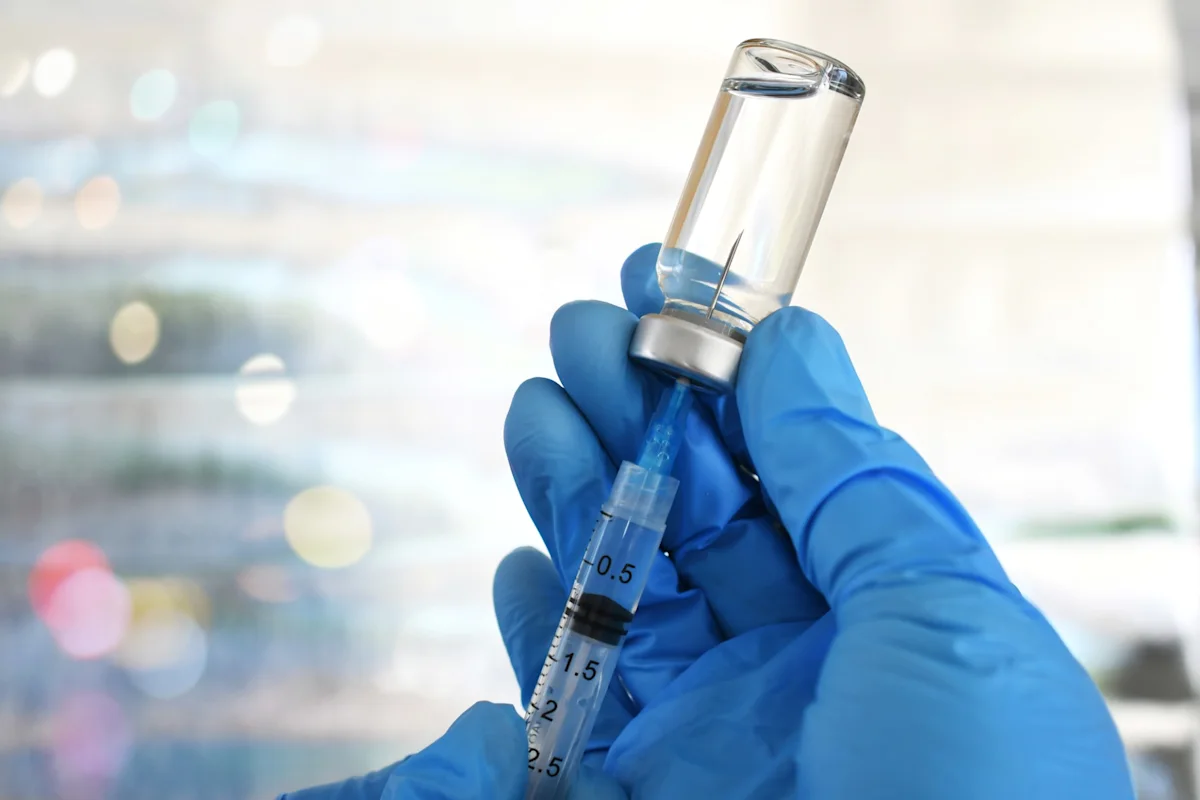
A single infusion that permanently edits a patient's own DNA just cleared its final clinical hurdle against a rare genetic disorder that can swell a person's throat shut without warning — and it's now racing the FDA's clock to become the world's first approved gene-editing drug delivered directly inside the body.
CAMBRIDGE, MASS.
Imagine never knowing when your hand, your gut, or your throat might suddenly start swelling — with no allergy trigger, no warning rash, sometimes no warning at all — and the swelling in your throat being the kind that can close off your airway and kill you within hours. That is daily life for an estimated 1 in 50,000 people worldwide who carry hereditary angioedema, or HAE, a rare genetic disease that has haunted families for generations with no actual cure, only management.
That may be about to change. Biotech company Intellia Therapeutics announced this year that its experimental one-time CRISPR gene-editing therapy, lonvoguran ziclumeran — known by the considerably easier nickname lonvo-z — met every primary and secondary goal in its pivotal global Phase 3 trial. The company has now begun a rolling submission of its biologics license application to the FDA, putting it on track to potentially become the first in vivo CRISPR-based gene-editing therapy ever approved for human use, anywhere in the world.
A Disease That Can Kill in Hours
HAE is caused by a genetic mutation, most commonly one affecting the C1 inhibitor protein, that leads to chronic overproduction of a molecule called bradykinin. Bradykinin dilates blood vessels and increases their permeability, causing fluid to leak into surrounding tissue — and when that happens in the face, throat, or airway, the result is laryngeal edema, a swelling that can fully obstruct breathing. Mortality estimates for untreated airway attacks run as high as 15% to 33%.
Beyond the throat, attacks regularly strike the abdomen, causing crampy pain, vomiting, and diarrhea severe enough to be mistaken for a surgical emergency, as well as the limbs, lips, and tongue. Some patients get a warning tingle or fatigue beforehand; many get nothing. Patients describe living with a kind of background dread — never sure if the next attack is a minor inconvenience or a trip to the ICU.
A Lifetime Sentence of Needles and Pills
Until now, there has been no cure for HAE — only lifelong suppression. The two leading prophylactic drugs illustrate just how heavy that burden is. Takhzyro (lanadelumab) requires an injection every two weeks indefinitely, at a price that runs upward of $26,000 per dose — north of $500,000 a year. Orladeyo (berotralstat), the first oral option, requires a pill every single day, priced around $42,500 per 28-day supply, or roughly $310,000 annually. One peer-reviewed study tracking 737 adult HAE cases found average annual medication costs of $363,795 per patient, plus more than $52,000 in indirect costs from missed work and care.
And neither drug cures anything — they only suppress symptoms for as long as a patient keeps taking them, forever, with all the injection-site pain, daily pill burden, and psychological weight that comes with managing a disease that could turn lethal if a dose is missed.
Editing the Disease Out, Permanently
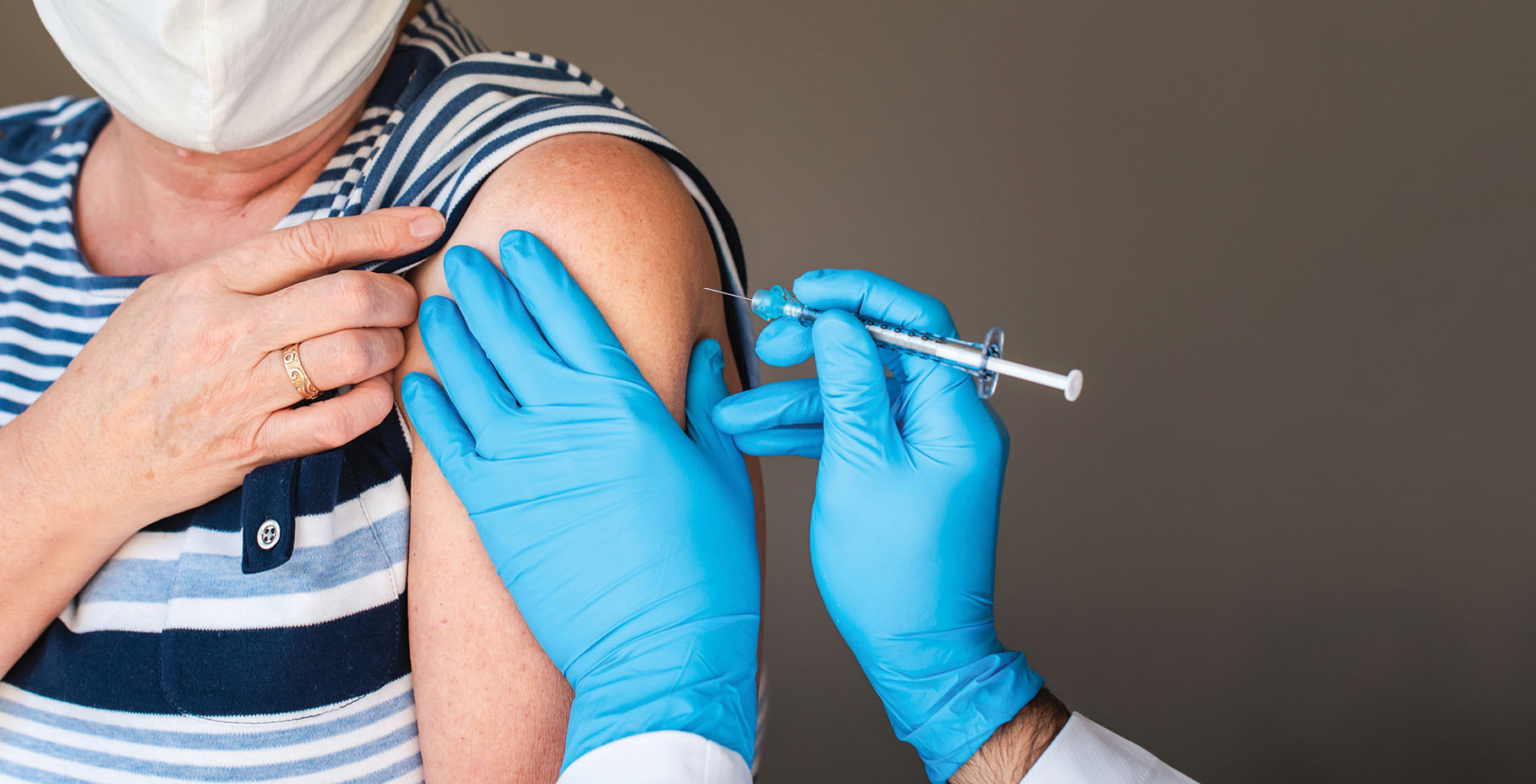
Lonvo-z takes a fundamentally different approach: instead of managing the downstream chemistry of an attack, it rewrites the genetic root cause. Delivered as a one-time intravenous infusion, the therapy uses CRISPR-Cas9 gene-editing machinery to permanently inactivate the KLKB1 gene inside a patient's own liver cells — the gene responsible for producing kallikrein, the enzyme that triggers the bradykinin cascade in the first place. Turn off that gene, and the body simply stops manufacturing the chemical chain reaction that causes attacks.
Because the edit happens directly inside a living patient's cells — “in vivo,” in the jargon — rather than editing cells in a lab dish and infusing them back in, a successful approval would mark a genuine first for medicine: the first time regulators anywhere have cleared a CRISPR therapy that edits a patient's DNA while it's still inside their body.
What the Trial Actually Found
The pivotal Phase 3 study, dubbed HAELO, enrolled HAE patients globally and tracked them for a six-month primary observation period after a single dose. The results, announced by Intellia in April, were dramatic: lonvo-z reduced HAE attacks by 87% compared with placebo. Even more striking, 62% of treated patients remained completely free of both attacks and any ongoing HAE therapy throughout the entire six-month window — meaning, for nearly two-thirds of patients, one infusion appeared to functionally erase the disease, at least for the length of the study so far.
Longer-term data presented separately, including three-year follow-up from the earlier Phase 1 trial, has suggested the effect holds up well beyond six months, though regulators and outside scientists will want more years of follow-up before anyone uses the word “cure” without caveats.
The Company's Pitch — and the Catch
“If approved, lonvo-z will become the world's first in vivo CRISPR-based gene editing therapy,” said John Leonard, M.D., Intellia's President and Chief Executive Officer.
Note the conditional: “if approved.” As of today, June 30, 2026, lonvo-z is not yet an approved drug. Intellia began its rolling submission of the biologics license application to the FDA in April and expects to complete that filing in the second half of 2026. If the agency grants approval on a standard review timeline, the company is targeting a potential U.S. launch in the first half of 2027 — meaning patients are still roughly six to twelve months, at best, from actually being able to get the therapy outside of a clinical trial.
There are real open questions regulators will scrutinize closely: the durability of a permanent genetic edit over decades, rare but serious risks associated with any CRISPR-based therapy (including the theoretical risk of off-target edits), and how a one-time treatment will eventually be priced against drugs that already cost patients hundreds of thousands of dollars a year, indefinitely. Gene-editing therapies for other rare diseases have carried price tags in the millions of dollars for a single dose — a number that could make lonvo-z simultaneously cheaper than a lifetime of injections and a brutal up-front sticker shock for insurers.
A Field That's Been Racing Toward This Moment
CRISPR gene editing itself is barely out of its teenage years as a usable medical tool. The technique, which lets scientists cut and edit DNA at precise locations using a system borrowed from bacterial immune defenses, won its discoverers, Jennifer Doudna and Emmanuelle Charpentier, the Nobel Prize in Chemistry back in 2020. The first CRISPR therapy ever approved for human use, a treatment for sickle cell disease and beta thalassemia, reached patients only a few years ago — and even that breakthrough required removing a patient's bone marrow cells, editing them in a lab, and infusing them back in. Editing genes while they remain inside a living patient's body, as lonvo-z does, is a meaningfully harder and riskier engineering problem, which is exactly why no company has gotten it across the regulatory finish line yet.
Intellia isn't the only company chasing this prize. Rivals including CRISPR Therapeutics, Beam Therapeutics, and Verve Therapeutics are all developing their own in vivo gene-editing candidates for other diseases, from high cholesterol to other rare genetic blood disorders. Whichever therapy crosses the finish line first will set the template — scientifically, regulatory, and commercially — for everything that follows, which is a significant part of why Intellia's HAELO results landed with such force across the biotech industry this spring.
What This Means for You
If HAE runs in your family, or you've been navigating its expensive, relentless drug regimen, this is the closest the field has ever come to a genuine one-and-done fix — but it is not available yet, and won't be for at least several months, likely longer. Patients should keep taking their current prescribed prophylaxis and stay in close contact with their allergist or immunologist, who will be tracking the FDA review closely.
For the wider public, lonvo-z matters even if you've never heard of HAE, because it's a bellwether. If the FDA clears it, it will be the first proof that doctors can safely and durably edit a gene inside a living patient's body to permanently shut down a disease — opening the door for similar one-time fixes for other genetic conditions that currently require lifelong, expensive management, from certain cardiovascular disorders to other rare inherited diseases already in earlier-stage trials at competing biotech firms.
Patients and families affected by HAE can track the FDA review through Intellia's investor and patient-facing announcements, and many are expected to enroll in long-term follow-up registries even after approval, since regulators will want years of real-world data on how durable — and how safe — a permanent genetic edit really is.
The Bottom Line
Hereditary angioedema has spent decades being managed, never cured — a disease controlled through needles, pills, and constant vigilance against an attack that could close a patient's airway with little warning. Lonvo-z's Phase 3 results suggest that era might be ending. Whether the FDA agrees, and how the world prices the first in-body genetic cure, will play out over the next year — but for the first time, “cure” is a word HAE patients and their doctors can use without irony.
Published By | Features Editor