Written By | International News Agencies
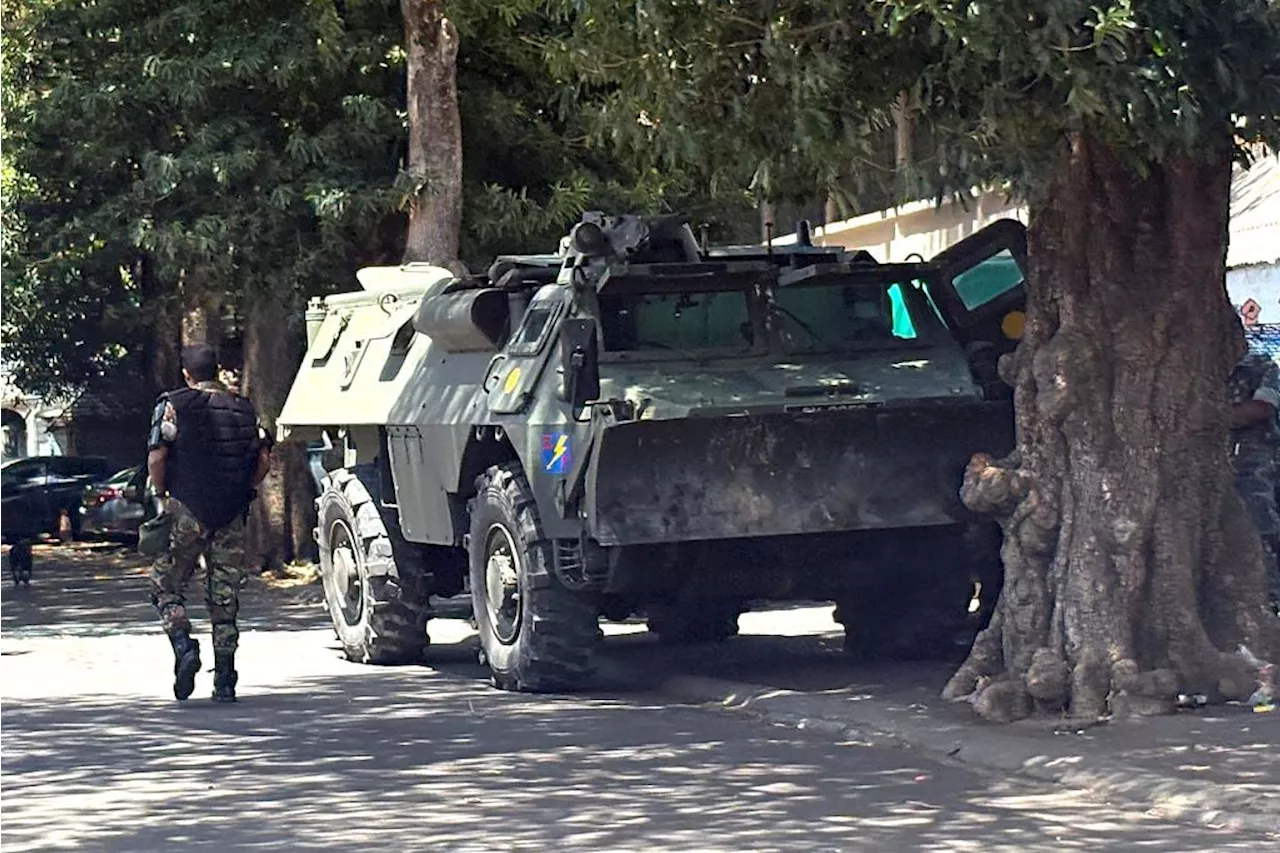
Demonstrations that began in the interior on Oct. 7 escalated after a police officer shot and wounded a woman
PORT LOUIS, Mauritius
The government of Mauritius has imposed an overnight curfew across roughly a third of the island after protests over water shortages and the rising cost of living turned violent. Demonstrations that began in the interior on Oct. 7 escalated after a police officer shot and wounded a woman. Protesters then torched a police station, looted supermarkets and blocked roads with burning tyres. allAfrica called the episode the island's worst unrest in decades. For a country that prides itself on peaceful elections and political stability since independence in 1968, the crisis is a stern test for Prime Minister Navin Ramgoolam. It is also a warning that a drought and an energy-price shock can strain even one of Africa's wealthiest and best-governed states.
A timeline of escalation
The sequence of events is drawn from a report by the business news service Briefs and from Agence France-Presse (AFP) dispatches. Briefs reported that protests began on Oct. 7 in the island's interior, where residents blocked roads with broken furniture and mattresses. On Oct. 9, police shot and wounded a 27-year-old woman, whom Briefs identified as Elodie Thomas. AFP, which did not name her, reported that according to witnesses the officer "fired without warning" and hit her in the neck. The AFP report also said she remained in hospital. allAfrica described the shooting as occurring at a roadblock and said its circumstances were unclear. The sources reviewed for this story do not agree on every detail, and the officer's account has not been reported.
On Oct. 11, Ramgoolam said the investigation should proceed quickly. Briefs quoted him urging calm and saying that public anger was understandable but must not lead to more tragedies. On Monday, Oct. 12, visiting surgeons from India removed the bullet, according to Briefs and local media cited by AFP. The officer was taken into custody and formally charged, Briefs reported. AFP and allAfrica both said he had been arrested and brought before the courts, and allAfrica reported that he was remanded in custody. That same day, Briefs said, protesters in Rose Hill, south of Port Louis, set a police station on fire, burned tyres and set up roadblocks nationwide.
By Tuesday, Oct. 13, police said the situation was under control and roads were passable, according to Briefs. Banks and the stock exchange remained open. Schools were closed, bus services were set to end at 6 p.m., and the main business lobby urged firms to let staff work from home. That evening, authorities imposed the curfew. AFP reported that it covers ten administrative regions, mainly on the outskirts of towns, and ran from Tuesday evening until Wednesday morning. The exact hours were not specified in the reports reviewed. An AFP correspondent said no new violence had been reported once the curfew began.
The damage
AFP reported several cases of looting, notably at two supermarkets, and said police stations were attacked and several officers injured. It did not give a figure for the injured. allAfrica added that protesters vandalized public infrastructure and that schools and public transport were closed. The sources reviewed do not report a death toll, and none described deaths linked to the unrest. Nor do they give the number of people arrested, other than the officer, or the number of demonstrators involved.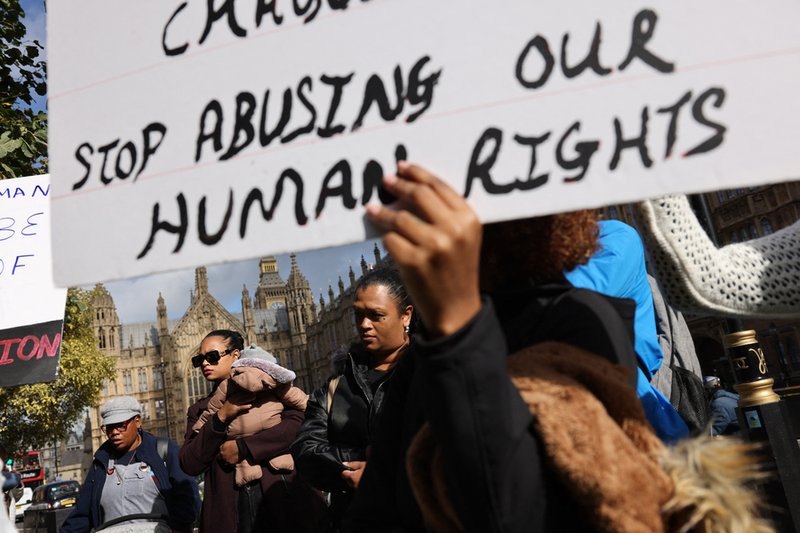
The roots: water, prices and a war far away
The immediate trigger was the shooting, but the underlying grievances predate it. Briefs said the protests were driven by water shortages and rising living costs, made worse by a crippling drought and weeks of water-use restrictions. It also said fuel prices had risen because of the war in the Middle East.
For a population used to reliable services, water rationing carries a political weight beyond its practical inconvenience. Mauritius has the second-highest per-capita income in Africa, behind Seychelles, Briefs noted, and it briefly reached high-income status in 2020 before the Covid-19 pandemic hit its economy hard, according to AFP. Its economy shifted over the decades from sugar to tourism, textiles and financial services. The combination of rising expectations and shrinking buffers is a familiar recipe for discontent. Historian and political analyst Jocelyn Chan Low told Briefs that police have again become the main target of public anger and that the violence has intensified, with stations and vehicles set on fire.
The government's response
Ramgoolam has paired calls for calm with a harder line. He said authorities would find the instigators and hold them accountable. According to AFP, he said: "we will identify the instigators," and that those responsible "will have to face the very heavy consequences" for what he called "anti-patriotic acts." Briefs reported that he called an emergency cabinet meeting on Tuesday afternoon. The prompt arrest and charging of the officer suggests the government wants to be seen as treating the shooting seriously, even as it signals that it will pursue those it holds responsible for violence and looting.
The two messages carry different risks. Prosecuting the officer addresses a core demand of protesters, accountability for police conduct. Labeling unrest as "anti-patriotic" and promising "very heavy consequences" could, however, be read by some as an attempt to shift blame onto agitators. The reports reviewed do not describe the position of the opposition parties, and the sources do not say whether Ramgoolam has offered any concrete measures on water supply or prices. Those gaps are important. Without a visible plan for the underlying shortages, the curfew buys time but resolves nothing.
International reaction and economic exposure
The British embassy told its nationals to expect further protests and to "avoid demonstrations and large public gatherings," AFP reported. The French embassy asked its community to exercise caution. Tourism is central to the island's economy, and such advisories can influence bookings. Zoë McCathie, a country risk analyst at Signal Risk, told Briefs that without prolonged unrest the effects on tourism and investor sentiment would likely be limited, citing Mauritius's business-friendly reputation. Her caveat, "without prolonged unrest," is the key one for the coming weeks.
Historical context
Mauritius has held peaceful elections since independence from Britain in 1968, Briefs noted, which is why unrest on this scale is rare. The most comparable episode cited in the reporting is from 1999, when the death in police custody of the singer Joseph Reginald Topize, known as Kaya, triggered three days of protests. According to the U.S. State Department, as cited by Briefs, churches and shops were burned and looted and several protesters were killed. The current crisis shares one important feature with that one, which is the central role of police conduct as the spark. It differs in that economic distress, rather than a single death, supplies the fuel. Commentary comparing the two should be read with care, since the 1999 events were also tied to demands on cannabis decriminalization, as Briefs reported, and no such issue is present in this year's coverage.
Analysis: a stable democracy under pressure
Mauritius is often cited as an example of how an African country can combine competitive politics, institutional strength and economic openness. That record is what makes the present moment notable. The state's institutional response so far has been orderly: an arrest, a charge, an emergency cabinet meeting, a time-limited curfew and public statements from the head of government. Banks and the stock exchange have continued to function. These are not the signs of a government losing control.
Yet the underlying risk is not a lack of control on one night but a lack of resolution over weeks. Analysts quoted by allAfrica warned that unrest could return if the water shortages last until the rainy season in December. That is roughly two months away, and a drought-related shortage cannot be quickly fixed by decree. If households continue to face rationing while prices rise, a further incident of police violence, a single death or an arrest of a popular figure could reignite protests. The government's challenge is therefore twofold: it must show that it is serious about accountability in the shooting case, and it must show that it has a credible plan to restore water supply and ease living costs.
What to watch next
Observers should look first at whether the curfew is extended, widened or lifted, and whether violence resumes after it ends. Second is the court process involving the officer, which will be read as a test of police accountability. Third is any announcement on water allocation, emergency supply measures or fuel and food price relief. Fourth is the position of the opposition parties and civil society, which has not yet been clearly reported. Finally, the foreign travel advisories and tourism bookings in the coming weeks will indicate whether the economic damage stays contained, as McCathie expects, or grows.



