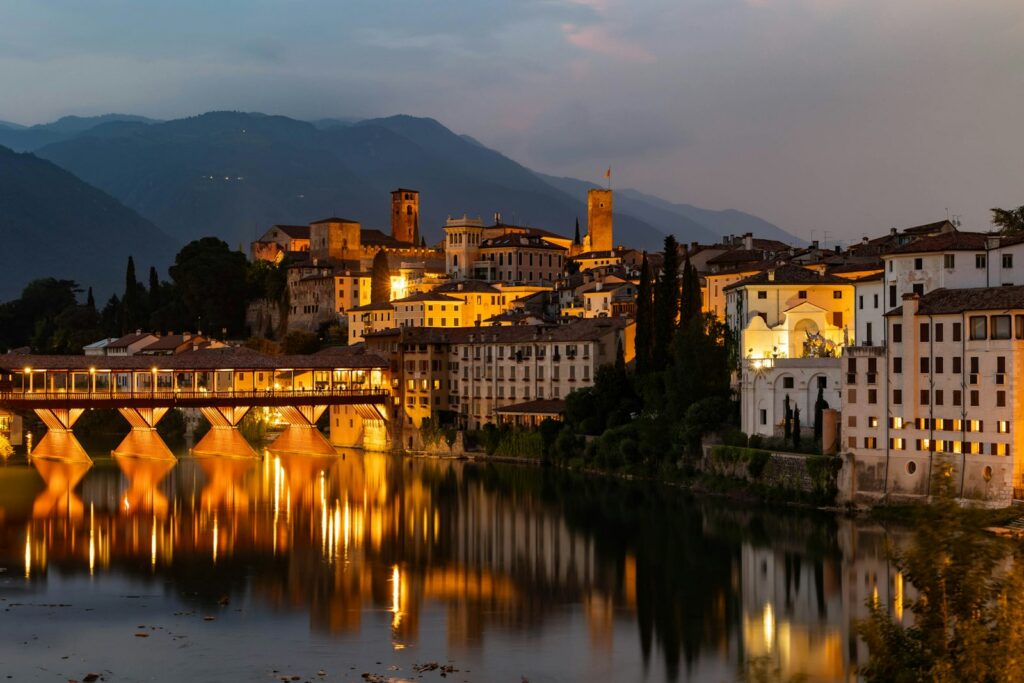
COMO, Italy
Lake Como is shaped like an upside-down Y, and for most of its history the two southern arms have functioned as separate worlds. Como, on the western branch, is silk, tourism, Rationalist architecture and a design economy that plugs directly into Milan. Lecco, on the eastern branch, is iron, mountains, engineering and a Politecnico campus. They are forty minutes apart by road and considerably further apart in reputation.
From Saturday, the Lake Como Design Festival will operate in both. The eighth edition runs September 12 to 20 under the theme "Confine" — the Italian word for border, boundary, limit — and the organisers have taken the unusual step of making the theme literal by expanding the festival outside Como's city limits for the first time.
The Theme, and What It Actually Argues
A festival theme is usually a piece of curatorial wallpaper. "Confine" is doing more work than that. The organisers have framed it not as a line that separates but as a threshold — a site of crossing, exchange and productive contamination rather than division.
That is a pointed argument to make in 2026, and it is one design is unusually well placed to make. Designers work at boundaries constantly: between craft and industry, between the object and the room, between the material a thing is made of and the culture it is made for. A festival that takes the border as its subject is really asking what happens at the seams — which is where most of the interesting work in contemporary design is happening anyway.
Two Villas, Two Arguments
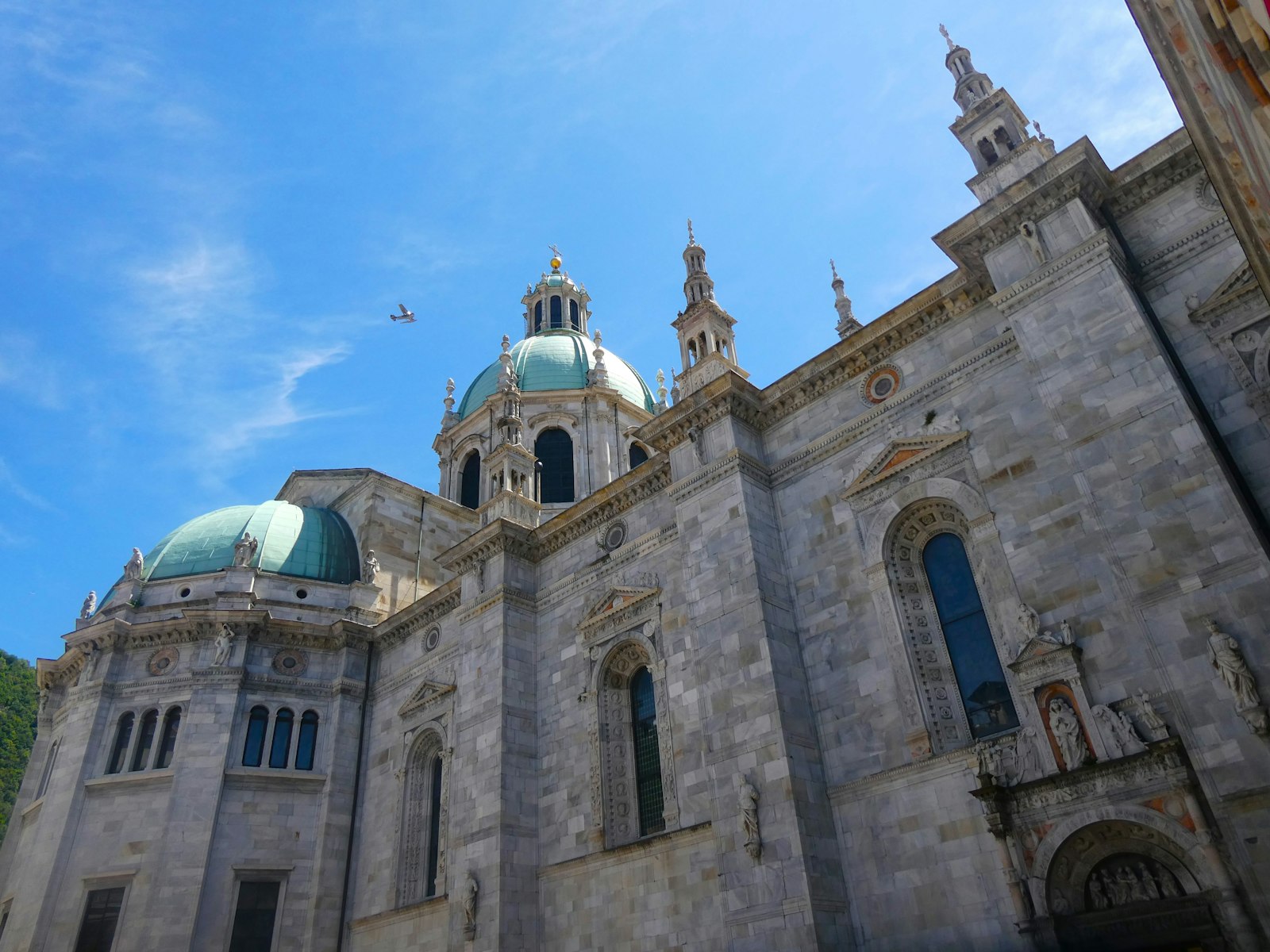
The programme's spine remains in Como, split across two lakeside villas that between them stage the festival's central dialectic.
At Villa del Grumello, "Future in the Past" addresses the relationship between memory and project — how designers draw on inherited forms, techniques and archives without collapsing into pastiche. It is the historical half of the argument.
At Villa Saporiti, the Contemporary Design Selection makes its debut in the building. Saporiti is a splendid late-eighteenth-century neoclassical villa, and hosting the festival's most forward-looking programme inside it is a deliberate juxtaposition. The selection is curated by Giovanna Massoni, with projects examining contamination between design, art and sustainability — the contemporary half, deliberately staged in the oldest room available.
Over the Mountain
The genuinely new element is Lecco. The festival has partnered with Università degli Studi dell'Insubria, the Conservatorio di Como, the Accademia di Como Aldo Galli/IED and Politecnico di Milano's Lecco campus to build a programme on the lake's other arm.
The headline exhibition there, "Unstable Borders," is staged at the Politecnico Lecco campus and tells the story of a mountain in motion — geology as a boundary that refuses to stay still. In a region defined by steep, unstable slopes and a long history of landslides, that is not an abstract metaphor. It is a description of the local ground conditions, reframed as a design problem.
Also in Lecco, "Oltre al Vedere" — "beyond seeing" — sets out to make art and design accessible to blind and visually impaired visitors. It is the kind of programming that design festivals routinely promise and rarely deliver, and its presence in the expansion programme rather than the flagship venues is itself a small statement about where the festival thinks its edges are.
Boats, Because This Is Como
In Laglio, on the western shore, the historic headquarters of Cantiere Ernesto Riva hosts an exhibition on sustainable navigation on Lake Como. The Riva boatyard has been building wooden craft on this lake for generations, and handing it a brief about the future of moving people across water is the festival's neatest single gesture: an inherited craft asked to solve a contemporary environmental problem, on the water it has always worked on.
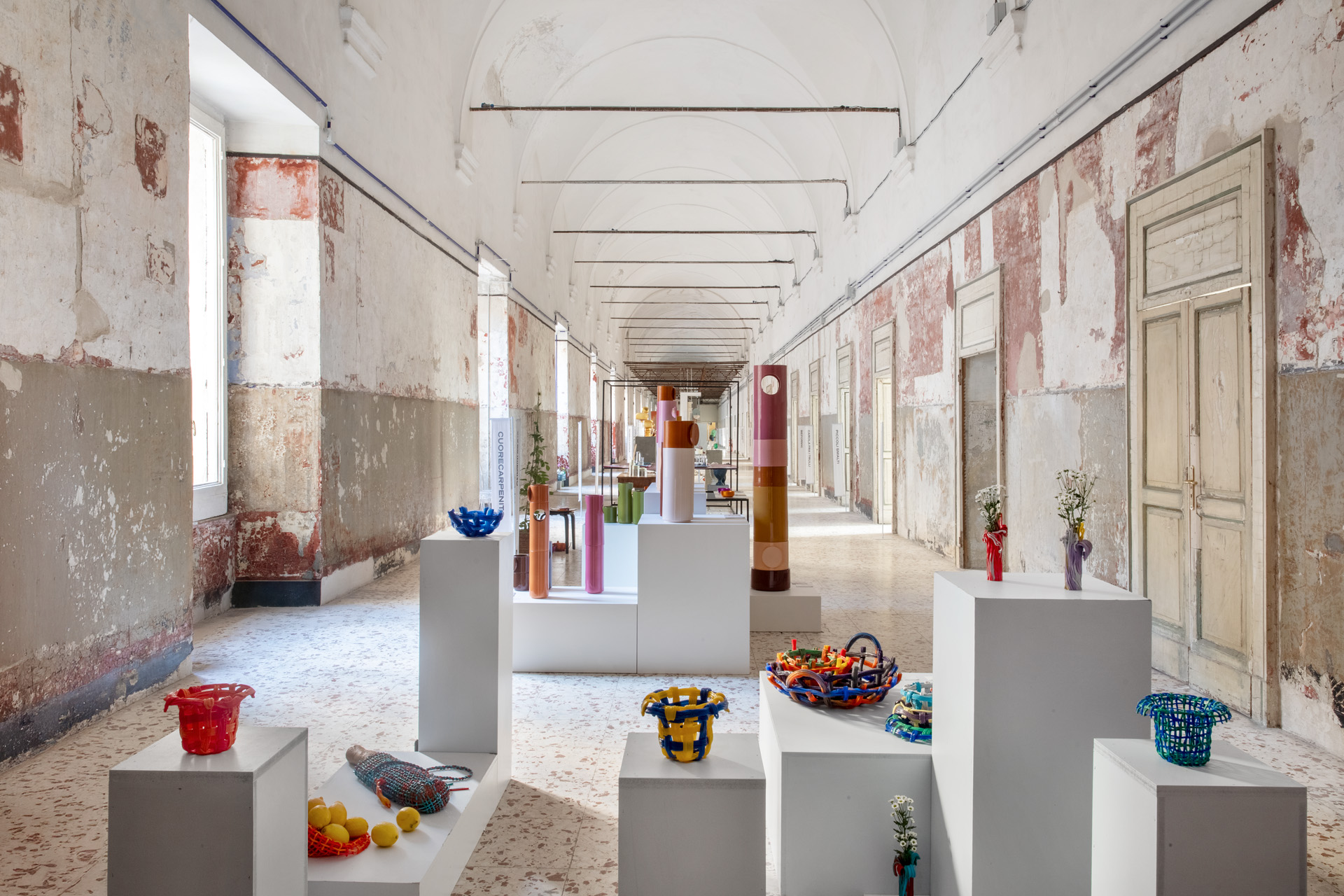
The wider programme includes exhibitions, talks, pop-up shops and cafés distributed across the city and, now, beyond it. The format is deliberately porous — visitors are expected to move between venues, and the walk between them is treated as part of the experience rather than an inconvenience.
The Calendar Problem
One complication is worth naming. Lake Como's dates — September 12 to 20 — are exactly the dates of the London Design Festival, which occupies eleven districts across the British capital and absorbs a very large share of the international design press for the same nine days.
For a mid-sized Italian festival in its eighth year, competing head-to-head with London is a strategic risk. It is also, arguably, the point. Lake Como is not trying to be a trade fair. Its proposition is slower and more specific: a small number of carefully curated exhibitions in extraordinary buildings, in a landscape that is itself part of the argument. Nobody flies to Como for the volume of stands.
What This Means for You
If you are planning a September design trip and have already committed to London, Como is a viable weekend add-on rather than a competing choice — Milan Malpensa is under an hour from the lake, and the festival is comfortably walkable across two or three days.
If you are not travelling at all, the more useful takeaway is curatorial. Watch what comes out of "Unstable Borders" and the Riva exhibition in particular. Both take a specific local condition — an unstable mountain, a boatbuilding tradition facing an emissions deadline — and treat it as a design brief rather than a heritage story. That approach, using place-specific constraints as the generator of new work, is spreading fast through European design education, and Lecco is about to produce a fairly public test of it.
The Bottom Line
Design festivals are, by nature, exercises in drawing a boundary: this is the programme, these are the venues, this is inside and that is outside. Lake Como has spent its eighth edition arguing that the boundary is the most interesting part — and then proved it by moving one. Whether the Lecco experiment becomes permanent is the question that will actually matter when the festival closes on September 20.
Published By | Features Editor