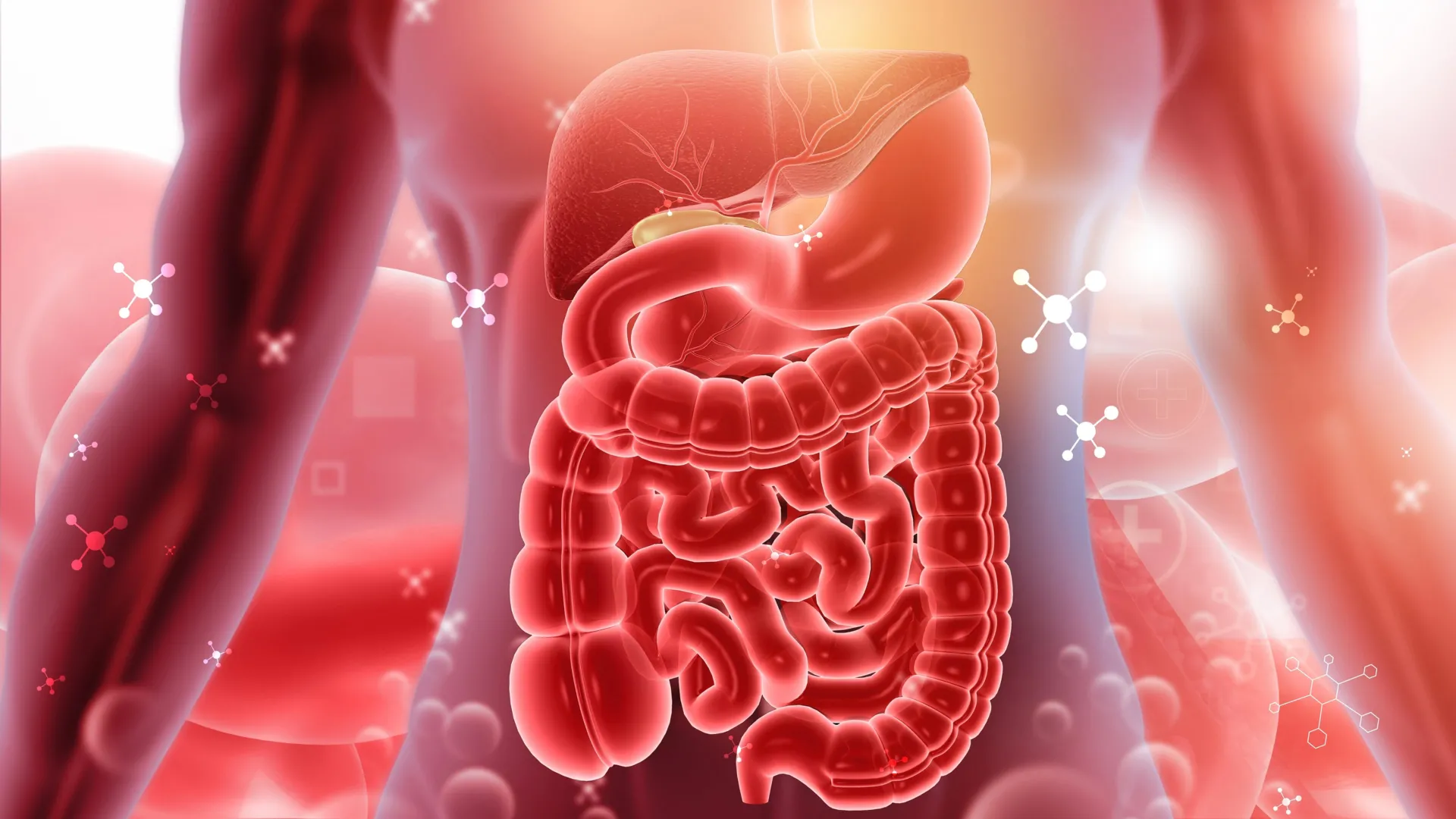
Oxford-led scientists say they have found why a gene variant flagged three decades ago drives severe inflammatory bowel disease, and one of Britain's top gut specialists is calling it "the most exciting discovery in a lifetime."
For roughly half a million people in the UK, and millions more worldwide, the daily reality of inflammatory bowel disease (IBD) means urgent dashes to the bathroom, crippling pain, exhaustion, hospital stays and, for many, surgery. For decades, doctors have been able to calm the flames but have struggled to explain why they started. Now a team of British scientists says it has found a missing piece of the puzzle: a hidden army of rogue antibodies that switch off the body's own anti-inflammatory brake.
The findings, published in the New England Journal of Medicine, come from researchers at the University of Oxford, Newcastle University and Cambridge University Hospitals NHS Foundation Trust. The study, titled "Interleukin-10 Autoantibodies and HLA-DRB1*01:03 in Inflammatory Bowel Disease," solves a puzzle that has hung over gut medicine for about 30 years.
The Brake That Stops Working
To understand the discovery, picture your immune system as a car. It needs an accelerator to fight infection and a brake to stop it attacking your own tissues. One of the most important brakes is a protein called interleukin-10, or IL-10, which tells the immune system to calm down when a threat has passed.
According to the research team, some people with IBD produce autoantibodies, which are antibodies that mistakenly target the body's own proteins, that block IL-10. With the brake cut, inflammation in the gut carries on and on, long after it should have been switched off.
Scientists have suspected for decades that IL-10 played a role in IBD. Senior author Holm Uhlig of Oxford said: "We've suspected an important role of interleukin 10 in patients with inflammatory bowel disease for decades." What has been missing is proof of exactly how the system fails in everyday patients, not just in the very rare children born with faulty IL-10 genes.
The 30-Year-Old Clue
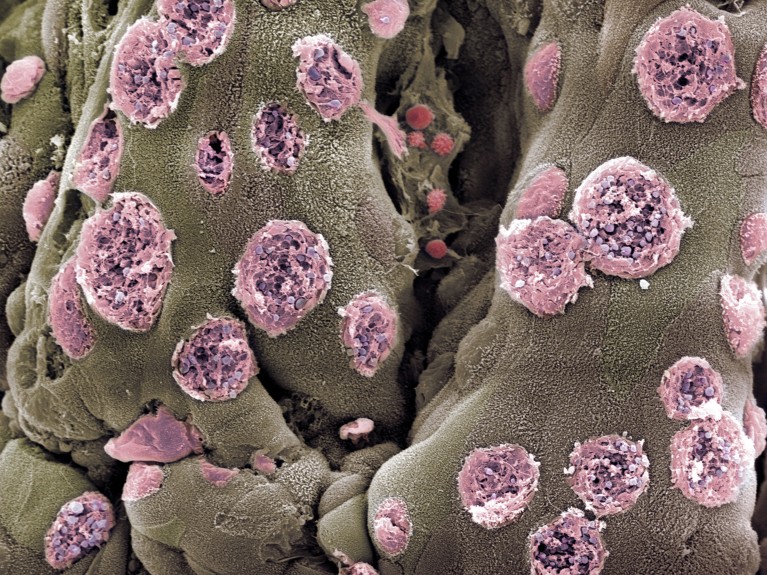
The discovery also solves a genetic riddle. About 30 years ago, researchers linked a variant of an immune gene called HLA-DRB1*01:03 to severe forms of IBD. The link was solid, but nobody could say why this particular gene variant should matter. It sat in the textbooks as a clue without an explanation.
The new study offers one. The team found that the IL-10-blocking autoantibodies are associated with that very same variant. In other words, people who carry HLA-DRB1*01:03 appear more likely to make antibodies that disable their own IL-10, and that may be why their disease can be so severe.
The Numbers Behind the Headline
The scale of the work is striking. The researchers examined more than 4,900 people with IBD. About 3.5 per cent of them had elevated levels of antibodies that neutralise IL-10. The antibodies turned up in people with both main forms of the disease, Crohn's disease and ulcerative colitis, but not in healthy individuals.
At first glance, 3.5 per cent may sound small. Applied to the UK, though, the researchers estimate that between 15,000 and 20,000 patients could be carrying these antibodies, out of roughly 500,000 people living with IBD. That is a community the size of a small town, many of whom may have spent years cycling through treatments without anyone knowing the real driver of their illness.
"The Most Exciting Discovery in a Lifetime"
The researchers were not shy about their enthusiasm. Simon Travis of Oxford, one of the study's senior authors, said: "This is the most exciting discovery in a lifetime specialising in IBD."
The paper's other senior authors are Sophie Hambleton of Newcastle University and Rainer Doffinger of Cambridge University Hospitals. Together, the group has pulled genetics, immunology and clinical medicine into a single story, which is part of why the finding is generating such interest.
Is IBD Really Several Diseases?
Perhaps the biggest implication is conceptual. IBD has long been treated as two broad conditions, Crohn's disease and ulcerative colitis, with patients often cycling through the same drug classes in the same order. The new work reinforces a growing view that IBD may actually be a group of biologically distinct conditions that look similar on the surface but have different causes underneath.
If that is right, treatment could eventually be tailored to the cause in each patient, instead of the current trial-and-error approach. A patient whose gut inflammation is driven by IL-10 antibodies may need a very different strategy from one whose disease arises another way.
What Could Come Next
The research team points to several possible paths, though all of them are at an early stage. The first is a blood test. If doctors can measure IL-10-blocking antibodies, they could identify these patients earlier, perhaps at diagnosis, rather than after years of failed treatment.
The second is treatment aimed at the antibodies themselves or at the immune cells that make them. In other autoimmune conditions, therapies that remove antibodies or the cells that produce them have transformed outcomes. Whether the same will work here is a question for future trials.
The third is cost and quality of life. Rainer Doffinger has suggested that earlier targeted treatment could reduce costly long-term therapy, hospital admissions and surgery. For patients, that would mean fewer operations, fewer flare-ups and a better chance of a normal working and family life.
It is important to keep expectations in check. The study's authors and the coverage surrounding it use cautious language, speaking of what "could" and "potentially" might happen. No such test or treatment is available to patients today, and it will take time, trials and regulatory review before anything reaches the clinic.
Why Antibodies Against Yourself Matter
Autoantibodies are a hallmark of many better-known conditions, from lupus to certain forms of thyroid disease. What is unusual here is the target. Instead of attacking a tissue directly, these antibodies disarm a messenger that the immune system relies on to keep itself in check. The damage is indirect but potentially profound, because without IL-10 signals, immune cells in the gut lining stay on high alert.
That distinction may matter for treatment. Many current IBD drugs work by blocking inflammatory signals further down the chain. If the underlying problem is a missing brake rather than a stuck accelerator, then treatments that restore or protect the brake, or remove the antibodies disabling it, could in theory be more effective for this group of patients.
The Wider Research Picture
The study also highlights the value of long-term, large-scale research. The genetic clue was found about 30 years ago, but it took a collaboration across three major UK institutions, and the examination of more than 4,900 patients, to turn that clue into a mechanism. It is a reminder that some of the most important answers in medicine take a generation to arrive.
A Condition That Reaches Far Beyond the Gut
IBD is not simply a bad stomach. Crohn's disease can affect any part of the digestive tract, from mouth to anus, while ulcerative colitis is confined to the colon and rectum. Both are lifelong conditions that tend to alternate between flare-ups and quieter periods. Symptoms commonly include persistent diarrhoea, abdominal pain, blood in the stool, weight loss and fatigue.
Living with IBD often means planning life around the nearest toilet, missing work or school, and coping with the emotional toll of an unpredictable and often embarrassing illness. Many patients describe a long road to diagnosis, followed by years of adjusting medications. A finding that points to a specific, measurable cause offers something patients rarely get: an explanation.
What the Findings Don't Say
There are limits to what the study shows. The 3.5 per cent figure means that the vast majority of IBD patients do not have these antibodies, so the discovery will not explain every case. Other mechanisms are certainly at work in the remaining patients, and researchers will need to work out how many distinct causes exist.
Nor does the work show that simply measuring antibodies will change outcomes. That will have to be proved in clinical studies. The results are best read as a major scientific step that opens doors, rather than a cure that is ready to walk through them.

What This Means for You
If you live with IBD, there is nothing you need to do differently today because of this study. Do not stop or change medication, and do not ask for tests that do not yet exist in routine care. Keep working with your gastroenterology team, and consider mentioning this research at your next appointment if you are curious about how your own disease might be classified in the future.
If you have persistent bowel symptoms, such as ongoing diarrhoea, blood in your stool, unexplained weight loss or abdominal pain, see a doctor. Early diagnosis matters, and the symptoms of IBD should never be dismissed as just stress or a sensitive stomach.
If you have a family member with IBD, the genetic angle may be of interest, but carrying the HLA-DRB1*01:03 variant does not mean that you will develop the disease. Many people carry genetic variants for conditions they never develop, and the gene is only part of a bigger picture that includes environment and the immune system.
The Bottom Line
Science rarely hands out neat endings, and this is not one. But it is a genuine turning point. A genetic clue that sat unexplained for three decades now has a mechanism, a measurable biological marker and a plausible path toward targeted treatment.
For the 15,000 to 20,000 UK patients who may carry these antibodies, and many more around the world, the immediate impact is hope rather than help. The hope is that a simple blood test might one day tell them why their gut is on fire, and that a treatment aimed at the real culprit might finally put it out. If the early enthusiasm of the Oxford, Newcastle and Cambridge team is any guide, the gut-health world will be watching closely for what comes next.
Sources: University of Oxford and partners via ScienceDaily (October 2026), reporting on the New England Journal of Medicine paper "Interleukin-10 Autoantibodies and HLA-DRB1*01:03 in Inflammatory Bowel Disease."
Published By | Health News Editor