Share
By Angabirwe Comfort
Postpartum depression (PPD) is real. It affects 1 in 7 mothers, yet like many mental health disorders, it remains shrouded in silence. The situation is even more dire in many African communities, where mental illness is often misunderstood—dismissed as witchcraft, spiritual affliction, or moral weakness. The stigma is devastating, leading countless women to suffer quietly, alone, and without support.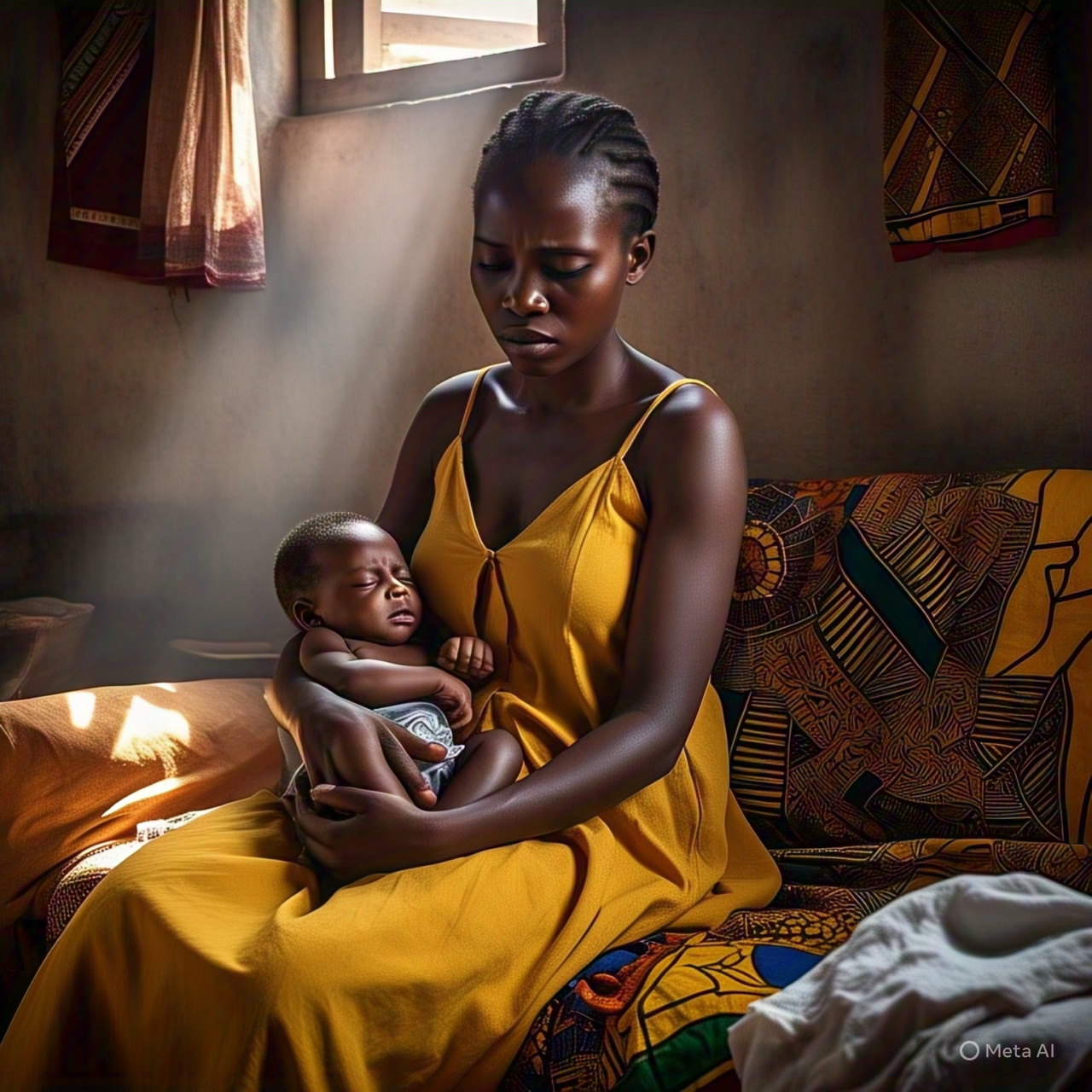
Picture Imagined by Meta AI
Having a baby is a life-altering experience that comes with a whirlwind of emotions—excitement, joy, fear, uncertainty, and even self-doubt. It's completely normal for new mothers to experience mood swings, crying spells, or trouble sleeping shortly after childbirth. These symptoms, often referred to as the “baby blues,” typically begin within a few days of delivery and fade within two to three weeks.
However, when these emotional struggles persist and intensify, they may indicate something much more serious: Postpartum Depression.
PPD is a clinical condition, not a weakness. Its symptoms can include excessive crying, withdrawal from loved ones, chronic fatigue, insomnia, appetite changes, difficulty bonding with the baby, feelings of hopelessness, and in severe cases, thoughts of self-harm or harming the baby. Some mothers experience recurring suicidal thoughts. These are not exaggerations—they are cries for help that often go unheard.
When asked how they’re doing, many women will mask their pain with phrases like “I’m fine” or “I’m hanging in there,” even as they silently spiral. One mother, after recovering from PPD, described the experience as “being in the dark while being afraid of the dark, so you don’t move—and nobody comes to save you.”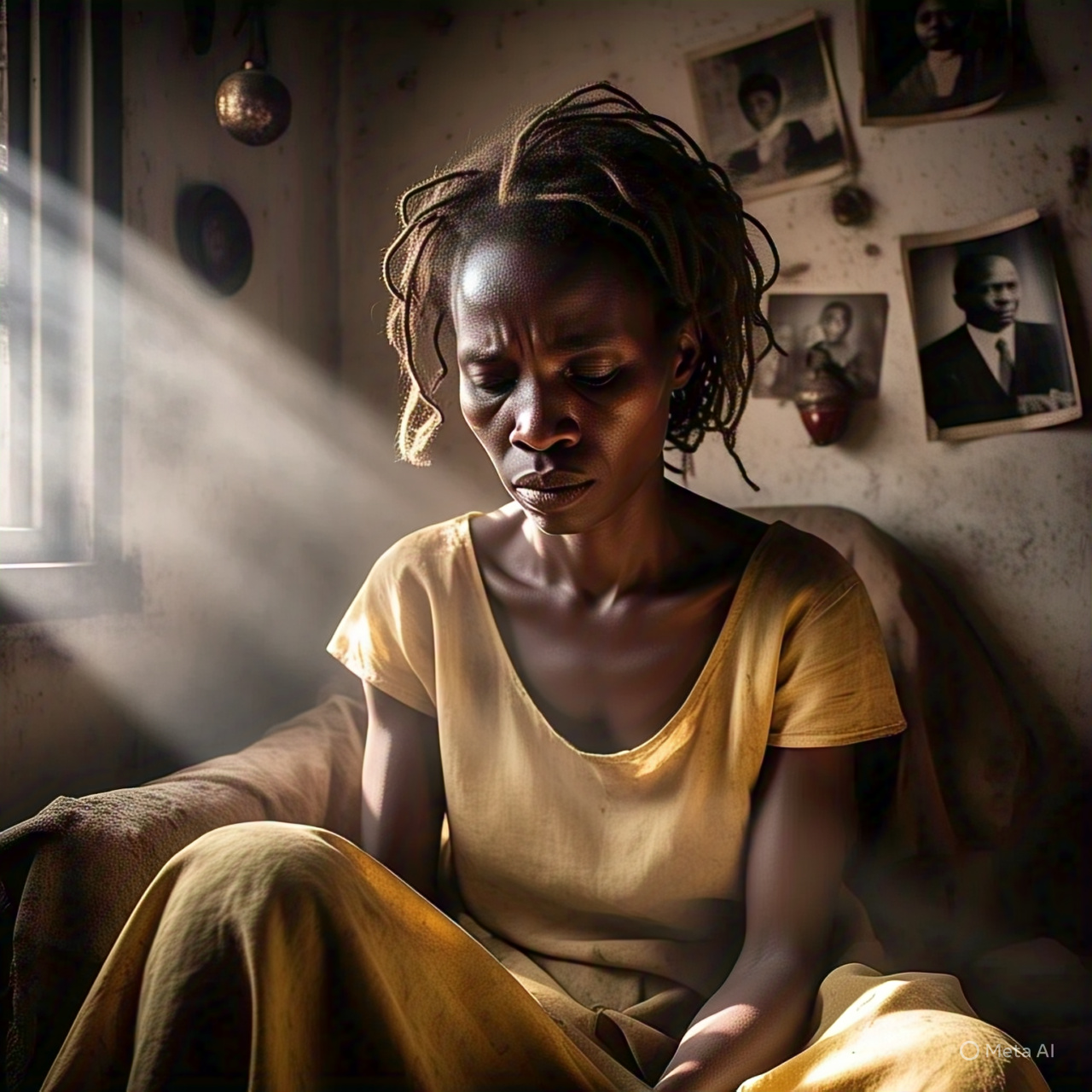
Picture Imagined by Meta AI
One of the cruellest aspects of postpartum mental illness is its ability to mute a mother’s instinct to seek help. Many women are unaware of the symptoms or lack the vocabulary to express what they are experiencing. Without proper knowledge, diagnosis, and support, they are left to battle alone.
As a society, we must do better. If you notice a friend, sister, daughter, or partner showing signs of PPD, don’t ignore it. Don’t wait, don’t hope it will pass. Step in. Ask. Act. Support. Help her access professional care. Mental health support should not be a privilege—it should be a priority.
Postpartum depression is real. And every mother fighting it deserves to be seen, heard, and healed.
The writer is a Clinician



