Hyères, France
Every summer, a modernist villa perched above the French Riviera town of Hyères becomes ground zero for the next generation of design talent. Villa Noailles, the 1920s cubist estate built for patrons Charles and Marie-Laure de Noailles, has hosted the Design Parade festival for two decades now, and this year's edition — marking a double anniversary, 20 years of the object design competition and 10 years of its interior architecture counterpart — just handed its top prize to a project that treats a museum vitrine and a video game cutscene as equally valid reference points.
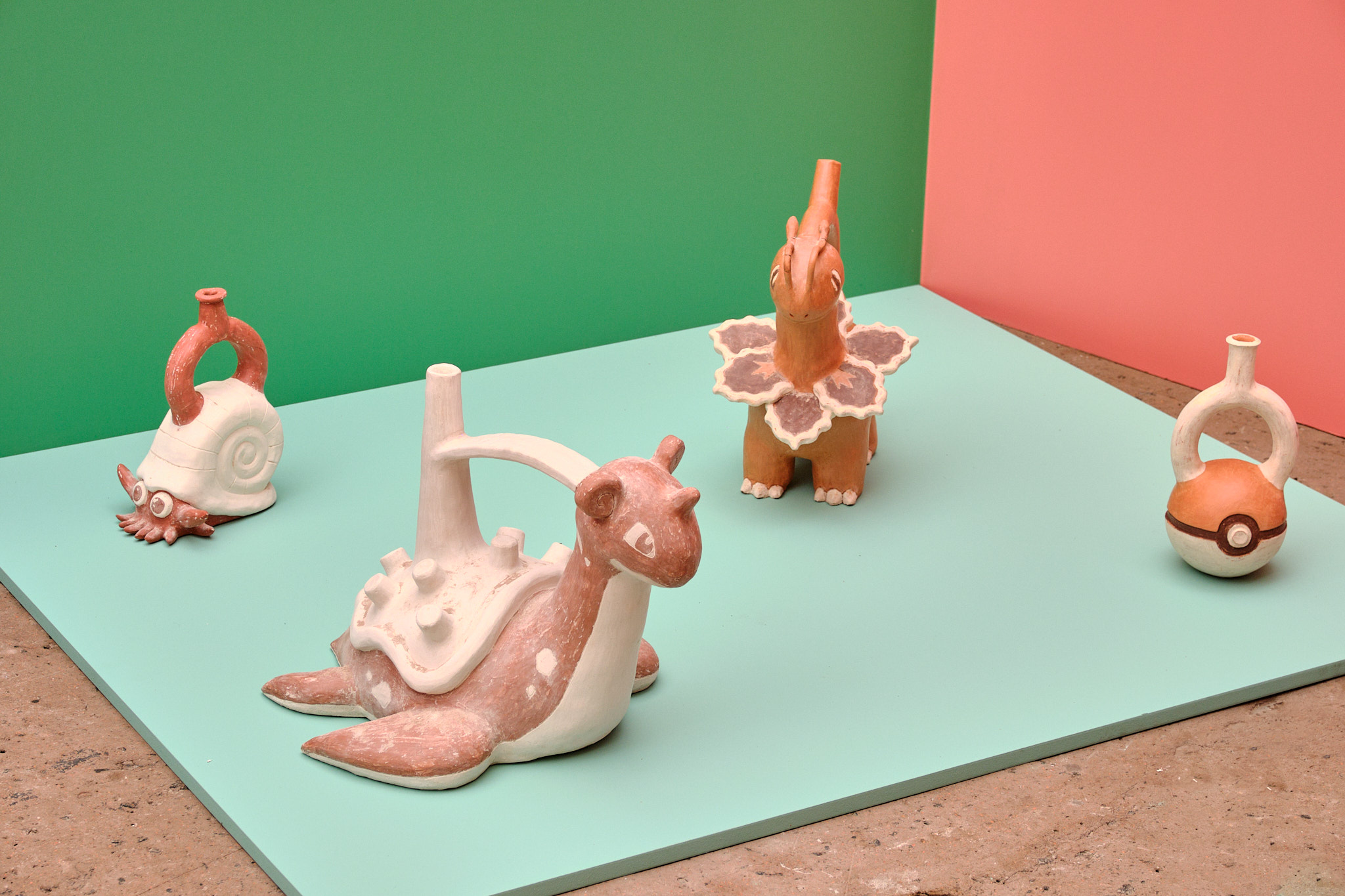
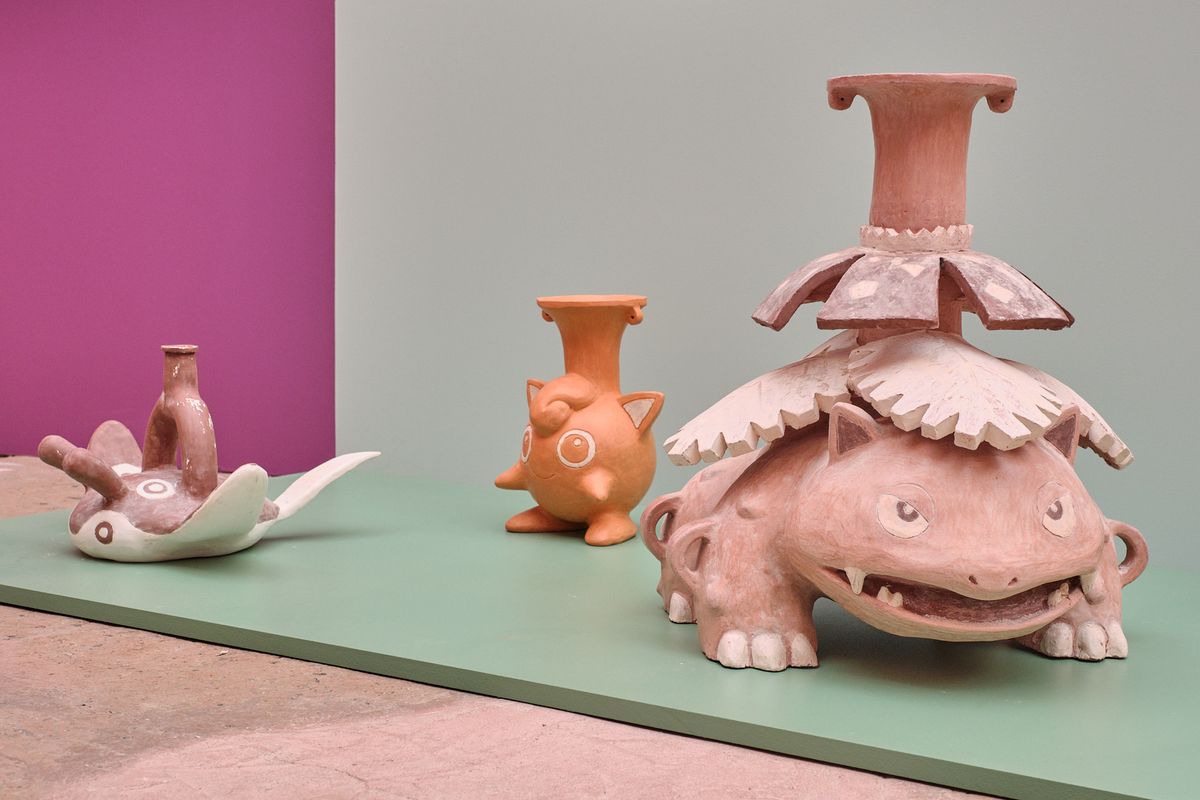
The Grand Prix du Jury for object design went to Tin Ayala, a designer from Ecuador, for a body of work titled Huacos. The name refers to huacos — ceremonial and utilitarian ceramic vessels made by precolonial Andean cultures, often shaped as human or animal figures and considered significant archaeological and cultural artifacts across Ecuador, Peru and Bolivia. Ayala's project doesn't simply reproduce or reference those forms reverently; it collides them with imagery lifted from video games and comic books, producing what the jury described as a set of speculative archaeological bottles that sit somewhere between artifact and invention.
An Object That Asks Questions
What distinguishes Huacos from a straightforward heritage-revival project is the friction Ayala builds into it deliberately. By fusing precolonial ceramic silhouettes with unmistakably contemporary pop-culture iconography, the work raises pointed questions about cultural heritage, identity, and the long shadow of colonization — not through wall text or artist statement alone, but through the visual logic of the objects themselves. A viewer encountering one of Ayala's bottles has to hold two registers at once: the weight of an archaeological form that predates European contact with the Americas, and the throwaway familiarity of a character design built for a screen. That tension is the point. The pieces function as a kind of speculative archaeology — artifacts from a timeline where ancestral craft and digital-native visual culture were never separated in the first place.
It's a concept that resonates well beyond the design world, tapping into a broader conversation happening across contemporary art and design about who gets to reinterpret cultural heritage, and how digital-native visual languages are reshaping the way younger designers — particularly those working from or about historically colonized regions — relate to the objects their ancestors made. Ayala's win suggests the Design Parade jury saw that conversation as not just relevant but urgent enough to top a field of twenty finalists.
A Prize With Real Runway
The Grand Prix isn't just a plaque and a photo opportunity. Ayala's award includes a one-year residency at CIRVA, the respected research center for glass and plastic arts in Marseille — a chance to develop the Huacos concept further with institutional resources and technical support most emerging designers can't access on their own. The prize also carries a €5,000 grant, offered for the first time this year by IKEA, whose entry into the Design Parade prize ecosystem signals growing commercial-sector interest in the festival's talent pipeline. Rounding out the package: a presentation at the Matter and Shape design fair in Paris in 2027, dedicated communications support, and a guaranteed solo exhibition at next year's Design Parade — effectively a two-year runway of visibility for a designer who, a week ago, was one finalist among twenty.
The Bigger Anniversary Story
This year's Grand Prix win lands inside a festival that's marking its own milestone. Founded in 2006 by Jean-Pierre Blanc, Design Parade has spent twenty years positioning itself as one of Europe's essential discovery platforms for emerging object designers, alongside a decade-old sister competition for interior architecture (this year's interior architecture jury was led by celebrated French designer Laura Gonzalez). The dual-anniversary edition fills the Villa Noailles itself along with venues across nearby Toulon, with the twenty finalists' exhibitions — spanning both disciplines — open to the public through August 30, 2026, giving visitors a rare window to see the full scope of work the jury considered before Ayala's project rose to the top.
Why This Matters Beyond the Design World
Design Parade has a track record of spotting talent well before the broader industry catches on — past finalists and winners have gone on to collaborate with major furniture houses, show at Milan Design Week and Design Miami, and build independent practices that shape how mainstream audiences encounter contemporary design years later. A win here functions less like a finish line and more like a launch pad, which is precisely why the residency, grant, and guaranteed future exhibition matter as much as the trophy itself.
What This Means for Design Watchers
For anyone tracking where design is headed next, Ayala's win is a useful signal: expect more work from emerging designers, particularly those with ties to historically colonized regions, that treats cultural heritage not as a fixed inheritance to be preserved behind glass but as raw material for active reinterpretation — pop culture included. It's a sensibility that mirrors shifts already visible in fashion, art and architecture, where younger creators are increasingly comfortable putting ancestral forms in direct, sometimes uncomfortable conversation with the digital culture they actually grew up inside.
Looking Ahead
With the CIRVA residency beginning this year and a Paris fair presentation already locked in for 2027, Ayala's Huacos project is guaranteed at least another eighteen months of development and visibility — a rare gift for any designer, let alone one just stepping into the international spotlight. As Villa Noailles' finalist exhibitions remain open through the end of August, the win offers a timely reminder that some of the most interesting ideas in design right now aren't coming from established houses, but from a cubist villa on the French Riviera where twenty strangers, once a year, get a real shot at being discovered.
Published By | Features Editor