Written By | Fashion and Design Desk
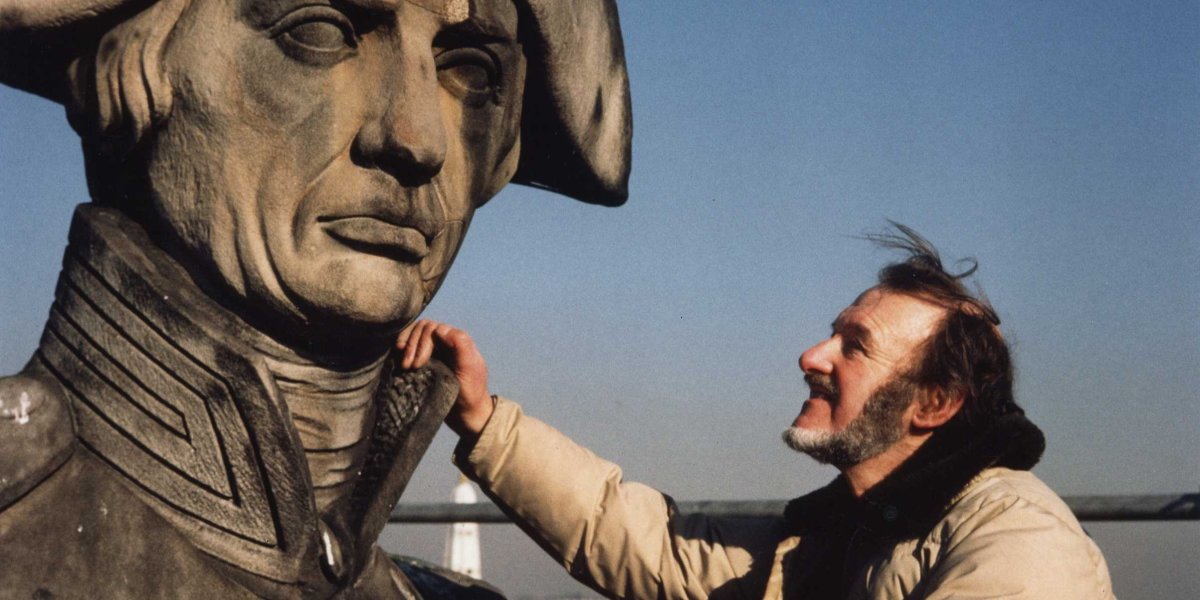
The Bristol-born architect who taught Britain to conserve rather than merely preserve, and who helped rescue Windsor Castle, has died at 100
LONDON, Oct
When fire tore through Windsor Castle in 1992, one of the first calls went to an architect already in his late sixties who had spent decades learning how old buildings think. Donald Insall, who died this month aged 100, led the castle's restoration, a project that has become a case study in how to rebuild without erasing history.
His death was reported by Dezeen on October 13, 2026, based on a statement from his studio. Born in Bristol on February 7, 1926, Insall founded Donald Insall Associates in 1958 with Peter Locke and chaired the practice until 1998. The studio called him a "pioneering conservationist," a description few would dispute.
Conservation, not preservation
Insall's most lasting idea was a distinction. Preservation, his studio explains, keeps a building in its original state; conservation aims to keep it in use. That might sound like semantics, but it changed how historic structures are treated. A preserved building can become a museum piece. A conserved one stays part of daily life, which is often the best guarantee of its survival.
His method was disarmingly human. He spoke of making "friends" with each building and its users, beginning by writing a "life story" of the structure to understand its strengths and weaknesses before proposing anything. The approach treats a building as a character with a biography, and the architect as a careful listener.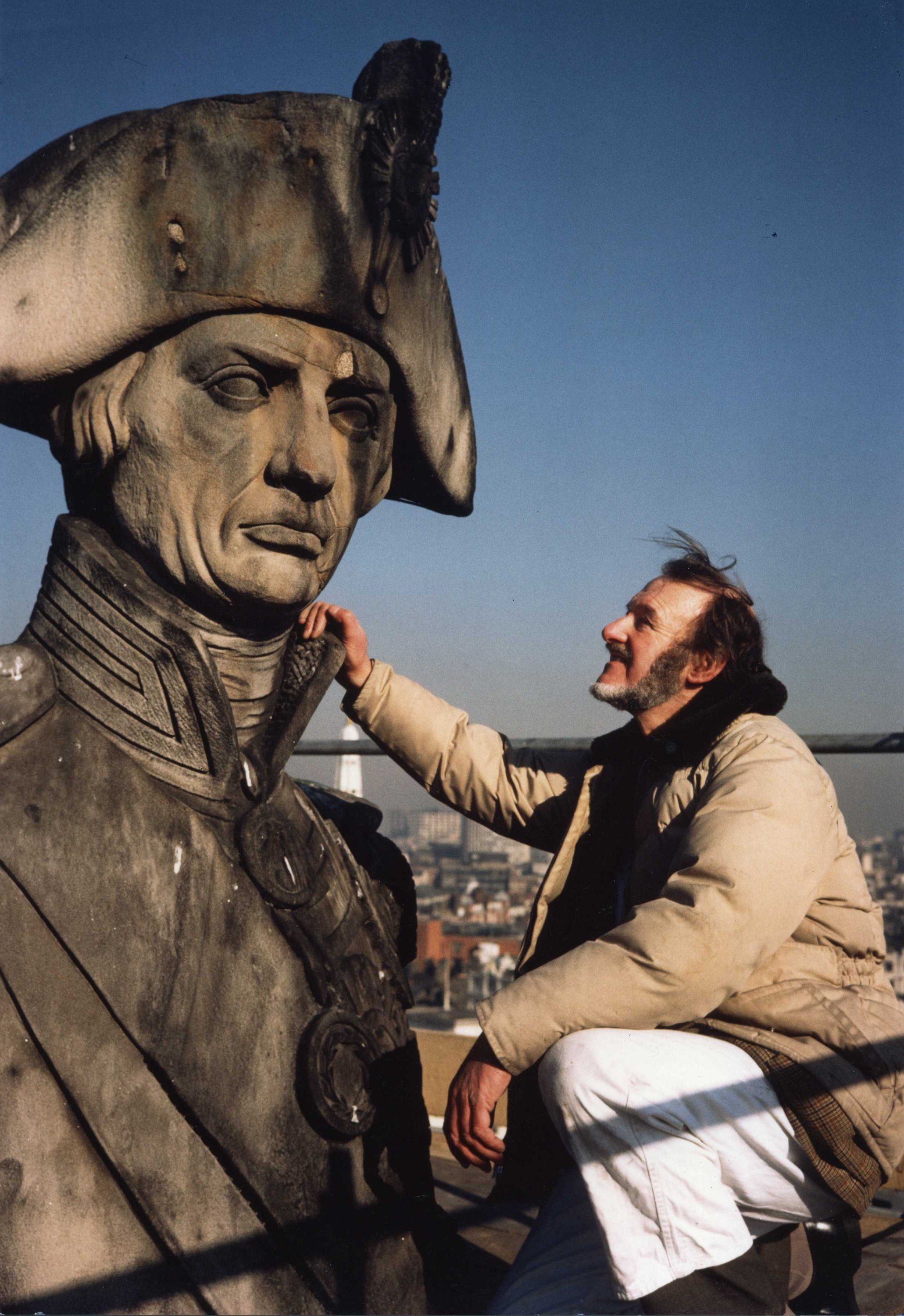
A career of rescues
Insall began studying architecture in 1942 at the Royal West of England Academy School of Architecture, later studying civic design at the Royal Academy Schools and at the School of Planning in London. He worked for Phillimore and Jenkins, a London practice that restored and designed country houses.
His own record of saves is remarkable. In 1957 he helped rescue Wotton House in Buckinghamshire, an 18th-century baroque house, from demolition. He renovated William Morris's Kelmscott Manor in Oxfordshire, worked at Kedleston Hall, and led the post-fire restoration of Windsor Castle. More recent projects include the renovation of a Grade II-listed Oxford college library and work on Hardwick Old Hall, the "deconstructed" ruin.
Chester and the birth of conservation officers
Perhaps his most influential work was not a single building but a city. His study of Chester's historic centre involved visiting more than 400 buildings. Its findings helped persuade local councils across England to create conservation officer roles, a profession that now exists in most planning departments. In effect, Insall helped build the machinery that protects historic places today.
He was also a founding commissioner of English Heritage, the charity that cares for hundreds of historic sites, and a mentor to generations of practitioners.
Living Buildings
In 2008 Insall published Living Buildings, reprinted in 2018 with a foreword by King Charles, then Prince of Wales. The King wrote that Insall was deeply involved as a practitioner and as a mentor to others in heritage and conservation. The book distills his philosophy: respect the fabric, understand the users, and let continued use drive decisions.
It remains a touchstone for architects who work with old buildings, particularly as the industry reckons with the carbon cost of demolition. Reusing existing structures is now widely recognized as one of the most effective ways to cut emissions, an argument Insall was making in practical terms long before it became fashionable.
A week of historic buildings in the news
The timing of his death is poignant. Days later, a historic town hall in Limoges, France, was set on fire during protests, a stark reminder of how fragile heritage can be. Elsewhere in British architecture, the RIBA Stirling Prize this month went to a London housing scheme by Mary Duggan Architects and Ruff Architects, signaling that design culture is increasingly interested in everyday buildings, not just landmarks.
Insall would have recognized the connection. A good council estate, like a good castle, is a place people live and work in, and its value lies in being used and loved.
What this means for you
You do not need a listed building to apply Insall's thinking. If you own an older home, start with its "life story": research its history, note what has changed, and identify what works and what does not before you renovate. Keep features that still function, such as original windows, joinery and plaster, and repair rather than replace when you can.
If you rent or live in a newer place, the principle still holds: adapting and reusing is often better, financially and environmentally, than starting over. And if your area has a conservation officer, a local civic society or a heritage listing, those are Insall's legacy at work, and worth supporting.
Conclusion
Donald Insall lived to see the idea he championed become common sense. Reuse, adaptation and respect for a building's story now sit at the center of mainstream architectural practice. His own life spanned a century, and the buildings he touched will carry his influence much further. Perhaps the best tribute is the habit he taught: before changing a building, get to know it.



