Written By | Peter Luzinda
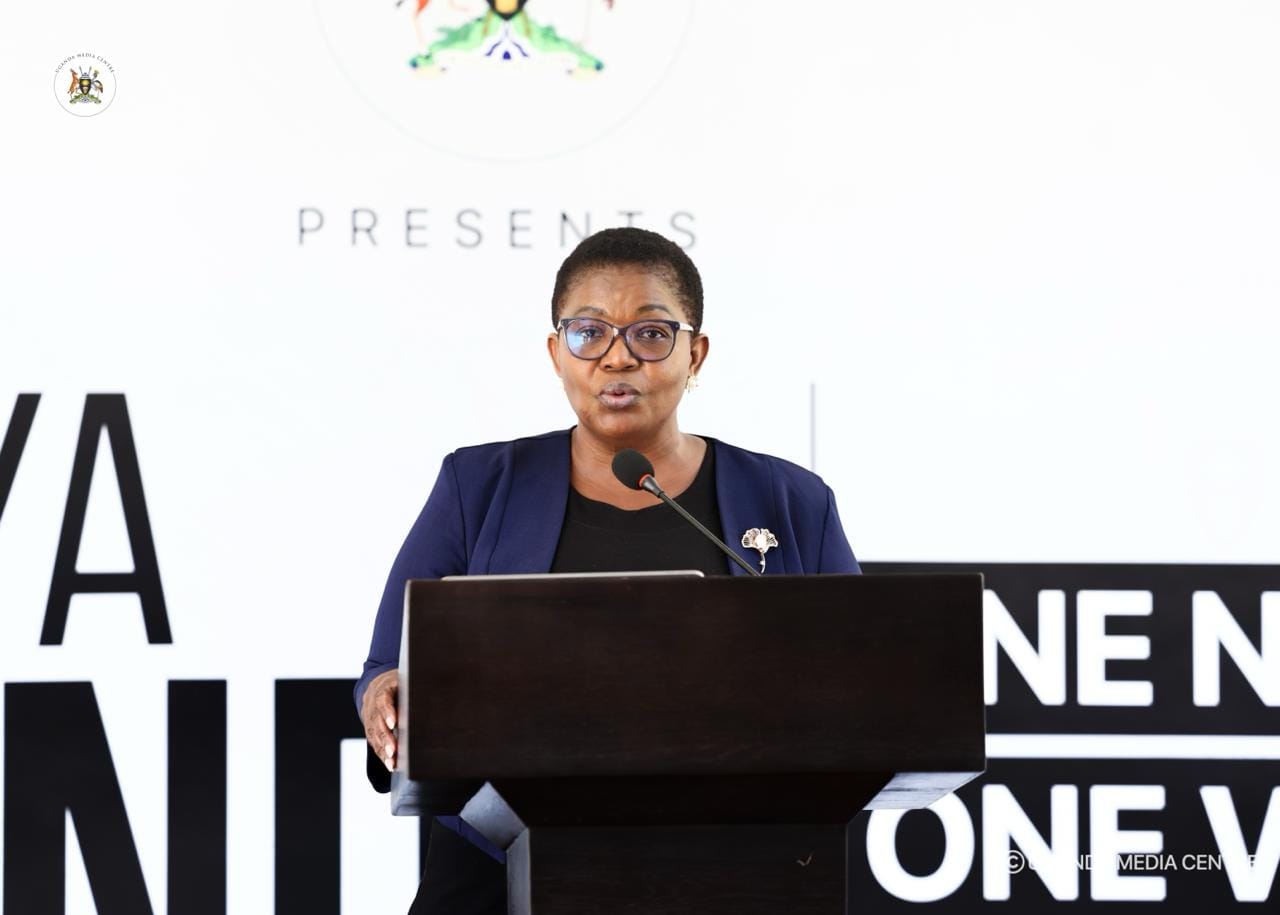
Minister for ICT and National Guidance Justine Lumumba Kasule
KAMPALA
The government has approved Shs62 billion to facilitate the relocation and resettlement of households living in areas threatened by landslides in the Mount Elgon sub-region, Minister for ICT and National Guidance Justine Lumumba Kasule has announced.
The programme, to be implemented through the Office of the Prime Minister (OPM), will initially focus on households living in areas classified as being at very high risk of landslides.
Lumumba said Cabinet had also approved the acquisition of 2,217.66 acres of land at an estimated cost of Shs8.870 billion.
She said the land had already been identified and assessed to establish whether it meets the requirements for resettlement.
“Cabinet also approved the purchase of 2,217.66 acres of land at an estimated cost of Shs8.870 billion. The land has been identified and checked to confirm it is suitable for purchase,” Lumumba said.
Each household to receive Shs18 million
A total of 1,423 households in areas considered to be at very high risk will receive Shs18 million each under the approved package.
The money will be used for two key purposes — acquiring alternative land and constructing a house.
Each household will receive Shs8 million to purchase land and Shs10 million to facilitate construction of a house.
The land allocation will provide each household with two acres.
“Cabinet approved payments of Shs18 million each to 1,423 households in areas at very high risk of landslides. Each household will receive Shs8 million to buy land and Shs10 million to build a house,” Lumumba said.
The arrangement is intended to give affected families a permanent alternative to living in locations where their lives and property remain exposed to landslides.
10,558 households remain in high-risk areas
The government has also identified a much larger group of households requiring relocation.
According to Lumumba, 10,558 households living in areas classified as high risk need a total of Shs190.044 billion for resettlement.
Cabinet has approved funding for the additional resettlement programme through a supplementary budget.
The figure points to the scale of the relocation challenge facing the government, with the cost of resettling the high-risk households significantly exceeding the initial Shs62 billion package.
The authorities will therefore have to continue financing the programme as additional households are relocated from vulnerable areas.
Beneficiaries to surrender old land
Households that receive resettlement assistance will not be allowed to continue occupying the land from which they have been relocated.
Lumumba said beneficiaries would be required to leave the affected areas and hand the land over to government.
“After receiving their resettlement support, the households will be required to leave the affected land and hand it over to Government,” she said.
The land will subsequently become part of the area managed by the Uganda Wildlife Authority.
The requirement is intended to prevent families from returning to areas identified as dangerous and to ensure that the resettlement programme achieves its intended objective of reducing exposure to landslides.
OPM tasked with oversight
The Office of the Prime Minister will coordinate the implementation of the resettlement programme.
Lumumba said OPM would work with the Internal Security Organisation, local governments and Parish Development Model structures to monitor the distribution and use of the funds.
The monitoring arrangement is expected to provide oversight over beneficiaries and ensure that the money allocated for land acquisition and housing is used for the intended purposes.
Local government structures will also be important in coordinating the relocation of affected communities and working with residents during the transition.
The involvement of several government institutions is expected to strengthen accountability as the authorities undertake what could become a long-term resettlement exercise.
Government faces wider relocation burden
The Cabinet decision comes amid continued concerns over communities living in areas vulnerable to landslides in the Mount Elgon region.
For households living in the most dangerous areas, relocation is intended to provide a safer alternative and reduce the risk of loss of life and property during landslides.
However, the government still faces the task of mobilising the Shs190.044 billion required to relocate the additional 10,558 households identified as being at high risk.
The success of the programme will depend on the acquisition of suitable land, timely release of funds, proper identification of beneficiaries and effective monitoring of the resettlement process.
Government's plan also means that resettled households will have to permanently leave the high-risk areas and establish themselves in the new locations provided through the programme.
The move is expected to combine disaster prevention with long-term community resettlement as authorities seek to reduce the recurring impact of landslides in the Mount Elgon sub-region.



