BUSINESS
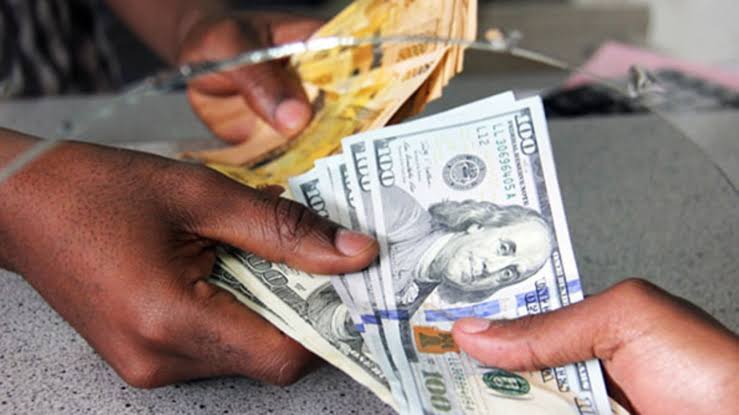
Uganda's shilling has fallen to its weakest level in about two years, pushing pump prices towards a psychological ceiling of Shs7,000 a litre and putting the Bank of Uganda (BoU) in the unusual position of tightening liquidity while inflation remains inside its target. The slide has revived a larger question: how much of the economy's near-term stability depends on the long-delayed start of commercial oil production?
The numbers
The Daily Monitor reported on 18 September that the shilling traded at Shs3,740 to Shs3,780 to the dollar on 31 August and at Shs3,920 to Shs3,930 on 15 September, a depreciation of 4 to 5 percent in under three weeks, equal to roughly Shs150,000 more for every $1,000. The Rio Times, citing Bloomberg, put the move at nearly 6 percent against the August average of Shs3,704.51 and described it as a two-year low. The difference reflects the baseline each uses, but both point the same way. Through July the shilling had been comparatively steady, with year-on-year depreciation of 3.3 percent.
Fuel prices bear the brunt
Fuel is where households feel it. The Rio Times reported that on 15 and 16 September, Total was selling petrol at Shs6,899 a litre and diesel at Shs6,699, with Shell at Shs6,850 and Shs6,750. Petrol is about 39 percent higher than a year ago and diesel about 52 percent higher. Annual inflation for liquid energy fuels reached 26.2 percent in the year to June.
An interesting detail is that since July, petrol has risen 5.5 percent in shillings but less than 1 percent in dollars, which suggests that the latest increases at the pump come from the weaker currency, not from the global oil price alone. Brent crude, though, has been a factor: the Monitor says it was around $75 in July and above $105 in the week of its report, while the Rio Times cites about $107 a barrel. The Monitor attributes part of the spike to a strike on a Saudi pipeline that removed about 4 million barrels a day from supply, and to Middle East conflict disrupting trade.
Why the shilling is weakening
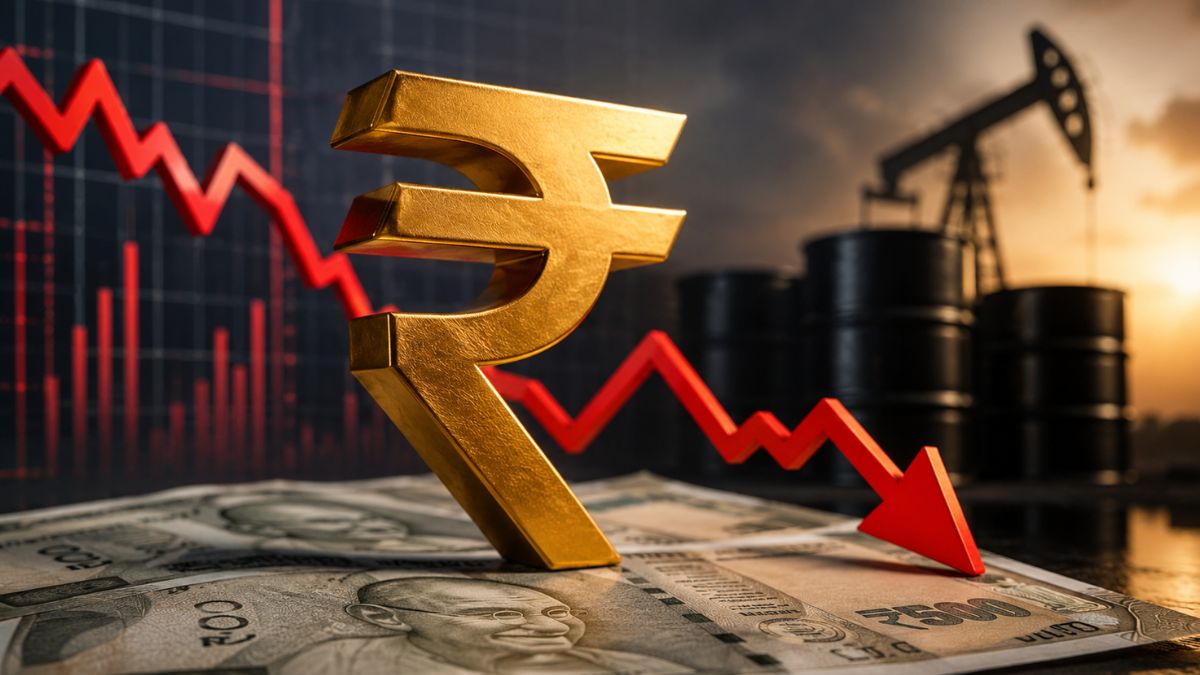
The Monitor lists a cluster of causes: a stronger global dollar, elevated US Treasury yields near 5 percent that draw portfolio money away from frontier markets, higher import costs for oil, disrupted shipping, and seasonal demand for dollars ahead of the December restocking period. Gold exports, a key source of foreign exchange, were about $5.8 billion last year, but monthly figures are volatile: $814.78 million in June and $788.45 million in July. Analysts quoted by the Rio Times, including Stephen Kaboyo of Alpha Capital Partners, say the shilling is moving in step with crude prices.
Uganda's cushion is thinner than its neighbour's. The Monitor compares reserves of $6.7 billion with Kenya's $15.16 billion. BoU has bought $837 million for reserves, and it notes a financial account surplus of $6.4 billion in the year to June, including $1.7 billion of foreign investment in government securities, which is the kind of money that can leave quickly when yields abroad rise.
What the central bank is doing
Governor Michael Atingi-Ego's BoU has kept the Central Bank Rate at 9.75 percent for a seventh straight month. Instead of a rate rise, it has used the cash reserve requirement. The Monitor reports increases from 9 percent to 11.5 percent in August and a further rise to 13.5 percent effective 24 September, aiming to soak up shilling liquidity that could be used to buy dollars. (The Rio Times describes an earlier May increase from 9.5 to 11 percent, so the exact sequence should be confirmed with BoU's own releases.) Inflation is not yet the problem: overall inflation was 4.1 percent in August and core inflation 3.5 percent, against a 5 percent target. The concern is that the pass-through from the currency and fuel will push those numbers up in coming months. Dr Susan Kavuma of Makerere University highlighted the import-cost channel for domestic inflation.
The oil question
The backdrop is oil. The EastAfrican noted on 19 September that Uganda's crude, branded Pearl crude, will be exported through the 1,445-kilometre East African Crude Oil Pipeline (EACOP) from Hoima to Tanga, and that officials say the pipeline is 92 percent built. Initial revenue from commercial production is projected at about Shs1.5 trillion ($388 million), and the paper argues that early oil income could help taxation, debt management, reserves and credit ratings, while uncertainty remains over the official launch of exports.
Rio Times reports that commercial production has not begun as of September, that the government now targets June 2027, and that the pipeline is 92.7 percent complete as of August, with readiness testing expected in December. The BoU had warned in February that further delays would raise inflation risks by weakening the shilling and raising import costs. Oil revenue, in that framing, is a stabiliser that has not yet arrived, while Uganda is simultaneously a net importer of refined fuel at a time of high crude prices.
Why it matters
For households, the transmission is direct: transport, food distribution and generator-dependent businesses all feel fuel costs. For firms with dollar debts or imported inputs, a weaker shilling raises costs. For the government, a weaker currency raises the shilling cost of external debt service, though the Monitor notes Shs4.2 trillion of bonds and coupons maturing, a reminder of domestic financing needs as well. The tightening in reserve requirements will also make credit more expensive and scarcer for private borrowers, which sits awkwardly with the government's growth ambitions; the Rio Times cites annual growth of 6.4 percent for the year to June.
What to watch
Watch first whether the shilling stabilises after the 24 September reserve-requirement increase or slides further towards Shs4,000. Second, whether petrol crosses Shs7,000 a litre, a level the Rio Times says is being watched as psychological. Third, the September inflation print and the next Monetary Policy Committee decision, to see whether BoU shifts from liquidity tools to rate rises. Fourth, global crude and US yields, which are largely outside Uganda's control. Finally, any firmer date for first oil and the pipeline readiness test in December, since credible timing could improve sentiment even before barrels flow.
Published By | News Editor