World Politics
Background
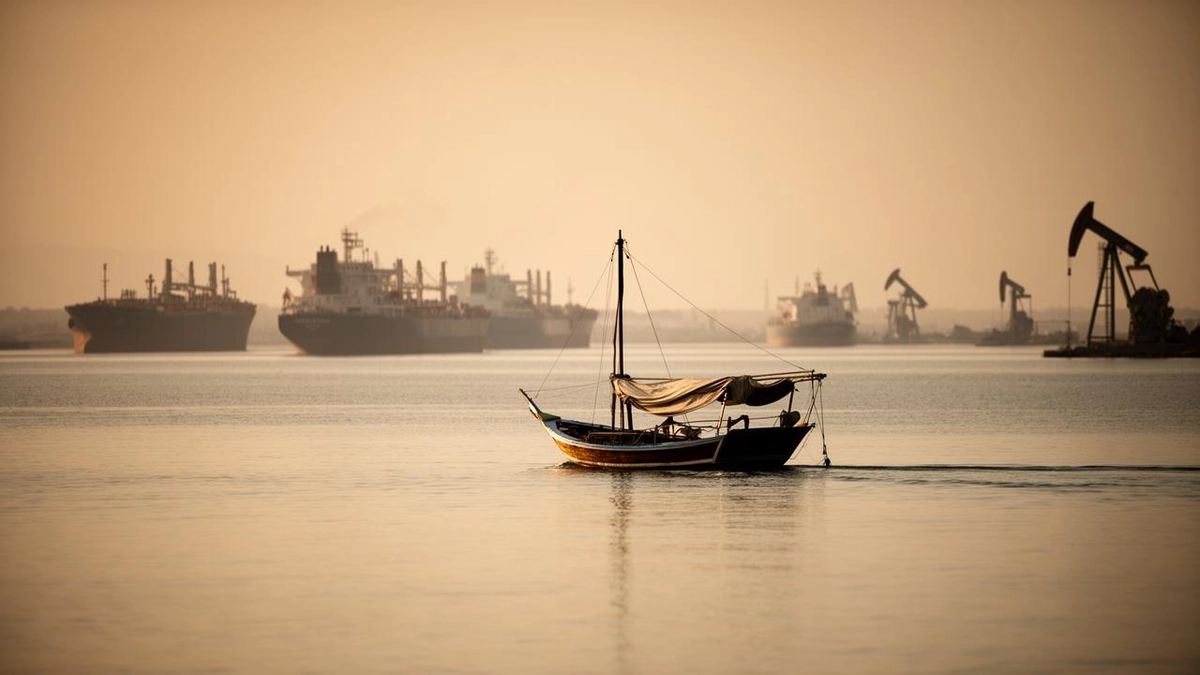
For nearly six months, the Strait of Hormuz — the narrow, 33-kilometer-wide waterway through which roughly a fifth of the world's oil and a large share of its liquefied natural gas normally passes — has been a central battleground in the war that erupted between the United States, Israel and Iran in February 2026. The conflict began with US and Israeli strikes on Iranian nuclear and military sites, killed Iran's longtime Supreme Leader Ali Khamenei in its opening days, and has since cycled through repeated ceasefire attempts, each of which has collapsed within weeks amid fresh strikes, missile exchanges and attacks on shipping. A June 17 memorandum of understanding was supposed to end hostilities and had Iran committing to ensure safe, toll-free passage for commercial vessels through the strait for 60 days; that arrangement broke down by mid-July after Iranian strikes on tankers and a deadly attack on US troops in Jordan, triggering a fresh round of American airstrikes and an Iranian declaration that the strait was fully closed.
By late July and into early August, both sides had grown visibly weary of open military escalation without resolving the underlying dispute. The Pentagon paused its bombing campaign after a two-week run of nightly strikes, citing munitions concerns, and after briefly threatening what officials called the "biggest attack since World War II," President Trump instead canceled a planned joint US-Israeli campaign against Iran's energy infrastructure on August 1, citing the "perimeters of a deal" reportedly encouraged by Saudi Arabia's Crown Prince Mohammed bin Salman. That opened a new phase: indirect, Oman-mediated talks aimed not at a comprehensive peace but narrowly at reopening Hormuz to commercial shipping, with Iran and Oman reportedly agreeing on the geographic coordinates of a safe shipping corridor over the following two weeks.
Key Developments
That narrow technical progress has now collided with a much harder political disagreement. On August 8-9, Mohammad Bagher Zolghadr, secretary of Iran's Supreme National Security Council, and Foreign Minister Abbas Araghchi laid out a formal list of six conditions Iran says must be met before the strait can reopen to normal traffic: the removal of what Tehran calls "unjust and illegal" US sanctions; the unconditional release of Iranian assets frozen or seized abroad; payment of reparations for damage from what Iran describes as two wars of aggression; an end to the US naval blockade of Iranian ports; the withdrawal of US military forces from the region; and a halt to attacks on Iran's regional allies. Iranian state media separately floated a more provocative element of any eventual arrangement — a plan that would bar United States and Israeli-flagged vessels from the strait outright while charging other nations a transit toll, with countries deemed to have "harmed" Iran required to pay compensation before their ships could pass.
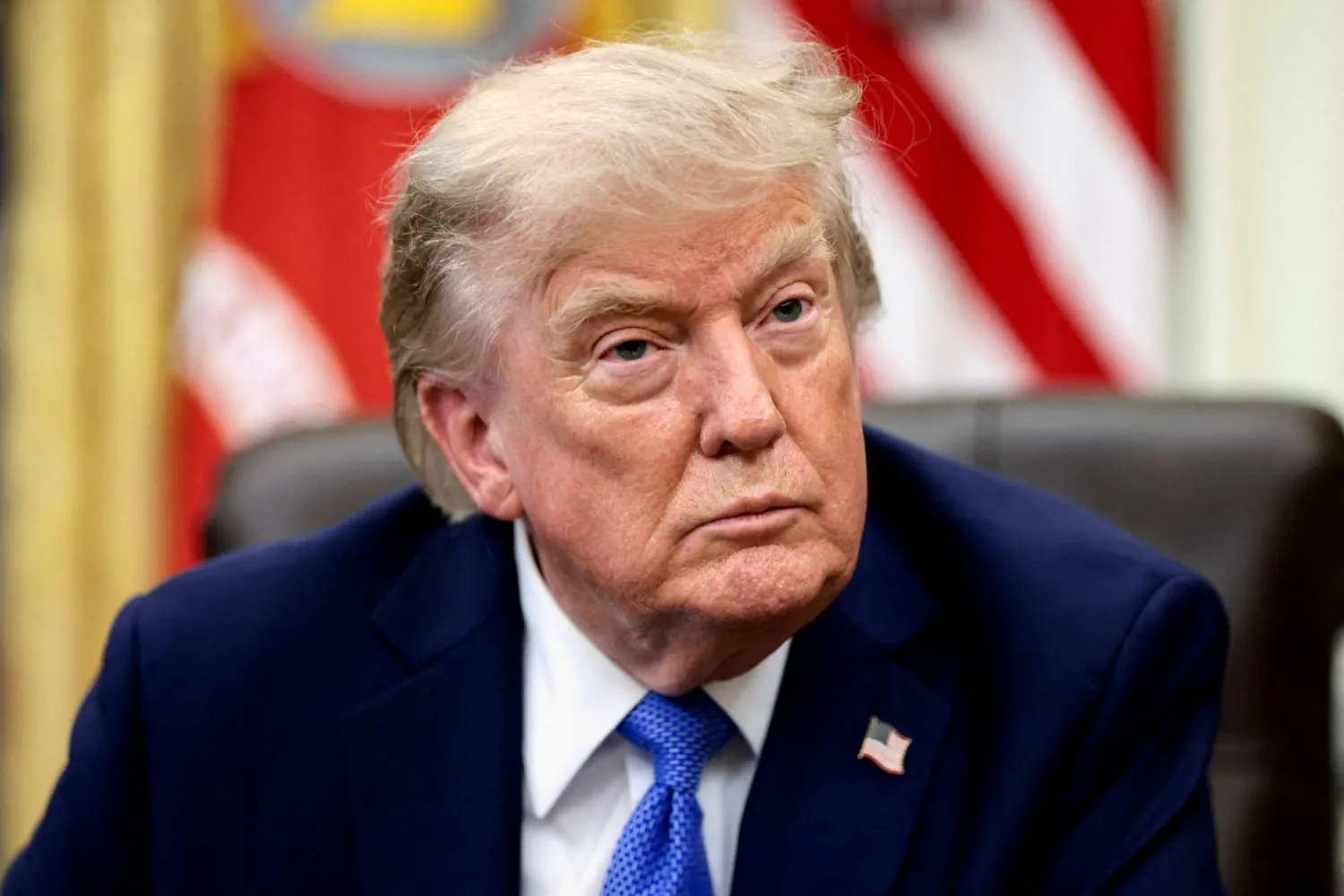
Washington's response, delivered by President Trump over the following days, was to flip the compensation demand back on Tehran. Trump said he had instructed his negotiating team to insist that Iran pay compensation "for all of the people" killed or gravely wounded by Iranian-linked roadside bombs and "many conflicts" over the years, including compensation for the families of protesters killed inside Iran during recent unrest. On August 10 he reiterated that any resumption of talks would be conditioned on Iran first agreeing to pay such compensation — a direct rebuff of Iran's own reparations demand and a sign that what had briefly looked like a narrow, technical shipping-lane agreement has hardened back into a much broader, harder-edged confrontation over blame and money.
Alongside the war of words, Trump has signaled a deliberate strategic pivot away from further military strikes and toward economic strangulation. In a August 9 interview with Axios, he said the United States is "low-keying it" and "only semi-negotiating" with Iran, indicating he is willing to let sanctions and the ongoing naval blockade grind down Iran's economy rather than order a resumption of bombing. The Treasury Department has continued rolling out new sanctions — by early August its eighth package of 2026 targeting Iran's alleged shadow-banking network — as part of what officials describe as a renewed "maximum pressure" campaign. The blockade has had a severe, measurable effect: tanker departures from Iran's main export terminal at Kharg Island have reportedly fallen to zero over an 11-day stretch, Iran's annual inflation has climbed to roughly 77 percent, and the rial has lost more than 10 percent of its value since before the war began, according to Iranian central bank data cited by international outlets.
Reactions
The dueling compensation demands have been read in Washington and Gulf capitals as a sign that a genuine breakthrough remains distant despite two months of Oman-mediated technical talks. A senior Gulf official told reporters earlier in the process that the odds of Iran and Oman finalizing even the narrower shipping-corridor arrangement stood at roughly "50-50," and Araghchi himself has repeatedly described the Oman track as being in its "final stages" while simultaneously insisting Tehran will not actually reopen the strait unless Washington meets its broader list of demands — a pattern of qualified optimism followed by hardened conditions that has recurred several times since the war's outbreak, including a similar pause-then-collapse sequence in March. Oil markets have moved accordingly: crude prices, which spiked to over $100 a barrel during the most intense periods of fighting, have oscillated with each round of announced progress and subsequent hardening, reflecting trader skepticism that a durable reopening is imminent.
Gulf states that have repeatedly found themselves caught in the crossfire — Saudi Arabia, the UAE, Bahrain, Kuwait, Qatar and Oman have all been targeted at various points by Iranian missile, drone or tanker strikes since February — have pushed hardest for de-escalation, with Saudi Arabia's MBS credited with personally lobbying Trump to cancel the planned early-August energy-infrastructure bombing campaign. Their shipping and energy infrastructure remains acutely exposed to any prolonged closure or slowdown at Hormuz, giving them a strong incentive to see the Oman-mediated shipping-corridor talks succeed even if the broader political dispute over sanctions, reparations and troop withdrawals remains unresolved. In Washington, the administration's pivot to "low-keying" the conflict has drawn a mixed response: supporters frame it as a prudent de-escalation that avoids further US casualties after American troops were killed in the July strikes on Jordan, while critics argue that letting the standoff simmer indefinitely, without a clear diplomatic endpoint, risks normalizing a de facto blockade that keeps global energy markets on edge indefinitely.
What's Next
In the immediate term, attention is focused on whether the narrower, more technical Iran-Oman agreement on a safe shipping corridor — reportedly nearly finalized on the coordinates and operational details — can be concluded even as the larger political dispute over sanctions and compensation remains stuck. Iranian officials have been careful to describe the Oman track and the broader six-point political demands as linked, meaning a technical corridor agreement alone may not be sufficient to fully normalize shipping through the strait without progress on the harder issues.
Longer term, the compensation standoff raises the question of whether the US and Iran can find any face-saving formula that lets both sides claim vindication — something akin to a negotiated ambiguity on reparations — or whether the dispute will instead settle into a prolonged war of economic attrition, with Washington betting that sanctions, the naval blockade and Iran's deepening inflation and currency crisis eventually force Tehran back to the table on more favorable terms. That bet carries real risk: Iran's leadership, under new Supreme Leader Mojtaba Khamenei, has shown a repeated willingness to escalate militarily rather than capitulate economically, and Gulf states remain vulnerable to being drawn into renewed strikes if talks break down again, as they have several times already since the ceasefire MOU was signed in June. Markets, mediators in Muscat, and Gulf capitals alike are likely to treat any further announcement of "progress" with the same caution that has followed each of the conflict's previous, short-lived de-escalations.
Published By | News Editor