Written By | Entertainment Desk
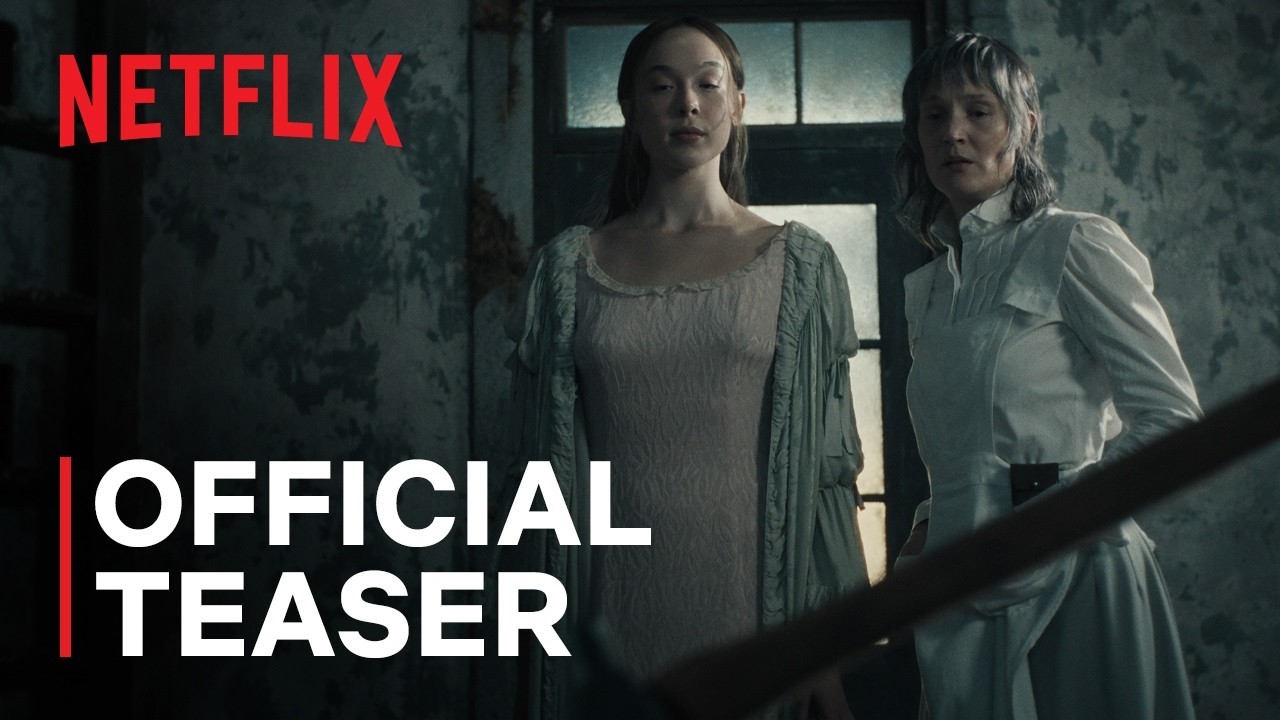
All eight episodes of 'Monster: The Lizzie Borden Story' land today. Ella Beatty plays the franchise's first female subject — and the first who a jury said didn't do it
LOS ANGELES
On August 4, 1892, Andrew and Abby Borden were found in their home in Fall River, Massachusetts, killed with a hatchet. Their 32-year-old daughter Lizzie was arrested, tried, and — after a trial that consumed the American press — acquitted. No one else was ever charged. The rhyme about forty whacks arrived later and has never left.
As of this morning, all eight episodes of "Monster: The Lizzie Borden Story" are on Netflix, and the most successful true-crime factory in television has taken on a case where the crime remains, legally speaking, unsolved.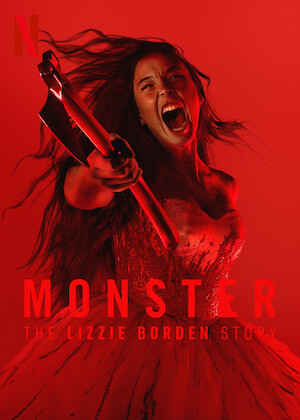
The franchise's first woman
This is the fourth installment of the anthology created by Ian Brennan with Ryan Murphy, following Jeffrey Dahmer, the Menendez brothers, and Ed Gein. It is the first to centre on a woman, and the first whose subject was found not guilty.
Ella Beatty plays Lizzie. Brennan has been candid about why he cast her, describing a quality of stillness he could work against: "She can have a real blank slate of a face," he told TV Insider — useful for a character whose fury, in his telling, is always simmering just beneath the surface. "She exudes this sense of innocence."
The supporting cast is the most stacked the franchise has assembled. Vicky Krieps plays Bridget Sullivan, the family's Irish housemaid. Charlie Hunnam, appearing in consecutive installments after playing Gein, is Andrew Borden. Rebecca Hall is Abby, the stepmother. Billie Lourd plays Lizzie's sister Emma; Jessica Barden is the stage actress Nance O'Neil, who formed a close and much-discussed friendship with Lizzie after the trial; Joey Pollari is her uncle John Morse.
Then there are the two roles that tell you exactly what kind of show this is. Krieps also appears as Elizabeth Báthory, the Hungarian noblewoman accused of torturing and killing women between 1590 and 1610. Sarah Paulson turns up as Aileen Wuornos. Neither has anything to do with Fall River in 1892. Both are there because the season is interested in the category, not just the case.
Max Winkler directed six episodes, Sarah Adina Smith the other two. Brennan wrote all eight. Shooting ran in Los Angeles from September 2025 to March 2026.
A blood-soaked feminist romance
Netflix's own logline is unusually forthcoming: the repressed daughter of a wealthy New England family and her rebellious maid, trapped in a house built on humiliation and cruelty, escape into a fantasy of sex, power and revenge.
Brennan has said the season is about misogyny, gender roles and the expectations placed on Victorian women, and that it explores class and sexuality through the Lizzie–Bridget relationship. Vanity Fair, given an early look in August, reached for a memorable formulation, calling it "Ryan Murphy does Cinderella" — a blood-soaked feminist romance rather than a procedural.
That framing is a meaningful departure. "Dahmer" and "The Ed Gein Story" were structurally about the making of a killer. This is a story about a household, and about what a woman with no money of her own, no exit, and an enormous amount of rage might do with a fantasy — with the murders positioned as the place the fantasy breaks the surface.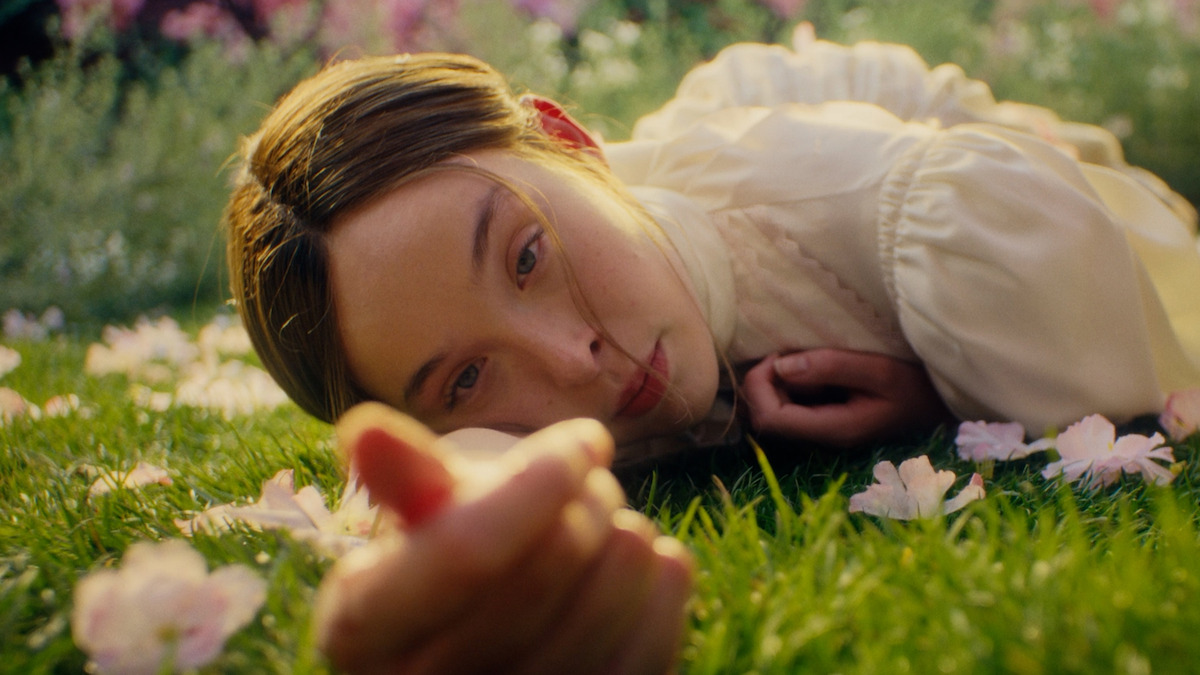
The machine and its critics
The commercial case for making these needs no argument. "Dahmer – Monster: The Jeffrey Dahmer Story" remains the only installment to break into Netflix's all-time top ten most popular series, at 115.6 million views, after opening to 196.2 million hours viewed. "Monster: The Ed Gein Story" debuted at No. 2 with 12.2 million views and reached 20.7 million in week two, edging the Menendez season's 19.5 million. Menendez held a top-ten spot for seven weeks.
The reputational case is harder. The Dahmer season drew sustained criticism when families of his victims said they were never consulted. Erik Menendez publicly condemned his own portrayal. By the Gein season, the complaint had widened from any single installment to the franchise's premise — a promotional campaign that grouped its killers together drew accusations of packaging real murderers like a superhero roster.
The Lizzie Borden case changes the moral geometry, though not necessarily in the show's favour. There are no living victims' families to consult; everyone involved died more than a century ago, which removes the most acute objection to the previous three seasons. But it introduces a new one. Every earlier subject was convicted. Lizzie Borden was not. A drama that dwells on her rage and stages her revenge delivers the verdict the jury declined to — to a real woman who spent the rest of her life in Fall River being stared at.
The franchise has an answer available, and the Báthory and Wuornos appearances suggest it intends to use it: the season is less interested in whether Lizzie swung the hatchet than in why, for 134 years, we have needed her to.
What it means for your watchlist
If you have bounced off the earlier seasons, the shift here is real. This is a period piece with a romance at its centre, closer to gothic melodrama than to the grim procedural rhythm of "Dahmer." Eight episodes at once means the binge-and-discourse cycle compresses into roughly seventy-two hours.
If you have loved them, watch whether Beatty's stillness holds a full season. The franchise has always depended on a central performance doing more work than the writing — Evan Peters won an Emmy for exactly that. Beatty, in her largest role to date, has a character defined by what she does not show.
And if you have grown uneasy about true crime as entertainment, this is a reasonable place to test your position. The usual objection — that a real family's worst day becomes a product — barely applies when every participant is long dead. What remains is what we are actually consuming, and whether a show that names misogyny as its subject can avoid becoming another century's worth of staring.
Forty whacks, one more time
Fall River has been living with this story since the summer of 1892, largely on its own terms — the house is a bed and breakfast, the rhyme is a local industry. Today it belongs to Netflix's global recommendation engine, which will put it in front of tens of millions of people who know only the verse.
What they will find is not a whodunnit. Brennan has never been interested in that. It is an argument about a woman who was acquitted and convicted anyway, in the court that never adjourns. Whether the show is a corrective to that or simply the latest session is the thing to decide for yourself, starting today.



