Written By | Entertainment Desk
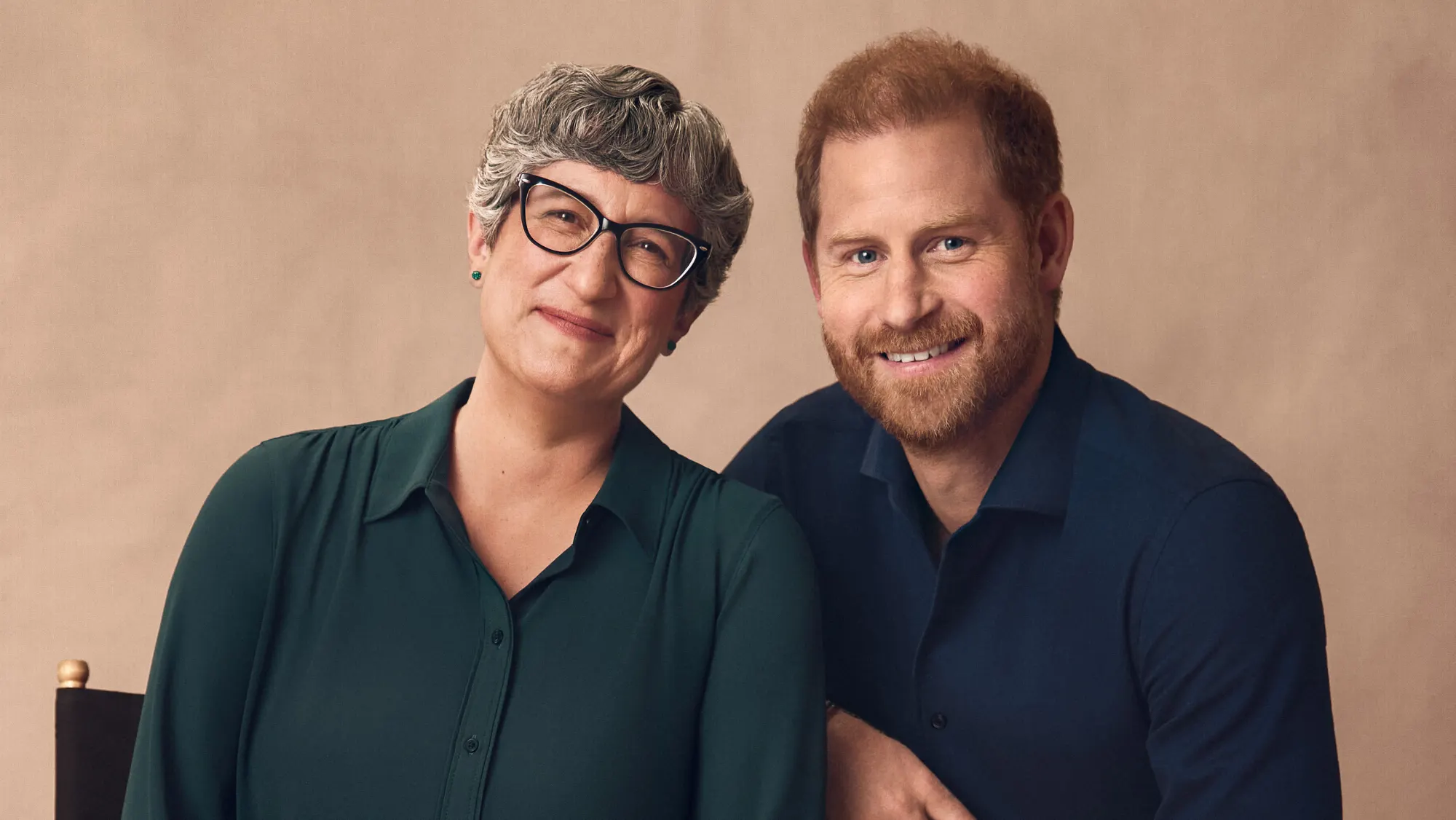
In a course released ahead of World Mental Health Day, the Duke of Sussex describes slipping into depression within days of moving to Canada.
LONDON
Prince Harry has revealed that he "slipped into depression" for about two weeks after moving to Canada with his wife and young son in 2019, a candid admission made in a new online course on grief released this week.
The remarks come from MasterClass's "Redefining Grief: Building Resilience Through Loss," which Harry co-teaches with grief neuroscientist Dr Mary-Frances O'Connor. Filmed in California earlier in 2026, it was released on Thursday, October 8, ahead of World Mental Health Day on October 10.
What he said
Explaining the family's move, Harry said they went to Canada to "get some space away from everything just to be able to think." Within two or three days, he said, he experienced what he calls an adrenaline crash.
"It was as if I needed stress in order to get the adrenaline to make my brain function because I became useless around the house," he says in the course. "I actually slipped into depression for about two weeks and I felt like I couldn't function without adrenaline."
He links the experience to deeper patterns. Harry was 12 when his mother, Diana, Princess of Wales, died in a car crash in 1997. Elsewhere in the course he describes the years afterward as "numbness, emotional shutdown." Adrenaline, he says, drove him to join the military at 20, serving as a distraction. After his second Afghanistan tour ended in 2013, he began to understand that his military experiences had triggered older trauma.
The course and its purpose
According to People magazine, MasterClass approached Harry last year about a class focused on grief. Proceeds benefit two bereavement charities, Comfort Zone Camp and Scotty's Little Soldiers. The course also covers emotional suppression, panic during royal engagements and the role of therapy, themes Harry has addressed in earlier public appearances.
Dr O'Connor, a researcher known for her work on how the brain processes loss, appears as his co-instructor, giving the material a scientific frame alongside the personal testimony. The pairing is notable: celebrity-led wellness content can drift toward platitudes, and an academic partner lends the course a more structured footing.
A familiar voice on mental health
Harry has spoken publicly about therapy, panic attacks and his mother's death for years, and the course continues that advocacy. What is different here is the specificity of the account. Rather than a general reference to struggling, he describes a particular two-week episode, its trigger — the sudden drop in stress after leaving a highly pressured environment — and the physical sense of being unable to function.
The timeline is also striking. Harry and Meghan announced in January 2020 that they would step back from senior royal duties, having spent several months on Vancouver Island with their son Archie. They later settled in Montecito, California, and lived there for six years. The family returned to the UK in August 2026, where they live as private individuals rather than working royals, according to coverage of the course's release.
The reaction
Coverage has been wide: CTV News, the Irish News, TMZ, IBTimes and Australian outlets all ran versions of the story within a day of the course's release, with most focusing on the Canada revelation. A separate clip circulating alongside the coverage shows Earl Charles Spencer discussing parallels between the press treatment of Diana and of Harry, a reminder of how closely the family's story is bound up with public scrutiny.
As with any royal disclosure, the response has been mixed, and we do not attempt to characterise it beyond what outlets have published. What is not in dispute is the timing: releasing the course in the run-up to World Mental Health Day ensures it will remain part of the conversation through the weekend.
The science of the 'adrenaline crash'
Harry's description raises a question many readers will recognise: why does relief sometimes feel worse than stress? Clinicians generally note that people who live in prolonged high-alert states can feel flat, exhausted or low when the pressure suddenly lifts. We have not seen the specific clinical framing offered in the course and do not want to put words in Dr O'Connor's mouth; but the experience Harry describes — functioning on stress, then struggling without it — is a pattern widely discussed in mental-health literature.
What this means for you
If you recognise Harry's account, the takeaway is not that a big move or a change of scene causes depression, but that major transitions, even welcome ones, can surface feelings we have been outrunning. Planning for them helps: lean on friends and family, keep routines in place, and speak to a doctor or therapist if low mood lasts more than a couple of weeks or interferes with daily life.
For those supporting someone through grief, the course's emphasis on emotional suppression is a useful prompt. Numbness is not the absence of grief, and it can last for years.
If you are in crisis or worried about your safety, contact your local emergency number or a crisis line in your country.
The bottom line
Whatever one thinks of the Sussexes, a prominent figure describing a short, specific episode of depression, and tying it to a lifetime of grief, adds to a conversation that still benefits from plain language. The course is available now, and its charitable proceeds give it a purpose beyond the headlines.



