Written By | Staff Writer
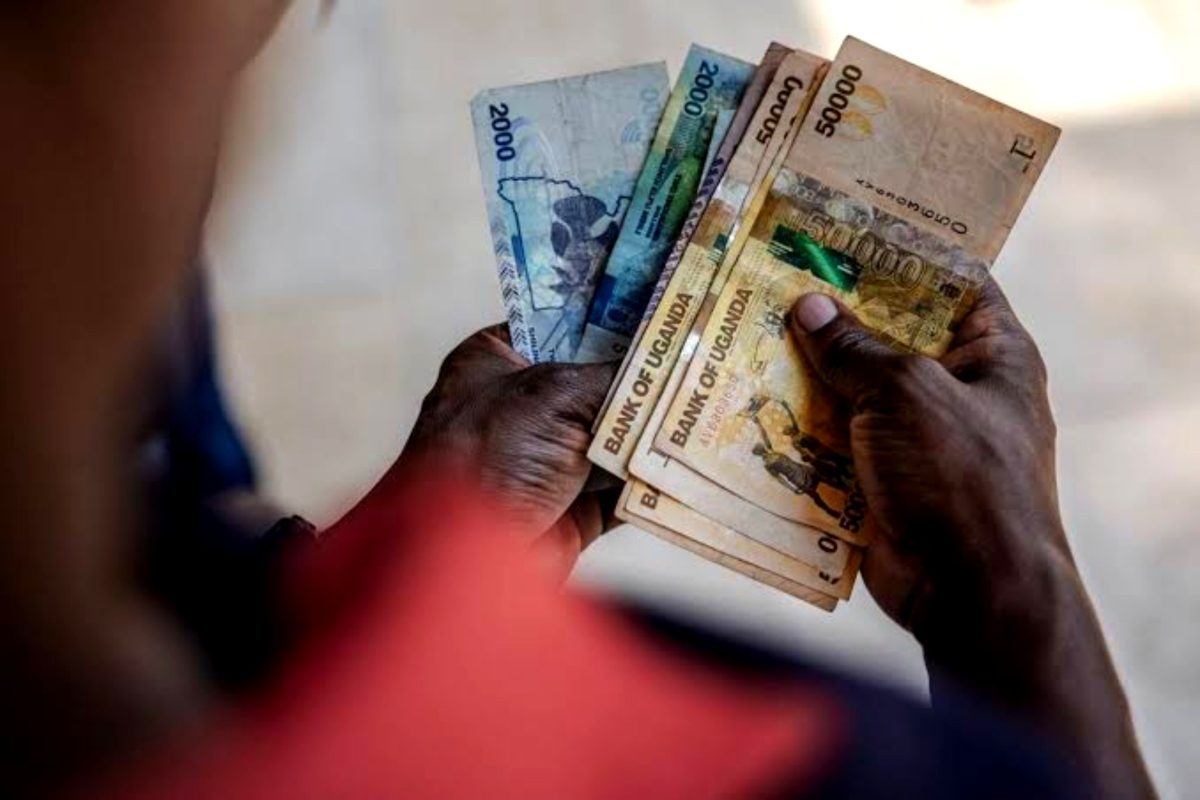
CEO East Africa reported on 5 October that the dollar had crossed UGX4,000, with petrol costing more than UGX7,000 a litre at major fuel dealers
BUSINESS AND ECONOMY
Two pieces of economic news landed within days of each other in early October and together paint a picture of an economy waiting for oil while paying more for fuel and imports. The Uganda shilling has crossed the UGX4,000 mark against the US dollar, and the World Bank has cut its growth forecast for the current financial year, even as it raised its outlook for the one after.
What is happening
CEO East Africa reported on 5 October that the dollar had crossed UGX4,000, with petrol costing more than UGX7,000 a litre at major fuel dealers. The Daily Monitor reported on 7 October that the Bank of Uganda was urging the public not to panic. Its account put the shilling's weakening at nearly 6% to about Shs4,000 per dollar. The central bank said it was working to contain the situation and stressed that the shilling is market-determined, its value driven by supply and demand.
Earlier Monitor coverage put the rate at about Shs3,917 on 14 September, a depreciation of about 5.7% from the August level, and related reports say the shilling has lost more than 11% since January, its worst run in a decade. Foreign exchange dealers quoted in that coverage partly attribute the latest decline to businesses bringing forward their dollar purchases. The CEO East Africa piece links the slide to higher fuel import costs and weaker dollar inflows, and warns that the full cost may still lie ahead.
Prices and inflation
For now, headline inflation remains below the Bank of Uganda's 5% target. According to figures from the Uganda Bureau of Statistics cited by the Monitor, headline inflation was 4.7% in September, while food crop and related items inflation rose to 4.5% from 2.1% in August. The worry is what lies underneath. A weaker shilling raises the local price of imported fuel, machinery and inputs, and fuel feeds into transport and food costs. Energy Minister Dr Monica Musenero has attributed rising fuel prices to the weaker shilling and a higher excise duty. In mid-June, the highest Kampala pump prices were Shs6,499 for premium petrol and Shs6,599 for diesel, so the move towards Shs7,000 is already visible at the pump.
The World Bank's revision
On 6 October the World Bank released its October Africa Economic Update. For Uganda, it lowered the forecast for real GDP growth in the financial year 2026/27 to 7.4% from 8.5% in its April forecast, and trimmed 2025/26 to 6.4% from 6.8%. For 2027/28 it raised the forecast to 9.2% from 8.1%. The pattern reflects the bank's expectation that growth will accelerate as oil construction winds down and production and exports begin.
The bank's figures are well below what the government assumes. Uganda's budget is built on 10.2% growth for 2026/27. The bank also projects inflation of 5.5% for 2026/27, up from its earlier 4.2%, a fiscal deficit of 5.2% of GDP, and public debt of 55.3% of GDP, up from 53.4%.
The bank said the Middle East conflict has mainly affected African economies through higher fuel, fertiliser, food and transport costs and through uncertainty, rather than through weaker external demand. It noted that Uganda and Rwanda face pressure on their external balances from higher fuel costs and imports of machinery and construction materials. That is the same channel that analysts link to dollar demand and the shilling's weakness. Elsewhere the picture is brighter: the bank expects sub-Saharan Africa to grow 4.3% in 2026 and the East African Community 6.2%.
The oil question
Oil timing sits behind much of the debate. The bank's June report had identified an oil-production delay as the biggest domestic risk, estimating that a one-year delay would cut 2026/27 growth by more than two percentage points. Government officials told Parliament's finance committee that production was expected before the end of June 2027 and that the export pipeline would be ready to receive crude by mid-December 2026. As ugbusiness.com noted, pipeline readiness alone does not show how much oil can be produced and sold before the financial year ends.
This matters for the budget. It projects oil revenue, including capital gains tax, of Shs1.8 trillion in 2026/27, rising to Shs5.6 trillion the following year, and provides for a Shs1.4 trillion withdrawal from the Petroleum Fund this financial year. If production slips, revenue assumptions and spending plans may need to be revised.
Why it matters
Households feel the shilling through fuel, transport and food. Businesses with dollar debts or import bills feel it through higher repayments and input costs. The Bank of Uganda faces a familiar trade-off: it has indicated that it will let the market set the exchange rate, while inflation, which is still within its target, shows signs of picking up. Earlier this year it held its benchmark rate at 9.75%, citing caution over inflation.
What to watch next
Watch the next Bank of Uganda policy decision and any change to its rate stance; the monthly inflation release from the statistics bureau, especially food and fuel components; whether the shilling stabilises or continues to slide; and any statement from the Treasury revising oil revenue assumptions. The December date for pipeline readiness is the next concrete milestone for the oil story.



