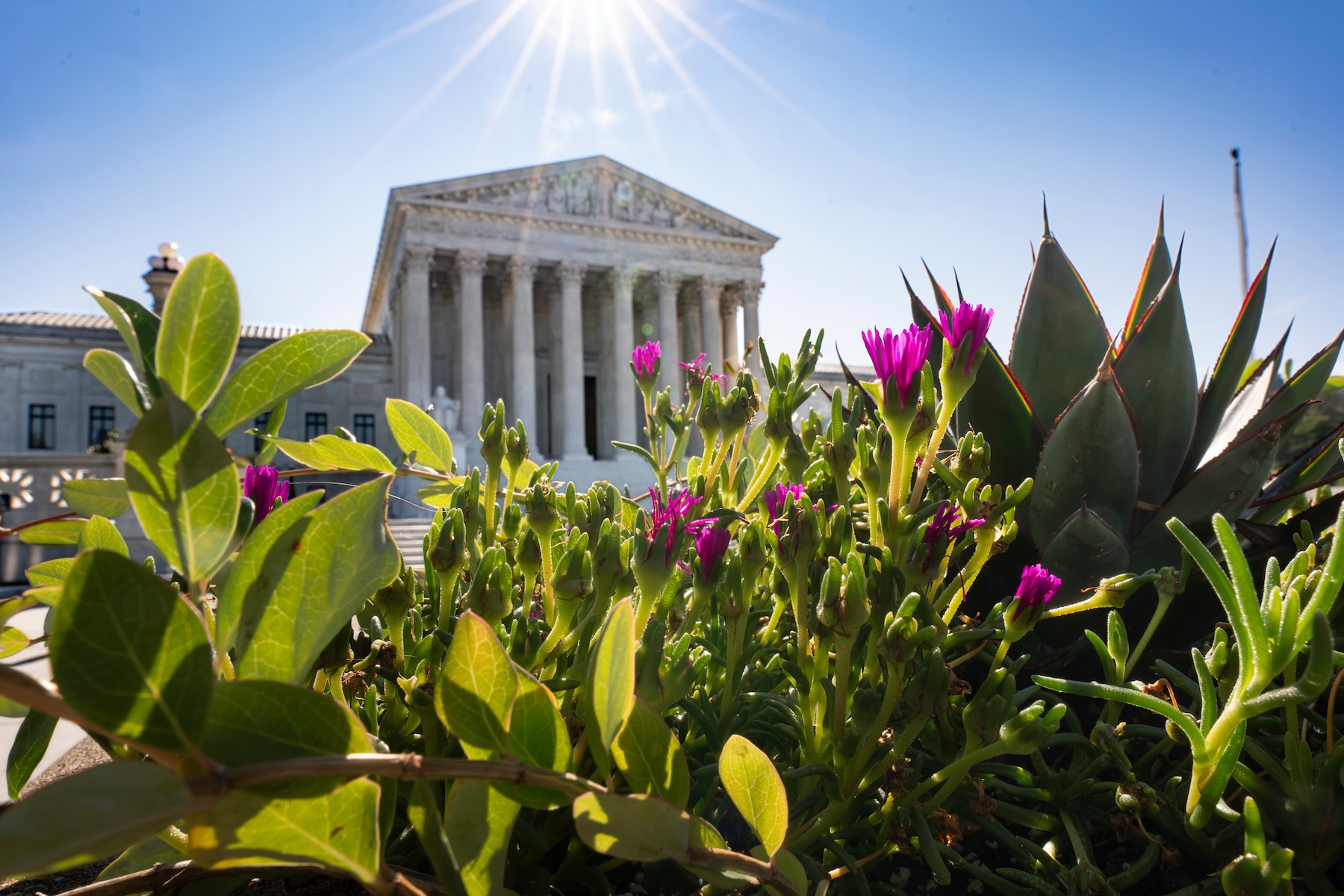
In a 6-3 emergency order, the justices lifted a lower-court block on an expanded federal system that combines Social Security data with citizenship records. Critics warn of wrongful purges; supporters say it protects the integrity of elections.
World Politics
Overview
On Friday, September 25, the Supreme Court cleared the way for the Trump administration to deploy an expanded federal database that links citizenship status and Social Security numbers, a tool that states may use to check whether registered voters are eligible. The unsigned emergency order, decided 6-3 along ideological lines, reversed a district court injunction that had found the system likely violated federal privacy law. With the midterm elections just over five weeks away, the ruling turns a long-running dispute over election security and privacy into a live operational question for election offices across the country.
The decision was issued on the Court's interim docket, without full briefing or argument, and it addresses statutory questions the justices had not previously decided. That fact drew a pointed dissent from Justice Ketanji Brown Jackson. This article explains the system at issue, the legal fight that led to Friday's order, what the majority and dissent said, what evidence exists about the system's accuracy, and what to watch between now and Election Day.
Background: What the SAVE System Is and Why It Changed
The system at the heart of the case is SAVE, short for Systematic Alien Verification for Entitlements. It was originally designed to let agencies verify the immigration or citizenship status of people applying for public benefits. Following a directive from President Trump, the administration announced last year that it would modify SAVE so it could draw on Social Security information and carry out bulk citizenship searches, with the stated goal of making citizenship verification faster and more reliable for state and local election officials.
The League of Women Voters and other groups, including the Electronic Privacy Information Center, sued, arguing that the changes broke federal laws that bar the nonconsensual disclosure and repurposing of sensitive personal information. A federal district court agreed and blocked the modifications. Its ruling, as quoted by WRAL, found that federal agencies had "haphazardly combined and repurposed the private information of millions of Americans," using citizenship data "they knew to be unreliable." The case reached the Supreme Court as DHS v. League of Women Voters, on an application by the government to stay that injunction while the appeal continued.
The administration argued that the system handles millions of verification requests every week and that the injunction prevented it from supplying states with timely and dependable information. The challengers described the result as an "error-laden master citizenship database" that would put the privacy and voting rights of millions of Americans at risk.
The Ruling
Courthouse News reports that the six conservative justices concluded the government would suffer harm without access to the database. In the majority's words, the district court's order "inhibits the federal government's efforts to assist state and local agencies in the proper administration of the midterm elections." The Washington Examiner, which characterizes the challengers as left-leaning groups, reports that the unsigned opinion determined the privacy challenges likely lacked merit. The majority also emphasized a safeguard in existing law: a 90-day period before federal elections in which states may not carry out systematic removals of voters from the rolls. That window, the justices suggested, limits how much the database can affect the coming election.
Justice Jackson, joined by Justices Elena Kagan and Sonia Sotomayor, dissented. "The harm caused by burdening or disenfranchising even a few lawful voters outweighs the nonexistent harm that the government experiences," she wrote. According to Courthouse News, she also criticized the Court for ruling on statutory provisions it had never before interpreted, and without full briefing. That critique reflects a broader debate about the Court's growing use of its emergency docket to resolve significant questions in a few pages, without argument, and on a timetable set by the political calendar.
Precisely what the order permits matters. Democracy Now! describes the database as one that states may use voluntarily to identify ineligible voters, and WRAL notes that states may still conduct individual, case-by-case citizenship inquiries using the system. The ruling does not itself remove anyone from the rolls. Whether any voter is affected depends on what individual states choose to do with the tool, and when.
The Accuracy Question
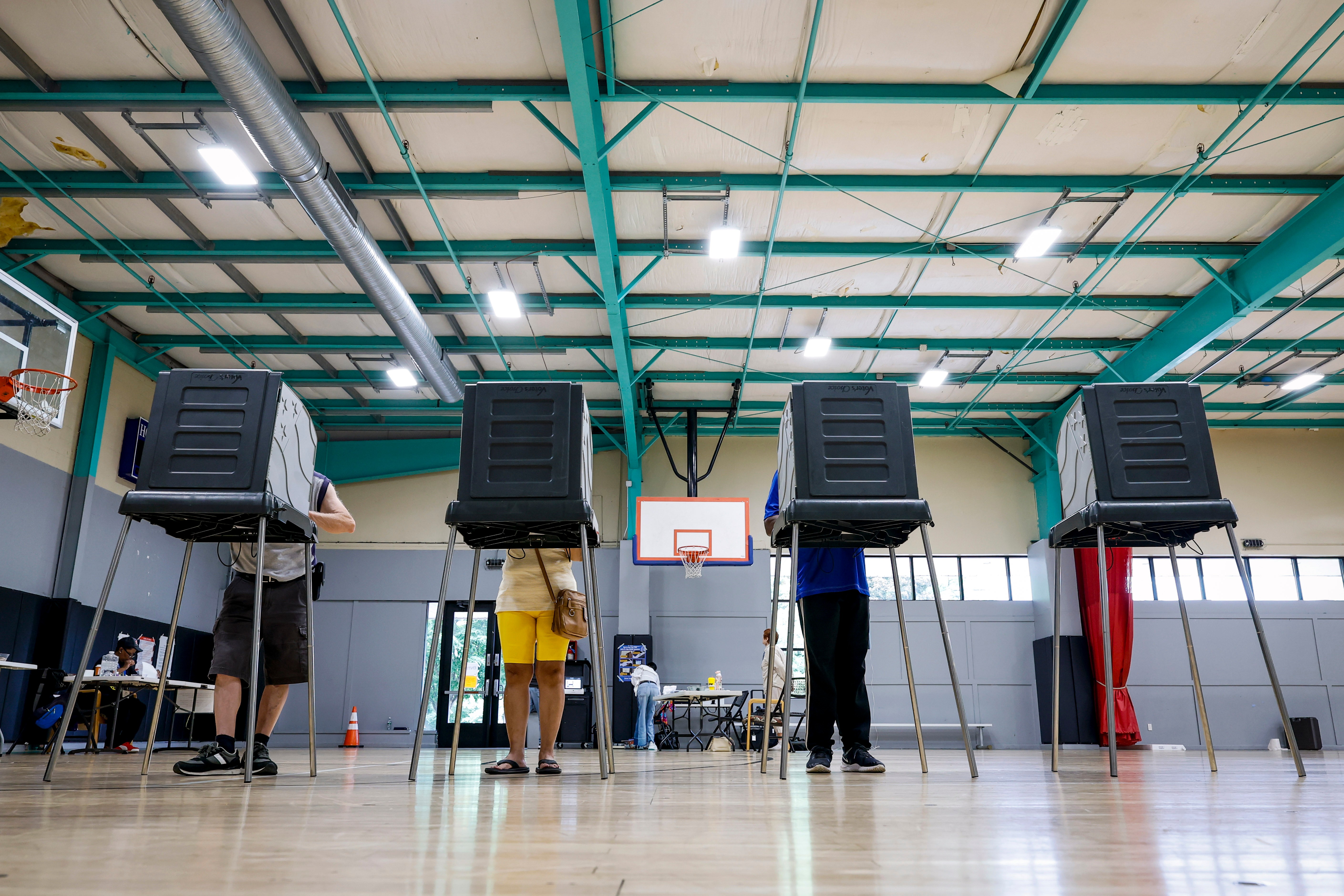
The strongest evidence in the public record on how such a system performs comes from Texas, cited by WRAL. Texas tested the system on about 18 million voters and it flagged roughly 2,700 as potential noncitizens. Manual review then found that 578 of those, more than a fifth of the flagged group, were citizens who had been identified incorrectly. Two lessons can be drawn. Supporters can say the system surfaced a set of registrations that warranted a second look and that human review caught the mistakes. Critics can say a false-positive rate of that size, applied at national scale, creates a real risk of wrongly burdening eligible voters, particularly if a state acts on a flag without verification. Both readings are consistent with the numbers. What the figure does not tell us is how many of the remaining flagged voters were confirmed as noncitizens, a number that the reporting reviewed for this article does not provide, and which is central to assessing the system's benefit.
The lower court's finding that the underlying citizenship data was known to be unreliable is the other pillar of the challengers' case. The Supreme Court's majority did not, on the reporting available, dispute that data problems exist. It concluded instead that the challengers were unlikely to succeed on their privacy claims and that the government's interest in running the system outweighed the harms alleged at this stage. That is a preliminary judgment, and the case continues in the lower courts.
Reactions
The League of Women Voters and the Electronic Privacy Information Center called the decision "profoundly disappointing," warning that it puts "millions of Americans at risk." Democracy Now!, which highlighted the dissent in its September 28 headlines, framed the ruling as a step toward voter suppression. The Washington Examiner presented it as a significant victory for the administration's election integrity efforts. Those two framings map onto a partisan divide over the issue that has run through American politics for years: one side stresses the danger of noncitizen registration, the other stresses the danger of disenfranchising eligible citizens through error-prone checks. Independent data on how often noncitizens actually vote or register is not something the sources reviewed here address, and readers should be cautious about claims from either camp that go beyond the documented Texas figures.
The order also lands amid other election-related fights. In recent weeks the Court has intervened repeatedly in redistricting disputes, and the administration has clashed with courts and media outlets on a number of fronts. In that context, each side is likely to read the SAVE ruling as another data point in a larger contest over who controls the mechanics of the vote.
What Comes Next
The most immediate question is how many states choose to use the expanded system and how they handle its results. Because participation is voluntary, the effect will vary. States with officials eager to remove ineligible registrants may run large-scale checks quickly, while others may decline or use it only for individual cases. The 90-day pre-election quiet period is the main legal guardrail. With the election on November 3, that window has already begun in most of the country, which means systematic removals should not be carried out this cycle even though flagged records may be referred for review, and individual inquiries remain permitted. Advocates will be watching for states that test the boundaries of that distinction.
Litigation will also continue. The Supreme Court's order stays the injunction pending appeal, so the underlying question of whether the modified system complies with federal privacy law remains open in the lower courts, and eventually may return to the justices. Plaintiffs are likely to look for concrete examples of eligible citizens wrongly flagged, since such evidence would strengthen their claim of harm. The government will look to show the system's usefulness and its safeguards.
There are longer-term implications too. If the system becomes a routine part of voter list maintenance, it would represent a shift toward federal data underpinning what has traditionally been a state-run function. That could improve consistency and speed, as the administration argues, or centralize risk, as critics argue, since an error in a federal record could propagate to many jurisdictions. For voters, the practical advice from election officials in such situations is generally to verify their registration status well ahead of Election Day and to keep documentation available. In the near term, the story to watch is not the ruling itself but its application: which states use the tool, how many voters are flagged, how many are cleared on review, and whether any eligible citizen is prevented from casting a ballot.
Published By | News Editor