Written By |
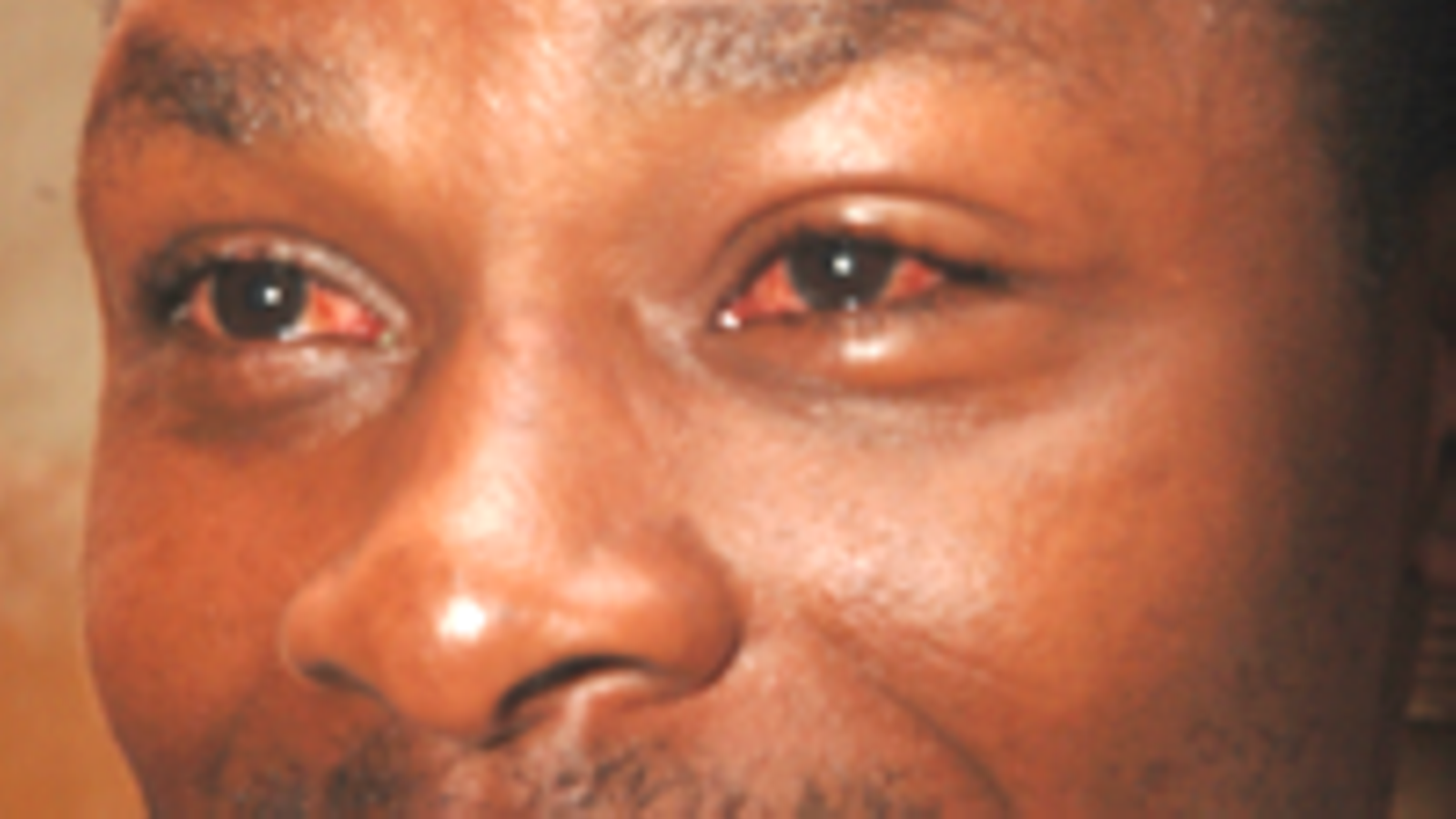
The disease, which causes severe hemorrhagic fever and can lead to bleeding from the eyes, is transmitted through contact with infected bodily fluids, contaminated objects, or infected animals
RWANDA - Global health authorities have issued an urgent alert following the outbreak of Marburg virus, a highly lethal Ebola-like disease, in Tanzania. The virus has so far infected nine people, claiming eight lives in the northeastern Kagera region.
Marburg, one of the deadliest pathogens known to humans, currently has no approved vaccines or treatments. Medical teams are focusing on managing symptoms and helping patients survive, often putting healthcare workers at significant risk of infection. The disease, which causes severe hemorrhagic fever and can lead to bleeding from the eyes, is transmitted through contact with infected bodily fluids, contaminated objects, or infected animals.
WHO deploys teams to combat the outbreak
The World Health Organization (WHO) has dispatched teams to Kagera, where the cases have been concentrated. Neighboring countries, including Rwanda and Burundi, are on high alert, raising fears of the virus spreading undetected.
The alarm was first raised last week when a mysterious illness struck six individuals, killing five. Preliminary tests indicated Marburg as the cause. As of January 11, the virus had spread to two districts—Biharamulo and Muleba—resulting in nine suspected cases and eight fatalities, according to WHO reports.
Symptoms and transmission
Marburg virus causes hemorrhagic fever, leading to internal bleeding and visible bleeding from the eyes, mouth, and ears. Initial symptoms include severe headaches, fever, diarrhea, stomach pain, and vomiting, which worsen over time.
Patients often exhibit “ghost-like” appearances, with sunken eyes and expressionless faces. The virus is challenging to distinguish from other tropical illnesses, such as Ebola and malaria, in its early stages.
The disease is believed to originate from fruit bats, with humans contracting the virus through prolonged exposure to caves or mines inhabited by the bats.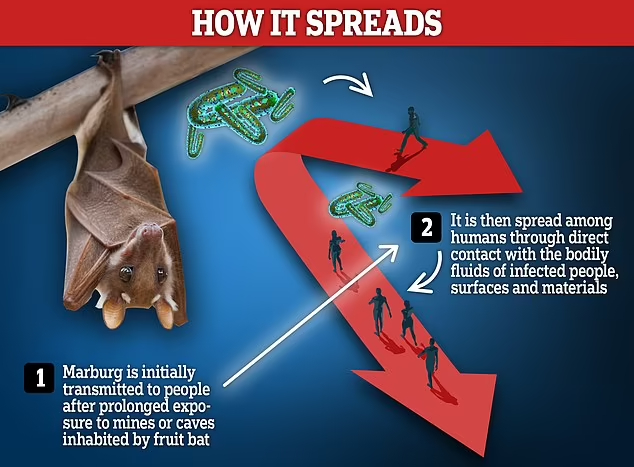
Illustration by Daily Mail
Regional risk and potential spread
WHO has warned of a high regional risk due to Kagera's strategic location, which serves as a transit hub with significant cross-border movements to Rwanda, Uganda, Burundi, and the Democratic Republic of Congo.
Some suspected cases have been reported near international borders, increasing the likelihood of the virus spreading to neighboring countries. However, WHO has reassured the public that Marburg is not easily transmissible and requires direct contact with infected bodily fluids or contaminated surfaces.
Despite the regional concerns, the global risk is considered low.
Previous outbreaks and response
This is not the first encounter with Marburg in East Africa. In March 2023, Tanzania's Bukoba district experienced its first outbreak, which killed six people over two months.
The latest outbreak follows a recent Marburg incident in Rwanda, which ended less than a month ago. Rwanda's outbreak infected 66 people, mostly healthcare workers, and claimed 15 lives, with a case-fatality rate of 23%, the lowest ever recorded for Marburg in Africa.
Illustration by Dail Mail
Ongoing investigations and warnings
Tanzania's health authorities have not officially confirmed the current outbreak, but WHO Director-General Tedros Adhanom Ghebreyesus has warned of potential further cases as surveillance efforts improve.
“The source of the outbreak is currently unknown. The delayed detection and isolation of cases, coupled with ongoing contact tracing, indicates incomplete information about the current situation,” WHO said in a statement.
Travelers to the region are advised to exercise caution, avoid high-risk areas, and adhere to public health guidelines. Health workers are urged to maintain strict infection control protocols to prevent further spread.
Agencies



