Written By | Staff Writer
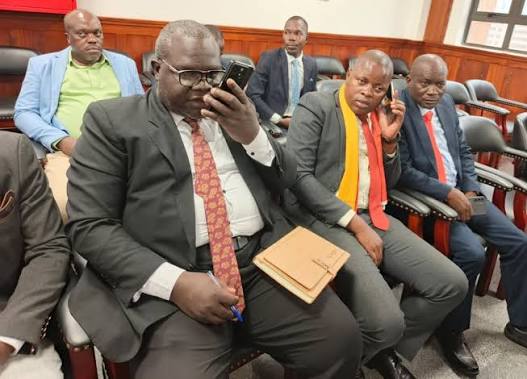
Of the original batch, 107 petitions challenge parliamentary election results and 11 concern local council races, according to a judiciary breakdown.
POLITICS
Eight months after Uganda's contentious January 2026 general election, the country's judiciary has begun the slow, high-stakes work of adjudicating the fallout. On September 14, High Court judges across the country opened pre-trial hearings on a wave of election petitions challenging the results of parliamentary and local council races, kicking off a process the judiciary says it intends to complete within roughly two months. The scale of the undertaking is unusual even by Uganda's own post-election standards: judiciary officials say 118 petitions were initially registered from the 2026 polls, a number that has since grown as more cases were consolidated and reported, with some accounts now putting the combined High Court and Chief Magistrate caseload at 346 petitions nationwide.
Of the original batch, 107 petitions challenge parliamentary election results and 11 concern local council races, according to a judiciary breakdown. To manage the load, the judiciary has deployed roughly 100 judicial officers — 48 High Court judges and 52 chief magistrates — spread across more than fifty court circuits and magisterial areas, including Masaka, Moroto, Iganga, Lira and the High Court's Civil Division in Kampala. Masaka district alone accounts for 21 petitions, requiring five judges working in parallel. The Principal Judge's office issued a memo instructing that "election petitions shall take precedence over all other matters during the period of this assignment," underscoring the pressure the judiciary is under to meet the six-month statutory deadline set by the Parliamentary Elections Act for resolving such disputes at the High Court level.
The petitions are the legal afterlife of a presidential and parliamentary election that was itself heavily contested. In January, the Electoral Commission, chaired by Justice Simon Byabakama Mugenyi, declared President Yoweri Museveni the winner with 71.65 percent of the vote, extending his four-decade rule into a seventh term. His closest challenger, opposition leader Robert Kyagulanyi — known as Bobi Wine — of the National Unity Platform, rejected the outcome as fraudulent, and international observers including Human Rights Watch documented reports of repression during the campaign period. While the presidential result was ultimately upheld after a petition to the Supreme Court was withdrawn earlier this year, the parliamentary and local races generated a much larger crop of individual disputes now working their way through the High Court.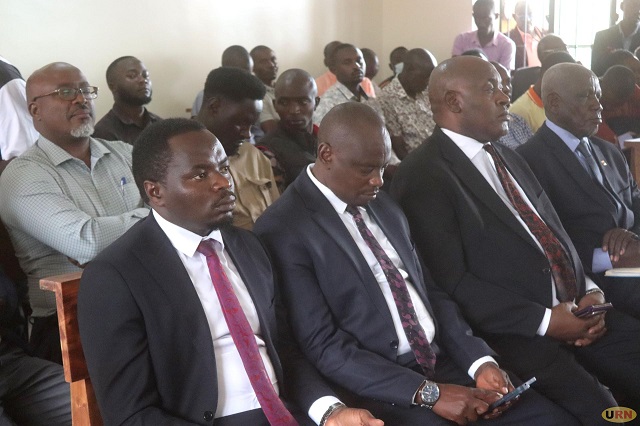
Some of the highest-profile cases center on Kampala, where the political stakes are magnified by the capital's national visibility. Ivan Bwowe has petitioned against Joel Ssenyonyi, the sitting Leader of the Opposition and Nakawa West MP, in a case both sides have described as one where the underlying facts are largely agreed but the legal questions are contested; the Electoral Commission itself has filed six preliminary objections in that matter, with a return date set for September 17. In Kampala Central, challenger David Lewis Rubongoya has filed 97 supporting affidavits against incumbent Hajjat Minsa Kabanda, one of the more evidence-heavy petitions before the court. In Nakawa East, petitioner Alex Waiswa Mufumbiro's case against MP Frederick Ruhindi was complicated when Mufumbiro, who is being held at Luzira prison, was not produced in court despite a warrant for his appearance. And in Makindye West, Francis Lubega's petition against Ali Mulyanyama has run into a preliminary objection from the respondent's side arguing the case was filed late. Beyond Kampala, petitions have also been filed against sitting legislators including former Trade Minister Amelia Kyambadde and State Minister Esther Davinia Anyakun, reflecting how widely the disputes are spread across the country's political map.
Presiding judges have made clear they want the process to move quickly and without theatrics. Justice Nshiimye, overseeing several of the Kampala petitions, urged petitioners and respondents to resolve disputes outside the courtroom where possible: "The law allows for mediation, this is not a war, go outside and talk and settle amicably," he told parties during a pre-trial session, while also restricting cross-examination to instances specifically approved by the court. Justices Nshiimye and Bukirwa have additionally barred audio and video recording of the proceedings, a move likely aimed at keeping politically charged testimony from circulating widely on social media before verdicts are reached. The judiciary had earlier faced its own institutional bottleneck: officials say the courts waited more than a month for the Ministry of Finance to release funds needed to get the hearings under way, a delay that fed criticism from candidates and parties anxious for resolution.
Why this matters goes beyond the individual seats in dispute. Uganda's post-election petition cycle has become a recurring test of whether the judiciary can function as a credible check on electoral outcomes in a political system otherwise dominated by the ruling National Resistance Movement. A large, credible slate of rulings — including some that go against sitting MPs or the NRM — would bolster the courts' standing as a genuine avenue for redress rather than a formality. Conversely, further delays, procedural dismissals on technical grounds, or a pattern of rulings seen as favoring incumbents could deepen public skepticism about the fairness of the broader electoral system, feeding into the opposition's long-standing argument that Uganda's elections are managed rather than contested. The involvement of the Leader of the Opposition himself as a respondent, alongside sitting ministers and dozens of other MPs, means the outcomes will be watched closely both domestically and by international observers who have already raised concerns about the fairness of the January vote.
Looking ahead, the High Court's Kampala petitions are expected to move through further pre-trial and evidentiary hearings through late September, with several matters already returnable on September 17, and the broader national docket of High Court cases slated to run through mid-November. Given the volume of cases, appeals to the Court of Appeal and potentially the Supreme Court are likely regardless of the initial outcomes, meaning the full legal reckoning from the January election could stretch well into 2027. In the meantime, the sheer number of MPs and local officials facing live legal challenges to their mandates — including the country's top opposition figure in Parliament — will keep election-related litigation as one of the dominant storylines in Ugandan politics for months to come. Analysts and civil society groups are likely to track closely how many petitions succeed, how consistently courts apply evidentiary standards across cases, and whether the judiciary meets its self-imposed timeline, all of which will shape perceptions of judicial independence heading into the second half of Museveni's seventh term.



