Written By |
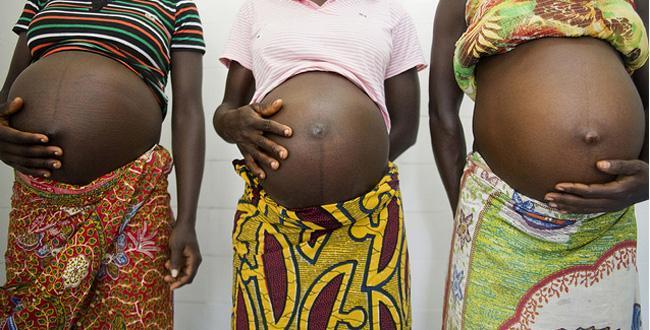
According to the United Nations Population Fund report on teenage pregnancy during Covid -19 pandemic, a total of 551,235 teenage pregnancies were recorded in 2020 and the first 6 months of 2021
By Kajumba Godfrey
“I advise children in school mainly girls to concentrate on their studies. I dropped out of school and all my dreams were shuttered” Emily Namicwe rallies school going children.
Namicwe now 19 years is a mother of a 3 year old baby girl. She got pregnant at 16 while in senior 3 at the onset of the Covid -19 school break.
We found her at her mother’s humble home in Nyanongo village, Ngarama Sub County in Bukanga County.
“I don’t regret that I gave birth, my family especially my mother were supportive, you may not be lucky like me; some parents are too rough to their school- going daughters, chasing them out of home when they get pregnant, while others are forced to abort, putting their lives at risk, as some die during this process” she further advises the teenagers.
Namicwe is among the hundreds of thousands of teenage girls who got pregnant during the close to 2 years of school break due to Covid 19 in Uganda.
According to the United Nations Population Fund report on teenage pregnancy during Covid -19 pandemic, a total of 551,235 teenage pregnancies were recorded in 2020 and the first 6 months of 2021. By the end of 2021, these figures had risen to 649,955.
These statistics represent many shuttered dreams, altered aspirations and also of those who can no longer dream as many teenagers are unaccounted for, with many feared dead during the course of pregnancy.
“My dream was to be a nurse but that can longer happen, I have no plans of chasing this dream any more. I now want to acquire skills in tailoring, that’s my new dream” Namicwe says.
At 19, she has started thinking of how to survive with her young family, which comprises of her 21 year old husband, the father of her child who happens to be her high School boyfriend.
"I have now started engaging in agriculture. “This rainy season, I have planted ground nuts, maize and millet. I believe if I add this to my planned tailoring business, I will be able to help my husband, a builder, to support our family”.
Scovia Katushabe the mother to Namicwe says she was hurt by her daughter but forgave her. “She was 2 months pregnant when she told me. I felt bad and hurt because I had lots of hope in her but after a while, I came to terms with the situation and consoled myself that this isn’t the end of the world, she can continue with school after giving birth.”
In Kyenjojo district, Josephine Baguma (not her real name) wakes up at 4 am to prepare herself for school and her one year old son for the day before dropping him off at a good samaritan’s place as she heads to school. The 19 year old is in her form 5 taking Mathematics, Economics, Geography and Information Communication and technology (MEG/ICT) dreaming of being a teacher one day.
Baguma says she was raped after her cousin sister, with whom she was staying with during the Covid 19 lock down set her up. “This boy was in his senior six vacation. He used to come to our single room to visit my sister and would carry with him some food stuffs and other household sundries”.
On this particular day, my sister told me to go and check on him that he was sick “he wasn’t sick, when I reached his room; he closed the door and forced himself on me”.
I was in S.4 then and a few months after the incident, President Yoweri Museveni said that pregnant girls should be allowed to return to school, “I concealed the pregnancy so that i register for my final O’level examination knowing that my mother will allow me to sit for the examinations irrespective of my condition” Baguma narrates.
When the pregnancy reached 7 months, the boy who impregnated me disappeared in fear of being arrested.
I decided to confide in one of my female friend teacher because I couldn’t hide the pregnancy anymore in my uniform. She talked to the head teacher, who understood my plight but asked me to stay away from school till examination time as the tummy was protruding through the uniform and I had no money to buy a new one”.
I come from a very humble family, my peasant mother single handedly takes care of the 11 of us after our father abandoned us but the school administration was kind to me, “ the school waived my fees debts for me so that I could sit for my senior four final exams” she says.
Molly Harriet Niyigira the Kamwenge district community development officer discloses that the district recorded 4,000 teenage pregnancies of girls aged between 12 years and 18 years during the Covid -19 school break.
She attributes these high figures of teenage pregnancies to poverty and at times negligence by parents. “Some parents fail or don’t care to avail necessities including sanitary towels to their daughters. These end up getting these things from men who often condition them with sex”.
Niyigira adds that the high poverty rates saw many parents give away their teenage girls for marriage in exchange for a few food stuffs and livestock. “Some parents in the refugee settlement gave away their daughters for just a sack of beans”.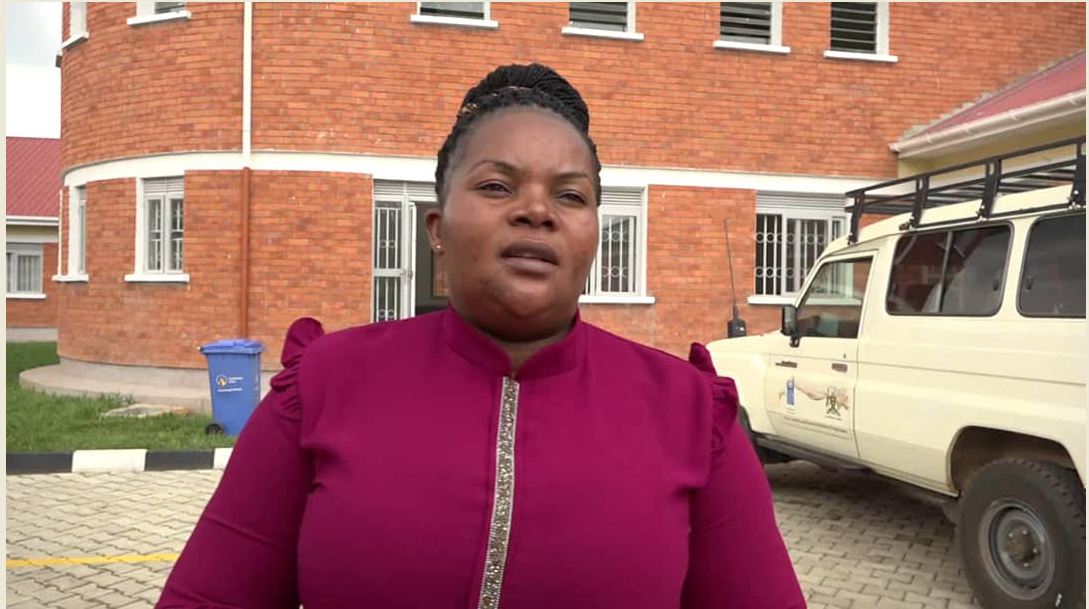
Molly Harriet Niyigira
Challenges of teenage pregnancies.
Noeline Baguma says she lost all her friends, “even the people I used to chat with in Senior 4 don’t want anything to do with me just because I gave birth”. I also fear associating with fellow students, what if she gets pregnant, they will say it’s me who influenced her”.
There is also a challenge of finger pointing, right from the askari at the gate, everyone backbites you that “that’s the girl who gave birth”.
Molly Harriet Nigira says they can’t account for 880 of the 4,000 teenagers who were recorded pregnant, “we think some of these died either while giving birth or procuring abortions, others ended up married to their abusers”. Niyigira adds that teenage pregnancies also increased cases of fistula amongst the teenagers.
Advise
Baguma advises teenagers who get pregnant while still schooling to go back to school when a chance comes up, “No one wants an illiterate wife, at our age its not good for us to go into marriage, there is no respect being an illiterate wife, people will respect you for your profession like a teacher, let’s use the 2nd chance to education if it shows up after giving birth”.
Scovia Katushabe the mother to Emily Namicwe says parents shouldn’t harass their daughters for getting pregnant, “these girls need lots of love to build their self-esteem in society and assure them that getting pregnant isn’t the end of the world. Harassing them might push them to suicidal tendencies or try to abort which is risky”.
Molly Harriet Niyigira the Kamwenge district community development officer wants the ministry of education to review the teaching of sexual reproductive health to focus on age of learners and not class. “Many of our learners join school when they are old, we have leaners of 14 years in P.2, by the time they reach P.5 where the topic is taught it’s too late”.
Intervention
The Uganda National Teachers Union (UNATU) through its SIMAMENI program is among the many institutions that have come out to help girls who have given birth to return to school.
This project runs in 8 districts in the country: Kamwenge, Kyenjojo, Kibale and Kyegegwa in Western Uganda and then Serere, Ngora, Kumi and Bukedia districts in Eastern Uganda with each district having 3 schools.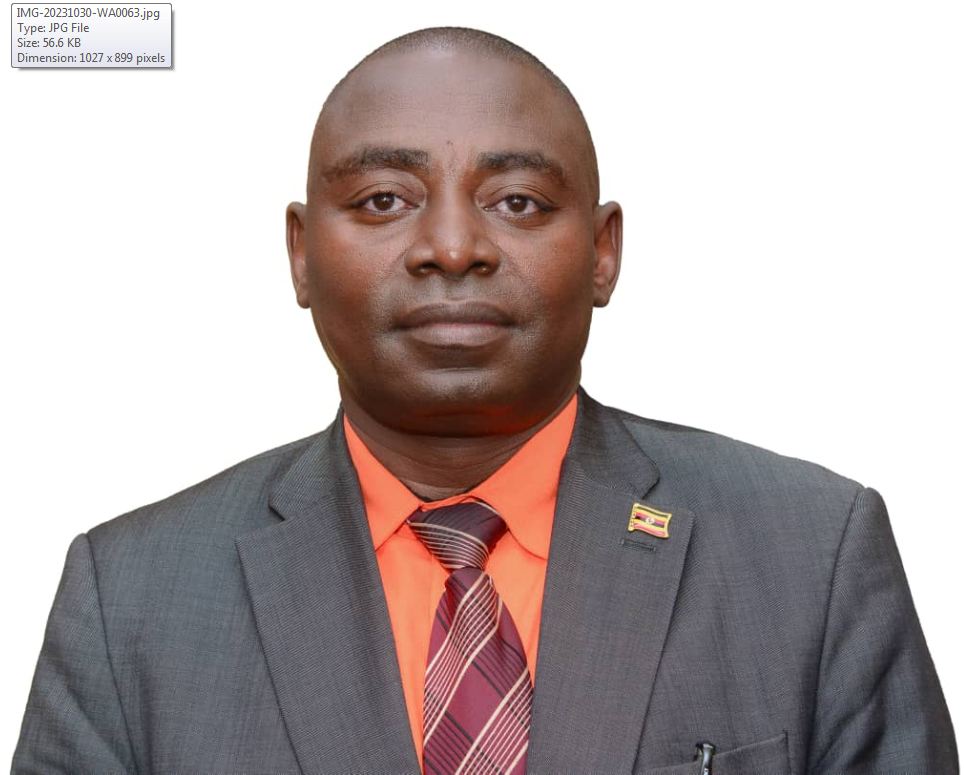
Philbert Baguma
Philbert Baguma the general secretary UNATU says they supply these girls with reusable sanitary towels, books and other scholastic materials, “we have given each school 8 million shillings to allow at least 50 girls from very disadvantaged families study for free”.
He however says these girls still have challenges like lack of a nursery at school where to leave their babies as they go for studies and also breast feed later.
Baguma calls for collective efforts to mobilise and motivate these girls to return to school and chase their dreams, “We need to understand how these girls got pregnant, there are many things teenage girls go through. We need to preach that there is always another chance after getting pregnant”.
This story was published with support from The Center for health, Human Right and Development (CEHURD).
https://youtu.be/Ntn007km-Gc Link to video



