COURT
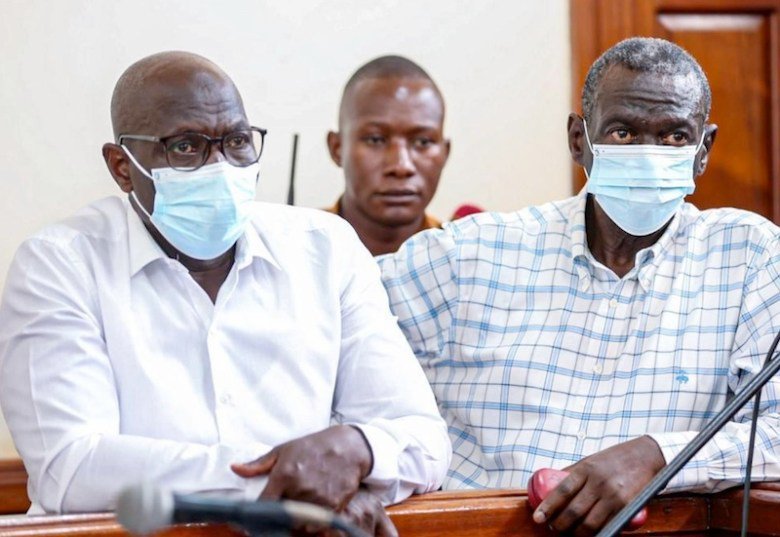
Kampala's High Court has pushed the treason trial of veteran opposition leader Dr. Kizza Besigye to September 23, after a dispute erupted over whether a contested transcript of secretly recorded conversations can be used as evidence against him. The adjournment, ordered by Justice Emmanuel Baguma on September 18, is the latest turn in a prosecution that has now stretched nearly two years and become one of the most closely watched legal battles in Uganda's post-election political landscape.
What Is Happening
The hearing this week centered on testimony from Medadi Ssentanda Erisa, a senior linguistics lecturer at Makerere University's Institute of Languages, who told the court how his team transcribed more than 25 hours of audio and video recordings handed to them by Uganda's Criminal Investigations Department. The job, completed at a rate of Shs70,000 per minute, cost the state Shs59.3 million and produced a report delivered on October 7, 2025, that prosecutors want to introduce as central evidence in the case.
Defence lawyers objected strenuously. They argued that the report violates Uganda's Electronic Evidence Act because the original flash drives containing the recordings were never properly tendered to the court before the transcription was commissioned, breaking the chain of custody required for digital evidence to be admissible. "The witness does not own the evidence," defence counsel told the court, questioning how a third party could be handed unverified recordings to transcribe before the court itself had examined them. Justice Baguma adjourned proceedings to September 23 so he can rule on whether the transcription report will be admitted.
The adjournment follows a separate procedural dispute earlier this month, when prosecutors attempted to file an application to conceal the identities of six state witnesses without first formally serving it on the defence. Justice Baguma ordered the prosecution to properly serve the accused and their lawyers before that request could be considered, adding another layer of delay to a trial that has moved in fits and starts since it began.
Who Is Involved
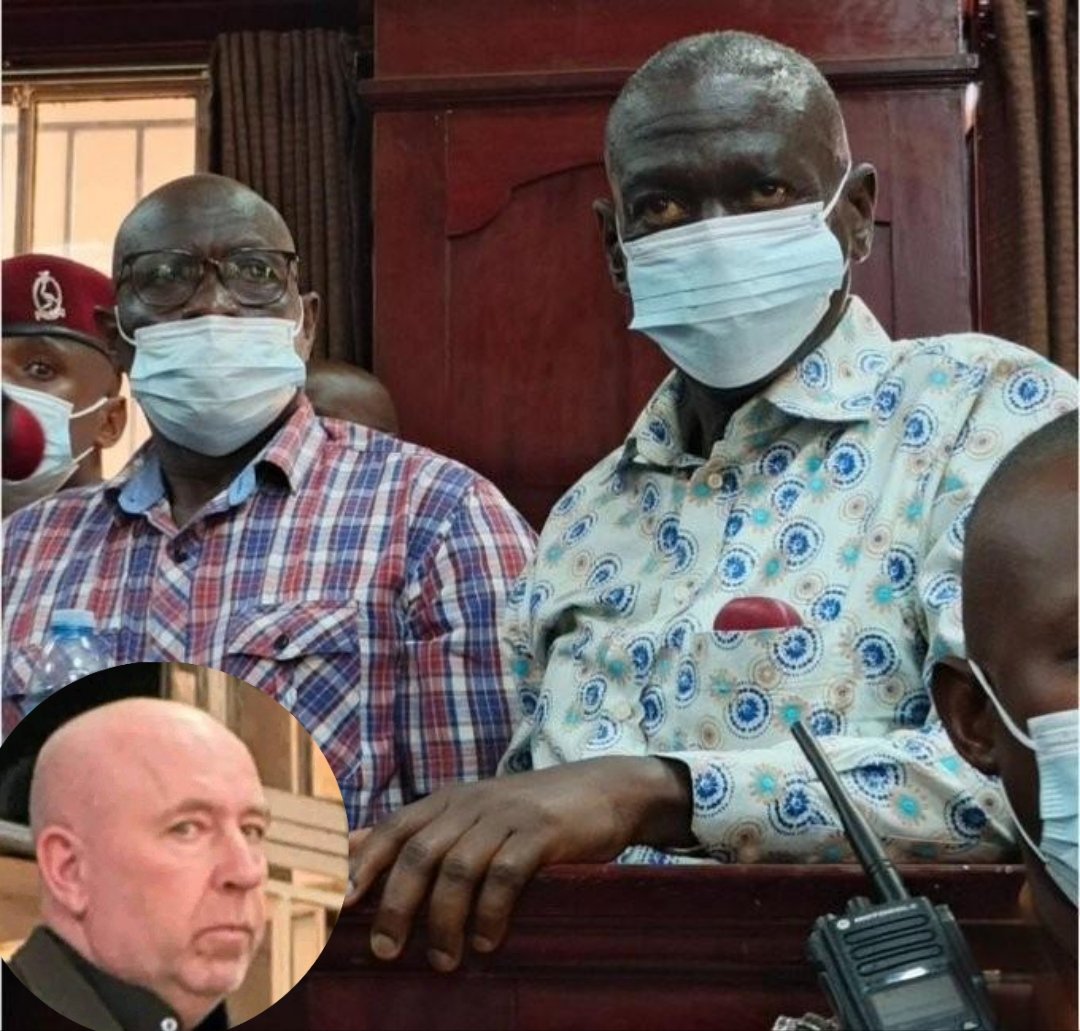
Besigye, an 80-year-old former army colonel and physician who ran against President Yoweri Museveni in four presidential elections as leader of the Forum for Democratic Change, faces charges alongside two co-accused: his longtime aide Hajji Obeid Lutale and a serving UPDF officer, Captain Denis Oola. Prosecutors allege the three men participated in meetings in Nairobi, Geneva and Athens as part of a plot to overthrow the government by force, soliciting weapons and, according to some of the charges, planning an assassination attempt against President Museveni. All three deny the charges.
A key prosecution witness, a British-American man testifying under the alias "Orlando" and identified in court filings as Andrew Wilson, has given extensive testimony about covertly recorded meetings, including one in Nairobi in November 2024. It was in Nairobi, on November 16, 2024, that Besigye was seized — an incident Ugandan opposition figures, Kenyan lawmakers and international rights groups have characterised as an unlawful cross-border abduction, since Besigye holds no Kenyan charges and was reportedly bundled onto a vehicle and driven to the Uganda border before being presented to a military court. He has been held in pre-trial detention ever since, a period now approaching two years.
Background And Context
Besigye's prosecution unfolded against the backdrop of Uganda's January 2026 general election, in which Museveni secured a seventh term after more than three decades in power. Human rights organisations, including Human Rights Watch, have documented a wider pattern of pressure on opposition figures around that vote. In a report last month, the group detailed the case of Muwanga Kivumbi, deputy president of the National Unity Platform, who says he was abducted by armed soldiers from a roadblock in July, held incommunicado for nine days, and beaten before being formally re-arrested and charged with inciting violence. Rights groups say Besigye's own legal team has faced parallel pressure: one of his lawyers was separately charged with treason-related offences, while another was deported.
Besigye's health has become part of the courtroom drama. He collapsed during a hearing in late July and was hospitalised, prompting his wife, Winnie Byanyima — the executive director of UNAIDS — to say publicly that he was in intensive care. The High Court subsequently ordered a medical report to determine whether he remains fit to stand trial, underscoring concerns about the toll of prolonged detention on a defendant in his eighties.
Why It Matters
The case has become a flashpoint in a broader argument over judicial independence and the treatment of political dissent in Uganda. Government officials maintain the prosecution is a straightforward criminal matter concerning an alleged armed plot, pointing to recorded conversations and witness testimony as the basis for the charges. Opposition figures and international observers counter that the slow pace of the trial, the unusual circumstances of Besigye's arrest, and the pattern of charges against his associates fit a broader campaign to sideline Museveni's most durable political rival ahead of and after the election.
The evidentiary dispute now before Justice Baguma is not a technicality to either side. If the transcription report is thrown out, prosecutors would need to rebuild much of their case around witness testimony alone, potentially weakening it considerably. If it is admitted, the recordings — and Erisa's transcription of them — would likely form the backbone of the state's case when substantive hearings resume.
What To Watch Next
September 23 is the immediate date to watch, when Justice Baguma is expected to rule on the admissibility of the transcription report. That ruling will shape how much of the prosecution's core evidence survives to trial and could determine whether the case moves toward a full hearing on the merits or drags into further procedural wrangling. Also unresolved is the prosecution's bid to shield the identities of six state witnesses, which must now be properly served on the defence before it can be argued. Besigye's fitness to stand trial, pending the medical report ordered by the High Court, remains a parallel issue that could affect the trial's timeline regardless of how the evidence dispute is resolved. With international rights groups continuing to monitor the case closely, any further delay or a ruling seen as procedurally irregular is likely to draw renewed scrutiny of Uganda's post-election human rights record.
Published By | News Editor