SCIENCE & HEALTH
Somewhere in a nursing facility, an 80-year-old rolls up her sleeve for a vaccine she thinks is just about avoiding a nasty, blistering rash. She has no idea she might also be arming her brain.
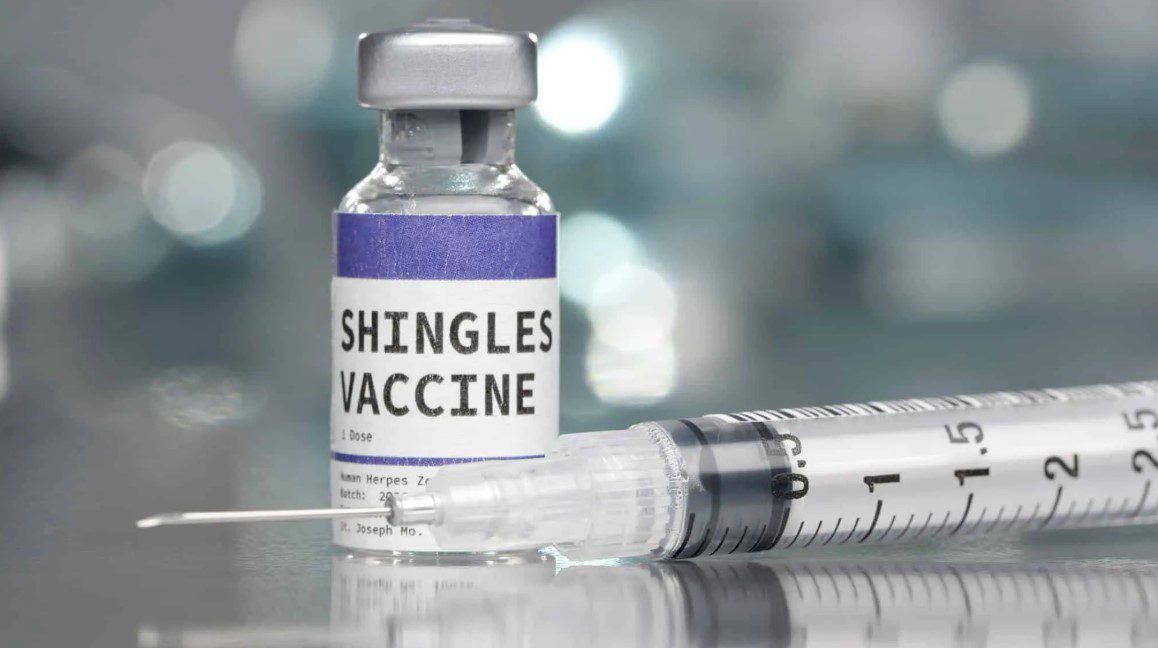
That's the stunning implication of a new study out of Brown University, published this month in the Annals of Internal Medicine, which found that older adults who received the shingles vaccine Shingrix were 24% less likely to be diagnosed with dementia over the following four years compared to those who skipped it. Researchers estimate that works out to roughly one dementia diagnosis prevented for every 17 people vaccinated — a number large enough to make geriatricians sit up straight.
It's the latest, and one of the largest, entries in a growing pile of research suggesting that a cheap, widely available vaccine designed to stop a virus reactivating in your nerves might also be doing something remarkable for your brain. And it comes at a moment when dementia diagnoses are climbing worldwide, treatment options remain frustratingly limited, and expensive new Alzheimer's drugs reach only a sliver of patients who need them.
"This translates to about one in 17 dementia cases potentially being prevented," said Kaley Hayes, the study's lead author and an assistant professor at Brown University's School of Public Health. It's the kind of sentence that could reshape how doctors talk to their aging patients about a vaccine many still skip.
A Massive, Real-World Experiment
The Brown-led team didn't run a traditional randomized clinical trial — those are notoriously expensive and slow, and nobody was going to deliberately withhold a proven vaccine from half a study group for years just to watch what happened to their brains. Instead, the researchers used a technique called "target trial emulation," which is designed to mimic the rigor of a randomized trial using real-world data collected as people went about receiving ordinary medical care.
They pulled Medicare claims and electronic health records from more than 500,000 adults age 66 and older, all of whom had been admitted to more than 5,500 skilled nursing facilities across the United States for short-term or long-term care between 2017 and 2022 — a population uniquely useful for research because it's closely tracked and unusually vulnerable to cognitive decline.
The numbers were stark. Among those who received at least one dose of the recombinant shingles vaccine, known clinically as RZV, only 18.8% went on to develop dementia within four years. Among those who didn't get the shot, the rate climbed to 24.6% — nearly a six-percentage-point gap in absolute terms, or a 24% reduction in relative risk.
That's not a subtle signal buried in statistical noise. It's a gap wide enough to show up in a population this large with real confidence, which is why the paper landed with such force in dementia research circles this week.
This Isn't the First Time This Vaccine Has Made This Case
If the finding sounds familiar, that's because it should. For the past several years, a string of studies — using totally different data sets, different countries, and different statistical tricks — have all pointed in the same eerie direction: get your shingles shot, and your dementia risk seems to drop.
Researchers have exploited so-called "natural experiments," like the fact that Wales rolled out its shingles vaccination program based on people's exact birth dates, creating an almost-random cutoff that let scientists compare near-identical groups of people who happened to just miss or just make the eligibility window. Those studies, published in journals including Nature and Nature Medicine, found similar protective effects. A separate analysis published in Cell even suggested the vaccine's benefit might depend on when in the dementia disease course a person receives it.
What makes the new Brown study notable is scale and population: half a million people, all drawn from a setting — skilled nursing facilities — where dementia risk is already elevated and where the stakes of prevention are highest.
Why Would a Shingles Shot Protect the Brain?
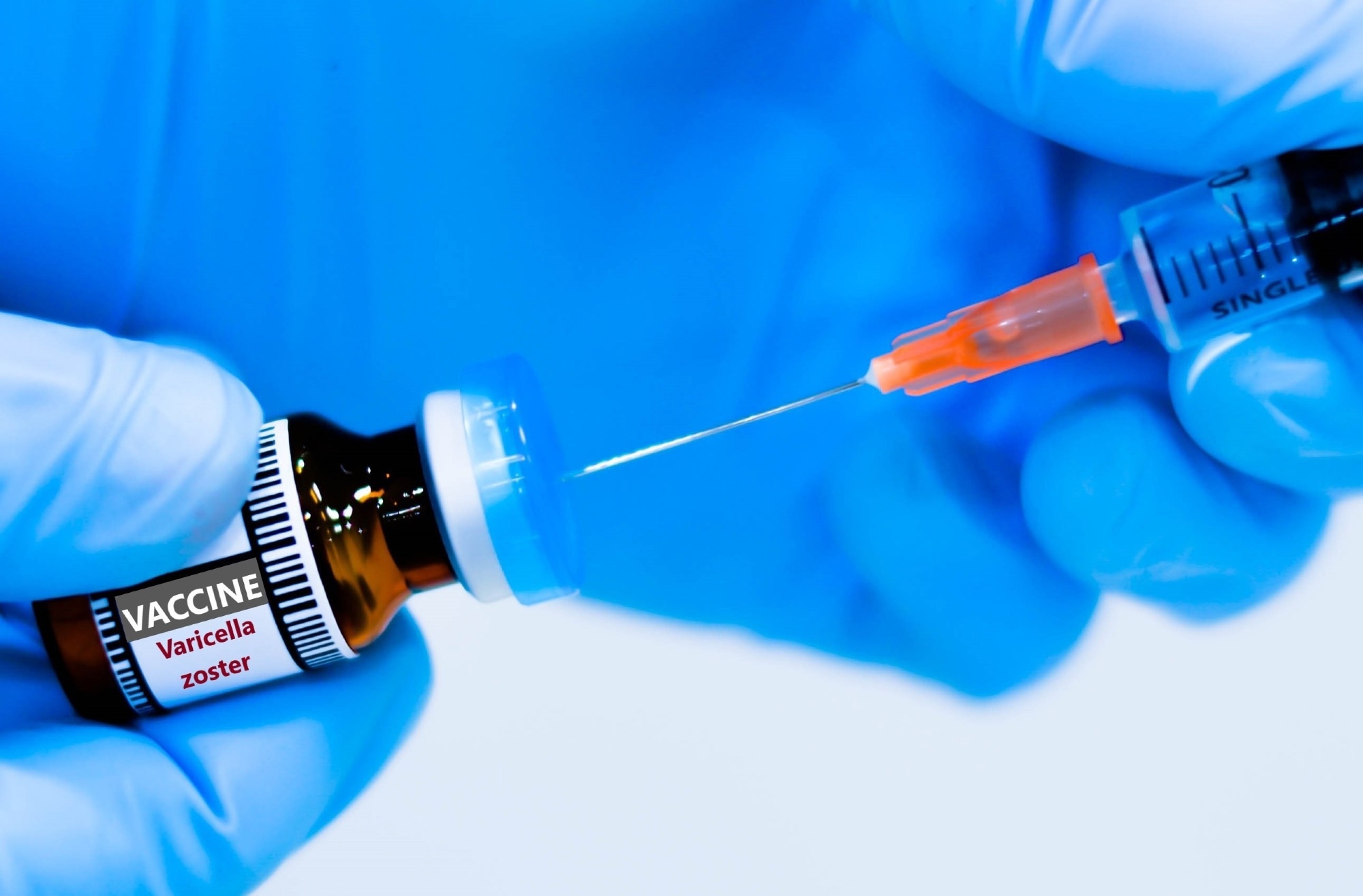
Here's where it gets genuinely fascinating, because nobody set out to build a dementia vaccine. Shingrix exists to prevent shingles, the painful, blistering rash caused by the reactivation of the varicella-zoster virus — the same virus that gives kids chickenpox, then lies dormant in nerve tissue for decades, waiting for an aging or weakened immune system to let its guard down.
But that dormant virus doesn't sit quietly forever, and mounting evidence suggests it may be doing slow, cumulative damage to the brain even before it erupts into a visible rash. Researchers believe reactivations of the varicella-zoster virus can trigger vasculopathy — damage to blood vessels — along with amyloid deposition and tau protein aggregation, the same toxic hallmarks found in Alzheimer's disease. The virus may also drive chronic neuroinflammation, essentially keeping the brain's immune system in a low-grade, damaging state of alarm for years.
There's an additional twist: some scientists suspect that suppressing zoster reactivations may also indirectly tamp down flare-ups of herpes simplex virus-1 — another neurotropic virus long suspected of playing a role in cognitive decline — through shared neuroinflammatory pathways. In other words, quieting one dormant virus in the nervous system might quiet its neighbors too.
If that theory holds, a vaccine that prevents the shingles virus from waking up isn't just sparing people a rash — it may be sparing their neurons a slow-burn assault that plays out over decades.
Not Everyone Is Ready to Declare Victory
Before anyone starts treating Shingrix as a memory pill, scientists studying the data are urging caution — and for good reason.
This remains an observational study, not a randomized trial, which means it can show a strong association but cannot definitively prove that the vaccine causes the drop in dementia risk. The researchers themselves flagged a familiar problem in vaccine research: "healthy-vaccinee bias." People who show up for their shots tend to be more health-conscious, more engaged with the medical system, and often slightly younger and in better baseline health than people who skip them — any of which could independently lower dementia risk regardless of what's in the syringe. The Brown team found their vaccinated group was indeed a touch healthier and younger than the unvaccinated comparison group, even after their statistical adjustments.
There's also a funding wrinkle worth noting: the two-year, investigator-initiated study was supported by GlaxoSmithKline, which manufactures Shingrix. The researchers state GSK had no role in the study design, analysis, or the decision to publish — a standard and important disclosure — but it's the kind of detail careful readers should know.
And the population itself was narrow: older adults who had just been admitted to a skilled nursing facility, a group already facing elevated dementia risk and unique health circumstances. Only a sliver of eligible people in that setting — under 2% — had received even a single Shingrix dose, which limits how broadly the findings can be generalized to healthier seniors living independently.
What Experts Are Saying
The consistency across multiple independent research teams, using different populations and different methods, is what's making dementia researchers take notice rather than dismiss this as a fluke. Cardiologists and neurologists studying vaccine-brain links have increasingly pointed out that the evidence base is no longer a single surprising paper — it's now a pattern spanning Wales, Australia, the U.S., and multiple peer-reviewed journals, all converging on a similar protective signal.
Public health commentators have noted that even a modest, unproven benefit is worth banking given how safe and well-studied Shingrix already is. The vaccine carries CDC recommendations for adults 50 and older regardless of any dementia angle, on the strength of its ability to prevent shingles and the long-term nerve pain, called postherpetic neuralgia, that can follow it.
What This Means for You
If you're over 50 — or you have an aging parent who's been putting off that second Shingrix dose — this is a moment to pay attention, even with the caveats. The vaccine is already recommended on its own merits: shingles is miserable, potentially debilitating, and disproportionately affects older adults. The possibility of a dementia-risk benefit is, at this point, a compelling bonus argument rather than a settled medical fact.
Doctors are likely to start bringing this research up more often in appointments with older patients, particularly those with a family history of dementia or those living in or entering long-term care settings, where the new study's population was concentrated. It's reasonable to ask your physician whether you're up to date on your shingles vaccination, and to have a real conversation about what the current evidence does and doesn't show.
What it doesn't mean is that Shingrix should be treated as an Alzheimer's cure or a replacement for other dementia-risk-reduction strategies like blood pressure control, exercise, hearing aid use, and cognitive engagement. Nobody studying this data is suggesting that.
The Bigger Picture
Dementia now affects an estimated 55 million people worldwide, a number expected to nearly triple by 2050 as populations age, according to global health estimates. Effective treatments remain scarce, expensive, and often only modestly effective at slowing — not reversing — decline. Against that grim backdrop, a vaccine that already exists, is already recommended, is already covered by most Medicare plans, and might carry a meaningful side benefit for brain health represents about as close to a free lunch as modern medicine gets.
The next step for researchers will be pinning down the actual biological mechanism with more precision, and ideally designing prospective studies that can more directly test cause and effect rather than relying on statistical emulations of trials that were never run. Until then, the message emerging from Providence is cautiously electric: an already-recommended shot against a painful rash might be doing something scientists never designed it to do — quietly standing guard over the aging brain.
For now, that's a reason for optimism, not a guarantee. But for a disease with so few tools to fight it, optimism grounded in half a million real patient records is not nothing.
Published By | News Editor