Written By |
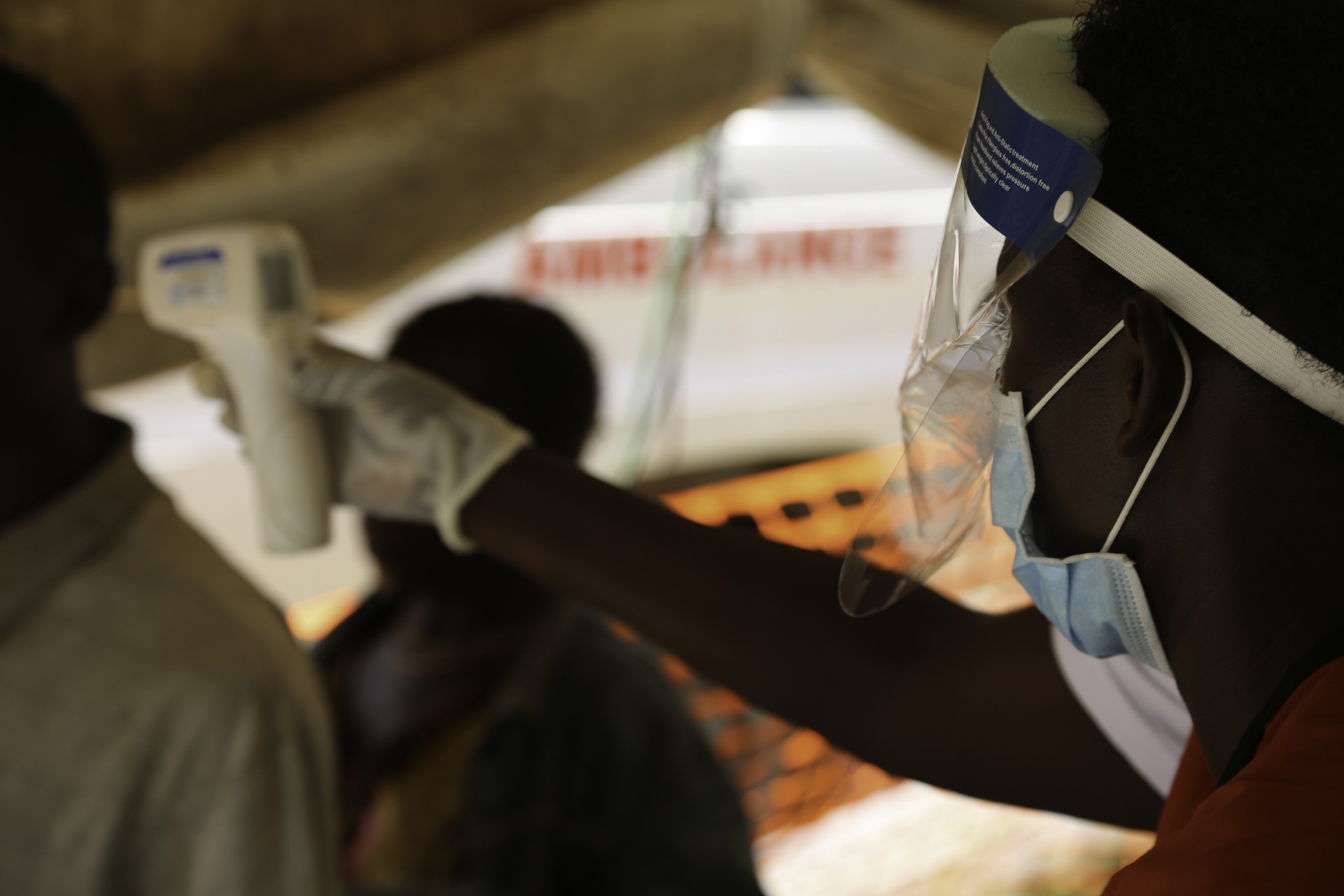
WHO and the US government have praised Uganda’s public health interventions, highlighting their significant contribution to saving lives and strengthening health systems
By Our Reporter
The World Health Organization (WHO) and the US government have praised Uganda’s public health interventions, highlighting their significant contribution to saving lives and strengthening health systems.
Dr. Mary Boyd, the CDC Uganda Country Director, described Uganda’s Public Health Fellowship Program as a shining example of the collaboration between Uganda and the US. "This partnership, which began in 1994, now includes WHO and the African Field Epidemiology Network (AFENET)," Boyd stated during the 10th National Field Epidemiology and 2nd National Laboratory Leadership Conference at Hotel Africana, Kampala, on November 22, 2024.
She emphasized that the program has fostered a network of public health experts who have been pivotal in responding to outbreaks like COVID-19, Ebola, and Mpox. "These professionals are on the frontline, fostering critical collaborations to strengthen Uganda’s public health responses," Boyd said, commending their tireless efforts over the past decade.
Conference highlights
The conference, organized by the National Institute of Public Health (NIPH) in partnership with CDC, Baylor Uganda, and Makerere University School of Public Health, showcased vital public health insights from fellows of Uganda’s Field Epidemiology and Laboratory Leadership Training Programs.
Topics covered included:
Zoonoses and One Health, Food and Water-Related Diseases, Malaria, Tuberculosis, and HIV and Vaccine-Preventable Diseases and Surveillance
Dr. Boyd noted the alignment of these efforts with the US Global Health Security Strategy for 2024, which emphasizes collective action to safeguard communities against future health threats.
Advances in malaria and disease reporting
One key achievement highlighted was Uganda’s improved sensitization efforts, leading to early reporting of malaria and other outbreaks. Charity Mutesi, an NIPH field epidemiologist, presented research on malaria in pregnancy (MiP), emphasizing the severe maternal and infant outcomes associated with the disease. She credited government interventions with stabilizing transmission rates, while urging increased availability of malaria commodities, particularly at lower-level facilities.
Focus on adolescent health
Susan Waako, another epidemiologist, presented findings from a study conducted in Fort Portal in June 2024. The study revealed that 74% of teenage girls in the region engage in sexual relationships with businessmen for financial support. The research, based on a sample of 355 adolescent girls and young women aged 15 to 24, underscores the need for targeted interventions to address economic vulnerabilities.
WHO and Baylor Uganda support
Sorome Okware, representing the WHO Country Director, emphasized the importance of integrating human, animal, and environmental health through the One Health approach. "This milestone underscores the critical importance of collective action in addressing public health challenges," Okware said.
Baylor Uganda Executive Director Dr. Disab Kiraga commended stakeholders for their commitment to public health training and called for sustained efforts to ensure the programs thrive.
Call to action
WHO encouraged member states to incorporate epidemiology training programs into national health systems, commending Uganda’s Ministry of Health for its proactive approach. The alumni of the Field Epidemiology and Laboratory Leadership Programs were lauded for their contributions, with each chairing various sessions during the conference. Dr. Boyd concluded by applauding the resilience of global health systems in recovering from COVID-19 and reaffirmed the US government’s commitment to advancing Uganda’s public health initiatives.
Torch Media Africa



