Written By |
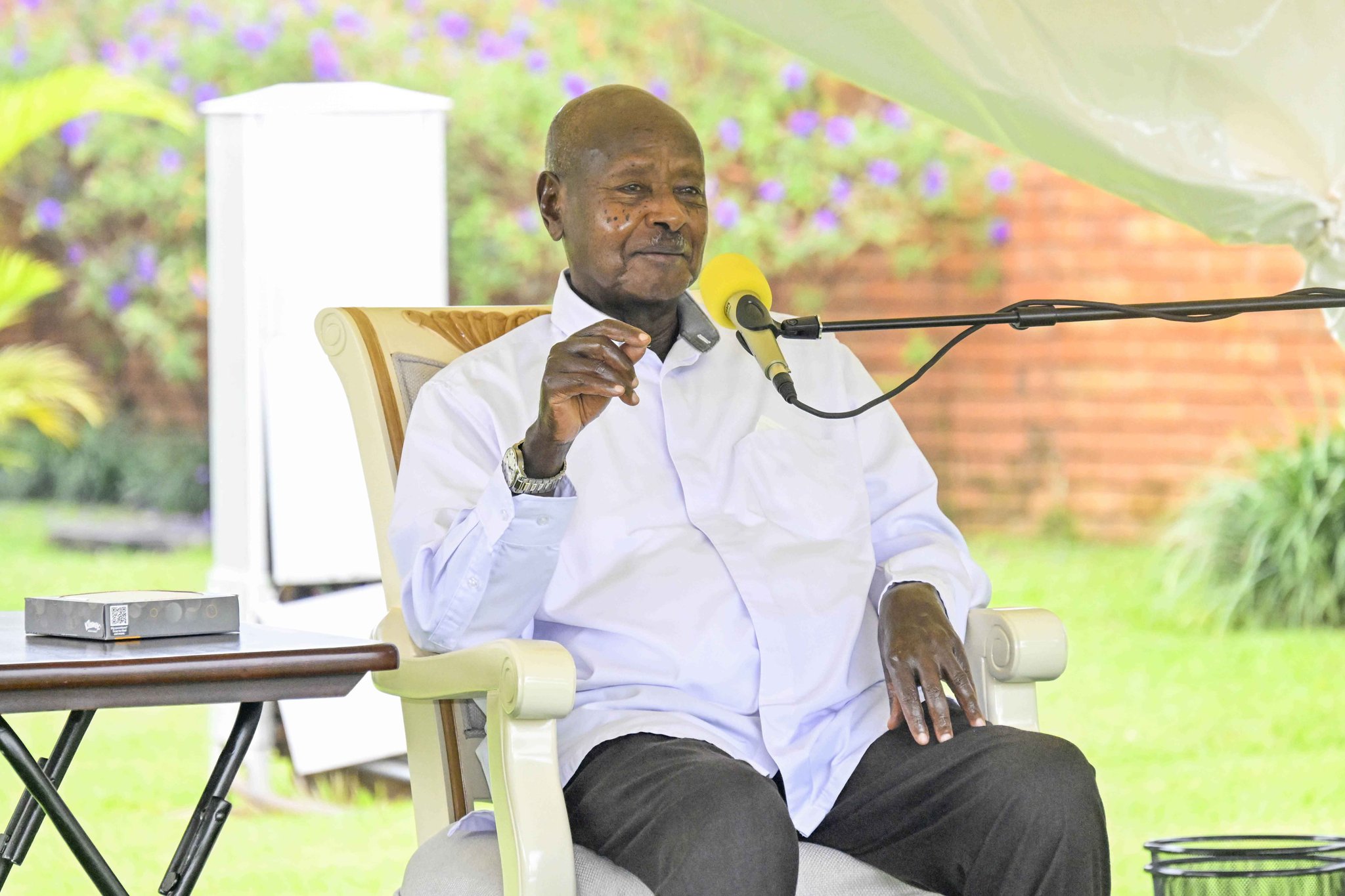
Museveni addressed concerns raised by Banyarwanda descendants who feel segregated when trying to secure national identity cards
By Kemigisha Shanitah
President Yoweri Kaguta Museveni’s latest directive on the registration and acquisition of citizenship by the Banyarwanda immigrant community marks a significant turning point in Uganda’s long, complex relationship with migration, identity, and belonging.
In a candid letter issued after meeting the Bavandimwe community on June 23, 2025, at State House Entebbe, Museveni addressed concerns raised by Banyarwanda descendants who feel segregated when trying to secure national identity cards. The president’s message was directed squarely at bureaucrats in the Ministry of Internal Affairs, the National Identification and Registration Authority (NIRA), and local government officials who, according to him, have mishandled this sensitive matter for too long.
At the heart of Museveni’s directive is an insistence that history must guide citizenship, not bureaucracy or prejudice. He reaffirmed that Banyarwanda who settled in Uganda before 1926 — when colonial borders were formally drawn — are Ugandan citizens by right, not by favor. Those who arrived before independence in 1962 also enjoy preferential treatment, exempt from any registration fees. For later immigrants, however, the president made it clear that citizenship comes at a cost — a registration fee must be paid.
His refusal to erase these distinctions may not sit well with everyone. Critics argue that such categorizations entrench divisions and could perpetuate discrimination. But Museveni, ever the pragmatist historian, insists they reflect Uganda’s true past. “Facts are facts,” he seemed to say — and rewriting them for convenience would only breed more distrust.
Notably, Museveni wants the process taken out of the hands of detached central government bureaucrats and returned to local communities. Local councils, respected elders, and community structures, he believes, are best placed to verify who genuinely belongs. Parish-level committees will now handle the first line of verification, while District Citizenship Verification Committees will settle any disputes. NIRA’s role will be limited to implementing these community decisions — including revoking identity cards that were fraudulently obtained.
But Museveni’s push for local verification is not without risk. Local politics and personal grudges can muddy the waters, potentially exposing some applicants to bias and manipulation. While community involvement might foster trust, it could also deepen existing fault lines if not handled transparently.
The president also made it clear that the process must be anchored in honesty. Any false declarations, he warned, will be treated as criminal offenses — a stern reminder that citizenship is not just a privilege but a matter of national security and integrity.
To drive the point home, Museveni shared a piece of his own family history: Yoramu Kabuteembe, one of his godparents, was himself a migrant from Rwanda. By doing so, he personalized what is often an abstract policy debate — a reminder that migration is woven into the fabric of Uganda’s story.
This directive is not just about paperwork; it is about reconciling a people’s identity with their legal status. For the Banyarwanda community, it offers hope that decades-old grievances of unfair treatment can finally be addressed. Yet, it also raises critical questions about the balance between historical truth, administrative fairness, and national cohesion.
If implemented faithfully, Museveni’s community-led approach could become a model for handling complex questions of citizenship across the region. But the real test lies ahead: Will local leaders uphold truth and fairness above personal or political interests? Will bureaucrats step back and trust communities to decide who belongs? And will this directive heal old wounds or open new ones?
Uganda’s history of migration, like its future, is layered and complex. Museveni’s message is clear: we cannot rewrite the past — but we can choose to honor it with truth, fairness, and respect for one another’s humanity.
Torch Media Africa



